Corporate Hotel Booking A Comprehensive Guide
Corporate hotel booking is a multifaceted process impacting businesses of all sizes. This guide delves into the strategies, technologies, and best practices for optimizing corporate travel programs, from negotiating favorable rates to enhancing traveler satisfaction. We’ll explore the key players in the market, the evolution of booking systems, and how data analytics can drive efficiency and cost savings.
We’ll cover everything from understanding the market’s size and growth to implementing cost-saving measures and improving the overall travel experience for your employees. Get ready to navigate the world of corporate hotel bookings with confidence and efficiency.
Understanding the Corporate Hotel Booking Market

Source: qloapps.com
The corporate hotel booking market is a significant and dynamic sector within the travel industry, characterized by substantial volume and consistent growth. Understanding its intricacies is crucial for businesses aiming to optimize travel expenses and enhance employee experiences. This section will delve into the key aspects of this market, providing insights into its size, key players, traveler types, and the comparison between different booking platforms.
Market Size and Growth Potential
The global corporate hotel booking market is vast and shows promising growth potential. While precise figures fluctuate based on economic conditions and global events, reports consistently indicate a multi-billion dollar market experiencing steady year-on-year growth, driven by factors such as increasing business travel, globalization, and the rise of technology-driven booking solutions. For example, the market’s expansion is fueled by the increasing number of multinational corporations expanding their operations globally, leading to a higher demand for business travel and accommodation. Growth is also predicted to continue as emerging economies further develop and integrate into the global business landscape.
Key Players and Market Share
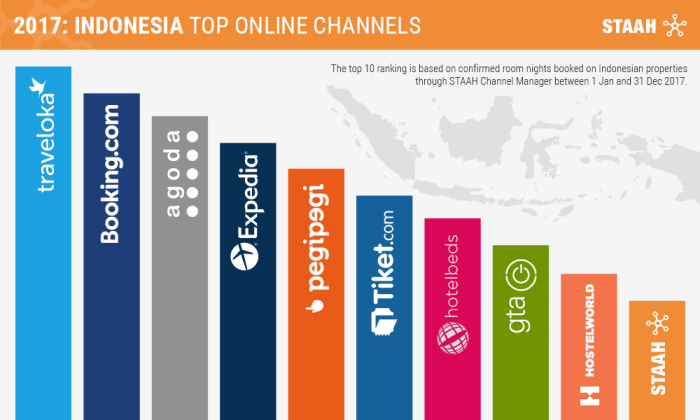
Several major players dominate the corporate hotel booking sector. These include large online travel agencies (OTAs) like Expedia and Booking.com, along with specialized corporate travel management companies (CTMCs) such as American Express Global Business Travel and BCD Travel. Precise market share figures are often proprietary and vary depending on the reporting source and methodology, but these entities consistently rank among the leading players, often commanding significant portions of the market. Smaller, niche players also exist, focusing on specific industries or geographic regions.
Corporate Traveler Types and Booking Preferences
Corporate travelers are diverse, and their booking preferences vary widely based on their roles, travel frequency, and company policies. We can broadly categorize them into:
- Road Warriors: Frequent travelers who prioritize efficiency and seamless booking processes. They often prefer user-friendly platforms with loyalty programs and flexible cancellation policies.
- Budget-Conscious Travelers: Employees who are mindful of expenses and seek cost-effective options. They may prioritize price over amenities and are likely to compare prices across multiple platforms.
- Luxury Travelers: Executives and high-level employees who often require premium accommodations and personalized service. They may prioritize comfort, location, and exclusive amenities over price.
These preferences directly influence the features and services that corporate booking platforms need to offer to remain competitive.
Online Travel Agencies (OTAs) vs. Corporate Travel Management Companies (CTMCs)
OTAs and CTMCs both cater to corporate hotel bookings but differ significantly in their approach and offerings. OTAs typically provide a broad range of hotel options and focus on ease of use and price comparison. CTMCs, on the other hand, offer a more comprehensive service, including travel policy compliance, negotiation of corporate rates, and 24/7 support. OTAs excel in self-service booking, while CTMCs provide a more managed and personalized approach, often tailored to the specific needs of larger corporations. The choice between an OTA and a CTMC often depends on the size and needs of the organization.
Comparison of Corporate Hotel Booking Platforms
| Feature | Platform A (e.g., CWT) | Platform B (e.g., Egencia) | Platform C (e.g., SAP Concur) |
|---|---|---|---|
| User Interface | Intuitive and user-friendly | Clean and efficient | Comprehensive but may require training |
| Hotel Selection | Wide range of options | Strong global coverage | Focus on negotiated rates with preferred partners |
| Reporting & Analytics | Detailed expense reports and travel data | Robust analytics dashboard | Integrated with broader expense management systems |
| Pricing | Competitive, varies based on volume and negotiated rates | Tiered pricing based on features and usage | Typically higher upfront cost but potentially lower overall expenses |
Booking Processes and Technologies

Source: rocketcdn.me
Corporate hotel booking involves more than just finding a room; it’s a process often involving multiple stakeholders, policies, and technologies to ensure efficiency and cost-effectiveness. Understanding these processes and the technology supporting them is crucial for both corporations and hotels.
Typical Steps in a Corporate Hotel Booking
The typical corporate hotel booking process usually follows a structured path. First, a travel request is submitted, often through a designated system or portal. Next, the request is reviewed and approved, considering factors like budget, travel policy, and availability. Once approved, the booking is made, either directly by the employee or a travel manager. Finally, confirmation details are sent, and the booking is managed, including potential modifications or cancellations. This process aims for transparency and control over corporate travel expenditure.
Technology’s Role in Streamlining Corporate Hotel Booking
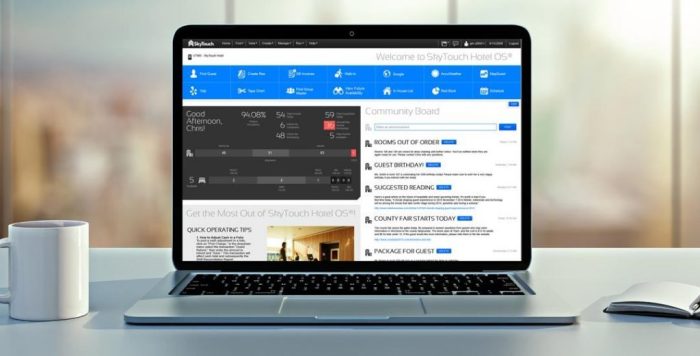
Technology plays a pivotal role in simplifying and accelerating the corporate hotel booking process. Online booking portals, mobile apps, and travel management systems (TMS) automate many manual tasks, from searching for available rooms and comparing prices to managing bookings and generating reports. These systems often integrate with corporate travel policies, ensuring compliance and preventing unauthorized bookings. Data analytics within these systems provide insights into travel spending patterns, enabling better budget management.
Benefits and Drawbacks of Different Booking Systems
Online portals offer centralized booking management, price comparisons, and easy access to booking history. However, they might lack personalized service and could be complex for infrequent users. Mobile apps offer convenience and accessibility, but they may have limited functionality compared to desktop portals. Direct booking with hotels might offer more flexibility but lacks the centralized management features of other systems. Choosing the right system depends on the size of the company and its specific travel needs. For instance, a small business might find a simple online portal sufficient, while a large multinational corporation would benefit from a comprehensive TMS.
Examples of Innovative Technologies in Corporate Hotel Booking
Artificial intelligence (AI) is increasingly used for personalized recommendations, predictive pricing, and automated customer service. Machine learning algorithms analyze booking data to anticipate future travel needs and optimize pricing strategies. Blockchain technology is explored for secure and transparent transaction processing. Virtual reality (VR) and augmented reality (AR) offer immersive hotel room previews, enhancing the booking experience. For example, Marriott International utilizes AI-powered chatbots for customer service and booking assistance. Hilton uses its app to offer contactless check-in and room key access.
Flowchart of a Typical Corporate Hotel Booking Process Using an Online Portal
Imagine a flowchart with distinct boxes connected by arrows.
Box 1: “Employee submits travel request via online portal,” connected to Box 2: “Request routed to approval workflow.” Box 2 connects to Box 3: “Approval/Rejection.” Box 3 has two arrows, one leading to Box 4: “Booking made through portal,” and the other leading to Box 5: “Request denied (reason provided).” Box 4 connects to Box 6: “Booking confirmation sent to employee and travel manager.” Box 6 connects to Box 7: “Booking management (modifications, cancellations).”
Cost Management and Savings Strategies

Source: aakashgroup.com
Smart corporate hotel booking isn’t just about finding a room; it’s about finding the best value for your money. This section dives into practical strategies for negotiating rates, tracking expenses, and ultimately saving your company significant funds on its hotel accommodations. Effective cost management in this area can significantly impact your company’s bottom line.
Negotiating Favorable Rates
Securing the best hotel rates requires a proactive and strategic approach. Leverage your company’s booking volume as a bargaining chip. Hotels are more likely to offer discounts to companies that guarantee a consistent stream of bookings throughout the year. Consider negotiating corporate rates that include perks like complimentary Wi-Fi, breakfast, or upgrades, adding extra value to the deal. Furthermore, booking well in advance allows hotels to better manage their inventory, often leading to more favorable pricing. Don’t be afraid to compare rates across multiple hotels and platforms to identify the best options. Finally, building strong relationships with hotel sales managers can lead to preferential treatment and potentially better rates over time.
Tracking and Analyzing Corporate Hotel Booking Expenses
Keeping tabs on hotel expenses is crucial for identifying trends and areas for improvement. Implementing a centralized booking system is the first step. This system should automatically track all bookings, associated costs (including taxes and incidental charges), and traveler information. Regularly analyze this data to pinpoint high-spending departments or individuals, identify peak booking periods, and compare costs across different hotels and locations. This data-driven approach will highlight areas where cost-saving measures can be implemented. For example, you might discover that consistently booking a specific hotel chain is significantly more expensive than others offering comparable amenities.
Implementing a Corporate Travel Policy
A comprehensive corporate travel policy is essential for controlling costs and ensuring consistent booking practices across the organization. The policy should Artikel preferred hotel chains or booking platforms, acceptable spending limits, and guidelines for booking and expense reporting. Clear guidelines regarding booking windows, acceptable room types, and allowable expenses reduce unnecessary spending and ensure compliance. A well-defined policy simplifies the booking process for employees and provides a framework for negotiating better rates with hotels. Furthermore, it creates accountability and helps prevent unauthorized spending.
Cost-Saving Opportunities in Corporate Hotel Bookings
Numerous opportunities exist to reduce hotel expenses. Consider negotiating volume discounts with preferred hotels, utilizing loyalty programs to accumulate points and rewards, and exploring alternative accommodations like serviced apartments for longer stays, which often offer better value for money. Off-peak booking, choosing hotels slightly further from the city center (but still conveniently located), and opting for simpler room types can also contribute to significant savings. Regularly reviewing and updating your hotel partnerships to ensure you are still receiving the best rates is crucial.
Best Practices for Optimizing Corporate Hotel Booking Costs
To maximize cost savings, consider these best practices:
- Centralize your booking process using a dedicated travel management company or software.
- Negotiate corporate rates with hotels based on your company’s booking volume.
- Implement a strict corporate travel policy and enforce it consistently.
- Regularly review and analyze booking data to identify cost-saving opportunities.
- Utilize loyalty programs and explore alternative accommodation options.
- Encourage employees to book in advance and consider off-peak travel.
- Compare rates across multiple platforms before making a booking.
Traveler Experience and Satisfaction: Corporate Hotel Booking
Source: staah.com
Happy travelers mean repeat business and positive word-of-mouth for your company. A positive experience directly impacts employee productivity and overall satisfaction with the corporate travel program. Focusing on the traveler’s journey from booking to checkout is crucial for a successful corporate hotel booking strategy.
Several factors contribute to a corporate traveler’s satisfaction with their hotel stay. These range from the ease of booking and the quality of the accommodation to the level of service received and the overall value for money. A seamless and convenient booking process is paramount, reducing stress and allowing travelers to focus on their business objectives. Conversely, a frustrating booking experience can negatively impact their work and overall morale.
Factors Influencing Traveler Satisfaction
Traveler satisfaction is a multifaceted issue. Key factors include the hotel’s location and accessibility, the quality of the room and amenities (think comfortable beds, reliable Wi-Fi, and good in-room technology), the efficiency and friendliness of the hotel staff, and the overall value for the price paid. Cleanliness and safety are also paramount considerations for all travelers, especially those traveling for business. Negative experiences, such as unexpected fees, issues with the booking, or problems with the room itself, significantly impact satisfaction.
Importance of a Seamless Booking Experience
A smooth booking process directly correlates with increased traveler satisfaction. Imagine a traveler struggling with a complicated online booking system, encountering technical glitches, or facing difficulties with corporate rate codes. This negative experience sets the tone for their entire trip. Conversely, a simple, intuitive booking system with clear instructions and readily available support fosters a positive first impression and reduces pre-trip stress. This ease of booking saves the traveler time and reduces frustration, enabling them to focus on the purpose of their trip.
Improving the Overall Experience for Corporate Travelers, Corporate hotel booking
Hotels can significantly improve the corporate traveler experience by offering dedicated corporate booking channels, providing clear and concise information about rates and policies, and ensuring prompt and efficient communication. Proactive communication regarding flight delays or changes, offering pre-arrival check-in options, and providing personalized services (such as arranging airport transfers or catering to specific dietary needs) can greatly enhance the experience. Loyalty programs tailored to corporate travelers and providing convenient amenities like late check-out options or access to business facilities are also valuable additions.
Challenges in Managing the Traveler Experience
Managing the corporate traveler experience presents several challenges. Maintaining consistent service levels across multiple hotels and locations is crucial but difficult. Dealing with unexpected issues, such as overbookings or room problems, requires quick and effective solutions to minimize disruption to the traveler’s schedule. Gathering and analyzing feedback effectively to identify areas for improvement is also essential but often requires dedicated resources and systems.
Recommendations for Enhancing the Corporate Traveler Experience
To create a truly exceptional experience, hotels and travel management companies should prioritize the following:
- Implement user-friendly online booking platforms with robust search filters and clear corporate rate displays.
- Offer 24/7 customer support channels for addressing booking issues and providing assistance.
- Provide personalized service based on past bookings and traveler preferences, such as preferred room types or amenities.
- Ensure consistent service standards across all hotels and locations involved in the corporate program.
- Develop proactive communication strategies to address potential travel disruptions and offer alternative solutions.
- Invest in technology that streamlines the booking process and provides travelers with real-time updates and information.
- Actively solicit and analyze traveler feedback to identify areas for improvement and address concerns promptly.
Data Analysis and Reporting

Source: revfine.com
Data analysis is crucial for optimizing your corporate hotel booking strategy. By leveraging the wealth of information generated through bookings, you can identify trends, improve efficiency, and ultimately save money. This section will explore how data analysis helps refine your approach, highlighting key performance indicators (KPIs), the importance of regular reporting, and providing examples of its impact.
Data Analytics for Optimization
Data analytics allows you to move beyond simply tracking bookings. It provides the insights necessary to understand *why* certain patterns emerge. For example, analyzing booking data might reveal that a specific hotel consistently receives higher-than-average ratings from your travelers, or that booking certain hotels during peak seasons results in significantly higher costs. This information empowers you to make informed decisions about preferred hotels, negotiate better rates, and optimize your travel policy. Analyzing data can also reveal patterns in travel frequency, preferred locations, and even the length of stays, allowing for more proactive and effective planning.
Key Performance Indicators (KPIs) for Corporate Hotel Booking Programs
Several key performance indicators are vital for assessing the effectiveness of your corporate hotel booking program. These KPIs provide a clear picture of your program’s success and identify areas for improvement.
- Average Daily Rate (ADR): This metric tracks the average cost per night for hotel rooms booked through your program. Lower ADR indicates better cost management.
- Total Cost of Travel: This encompasses all hotel-related expenses, including room rates, taxes, and incidental charges. Tracking this KPI helps you understand your overall spending.
- Booking Compliance Rate: This measures the percentage of employees who use your designated booking platform. A higher rate suggests better program adoption and control.
- Traveler Satisfaction: Measured through surveys or feedback forms, this KPI indicates how happy your employees are with their hotel accommodations and the booking process. High satisfaction translates to increased productivity and employee morale.
- Hotel Negotiated Rate Compliance: This tracks the percentage of bookings that utilize pre-negotiated corporate rates, showing the effectiveness of your rate negotiation strategies.
Regular monitoring of these KPIs is essential for identifying trends and making necessary adjustments to your strategy.
The Importance of Regular Reporting and Analysis
Regular reporting and analysis are not simply about compiling numbers; they are about understanding the story those numbers tell. Consistent review of your hotel booking data allows for proactive adjustments to your strategy. For example, if you notice a consistent increase in ADR for a particular location, you can renegotiate rates with hotels or explore alternative accommodations. Regular reporting also allows for early identification of problems, such as a decrease in traveler satisfaction, which can be addressed before they significantly impact your program’s effectiveness. Ideally, reports should be generated monthly, allowing for timely intervention and adjustments.
Examples of Data Analysis Leading to Cost Savings and Improved Traveler Satisfaction
Imagine a scenario where data analysis reveals that a significant portion of your travel budget is spent on last-minute bookings due to poor planning. By implementing a policy that encourages employees to book well in advance, and providing them with tools and training to do so, you can significantly reduce your overall travel costs. Similarly, if analysis reveals consistently low satisfaction ratings for a particular hotel chain, you can switch to alternative providers that better meet your employees’ needs, leading to improved morale and productivity.
Creating a Simple Report Summarizing Key Metrics
A simple report should focus on the key KPIs and present them in a clear, concise manner. Here’s an example:
Metric Month 1 Month 2 Month 3 Average Daily Rate (ADR) $150 $145 $140 Total Cost of Travel $15,000 $14,000 $13,500 Booking Compliance Rate 85% 88% 90% Traveler Satisfaction Score (out of 5) 4.2 4.3 4.5
This simple table provides a clear overview of key performance indicators over a three-month period, enabling quick identification of trends and areas needing attention. More complex reports might include additional metrics and more detailed breakdowns.
Conclusion

Source: etimg.com
Mastering corporate hotel booking requires a strategic approach that blends negotiation skills, technological savvy, and a keen understanding of traveler needs. By implementing the strategies and best practices Artikeld in this guide, businesses can streamline their booking processes, reduce costs, and cultivate a positive travel experience for their employees. Ultimately, effective corporate hotel booking translates to increased efficiency, improved employee satisfaction, and a stronger bottom line.