Atlas Hotels A Brand Strategy Guide
Atlas Hotels, a name evoking strength and global reach, presents a compelling opportunity for growth and success. This guide delves into a comprehensive brand strategy, encompassing everything from logo design and brand voice to marketing campaigns and customer service. We’ll explore competitor analysis, target audience identification, and the development of a robust online presence, ensuring Atlas Hotels stands out in a competitive market. We’ll also examine crucial elements like sustainable practices and a customer loyalty program, creating a holistic approach to brand building.
From crafting a captivating brand story to implementing effective sales strategies, this document provides a practical roadmap for Atlas Hotels to achieve its business objectives. It’s designed to be both informative and actionable, equipping the team with the tools and insights needed to build a thriving and sustainable hospitality brand.
Atlas Hotels Brand Identity
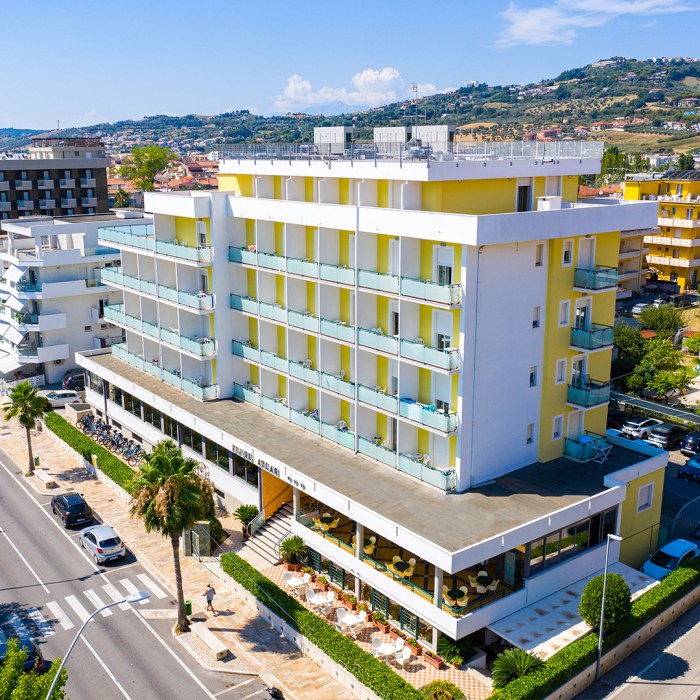
Source: hotelatlas.it
Establishing a strong brand identity for Atlas Hotels is crucial for attracting the right clientele and fostering brand loyalty. This involves crafting a memorable logo, defining a consistent brand voice, and developing a compelling brand story that resonates with the target audience. This section Artikels the key components of this brand identity strategy.
Logo Concept
The Atlas Hotels logo should visually represent strength, reliability, and the spirit of travel. One concept could feature a stylized image of Atlas, the Greek god, holding the world aloft, but with a modern, minimalist design. The globe could be subtly incorporated into the “A” of “Atlas,” creating a clean and sophisticated look. The color palette should be sophisticated and calming, perhaps using deep blues and greens to evoke a sense of stability and the natural world, accented with a metallic gold or bronze for a touch of luxury and reliability. The font should be clean, modern, and easily legible, reflecting a sense of professionalism and trust. The overall impression should be one of sophisticated strength and global reach.
Brand Voice Guide
The Atlas Hotels brand voice should be sophisticated, confident, and welcoming. Across all platforms (website, social media, marketing materials), the tone should be informative and helpful, but never overly formal or stiff. The style should be friendly and approachable, using clear and concise language that avoids jargon. Messaging should focus on the unique experiences and personalized service offered by Atlas Hotels, highlighting the value proposition for discerning travelers. Examples of messaging could include phrases like: “Your journey, our priority,” “Experience the world, effortlessly,” or “Unwind and reconnect in luxurious comfort.” Consistency in tone and messaging across all platforms is key to building a cohesive brand identity.
Brand Story
The Atlas Hotels brand story should focus on its commitment to providing exceptional travel experiences for discerning travelers who value personalized service, comfort, and unique destinations. The narrative could highlight the hotel chain’s dedication to sustainability, local partnerships, and enriching cultural immersion. It should showcase the passion and expertise of the team, underscoring the commitment to exceeding guest expectations. For example, the story could detail the origin of the hotel chain, emphasizing its founding principles and evolution. It could also feature testimonials from satisfied guests or highlight unique partnerships with local artisans and businesses. The target audience is the affluent, experience-seeking traveler who values quality, comfort, and authentic experiences.
Competitor Analysis of Atlas Hotels
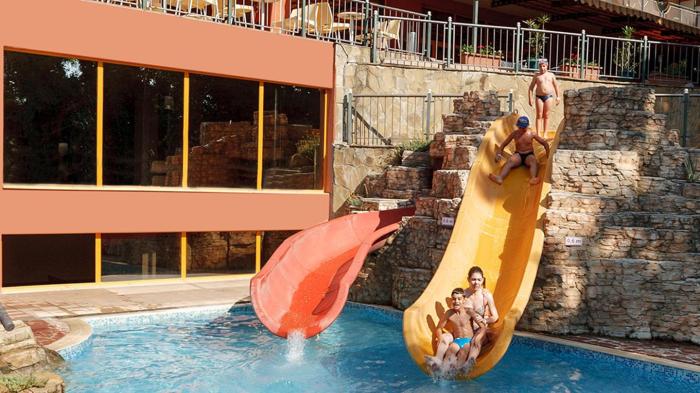
Source: atlashotel.bg
This analysis compares Atlas Hotels to three major competitors—Hotel Zenith, Grandiose Inns, and StayWell Suites—across service, pricing, and location to identify Atlas’s unique market positioning and potential differentiation strategies. We’ll examine their strengths and weaknesses to pinpoint opportunities for Atlas to improve its competitive edge.
Service Comparison
This section details the service offerings of Atlas Hotels and its competitors, highlighting key differences in guest experience. Hotel Zenith boasts a renowned, highly personalized concierge service, while Grandiose Inns focuses on upscale amenities like extensive spa facilities. StayWell Suites emphasizes efficiency and convenience, with a streamlined online booking and check-in process. Atlas Hotels, in contrast, could strengthen its service offerings by focusing on a specific niche, such as eco-tourism or wellness retreats, thereby catering to a more targeted audience and building a stronger brand identity.
Pricing Strategies
Atlas Hotels’ pricing strategy needs careful consideration in relation to its competitors. Hotel Zenith generally operates in the luxury price bracket, attracting high-spending clientele. Grandiose Inns offers mid-range pricing with a focus on value for money. StayWell Suites competes in the budget-friendly sector, targeting price-sensitive travelers. A successful pricing strategy for Atlas could involve strategic price adjustments based on seasonality, demand, and the specific services offered, ensuring competitive pricing without compromising brand image or profitability. For example, Atlas could offer discounted packages during off-peak seasons or bundle services to create attractive offers.
Location Analysis
The geographical location significantly impacts a hotel’s success. Hotel Zenith is situated in a prime downtown location with easy access to major attractions and business districts. Grandiose Inns typically occupies suburban locations offering more tranquil settings and spacious accommodations. StayWell Suites prioritizes locations near transportation hubs and business parks. Atlas Hotels needs to analyze its location’s strengths and weaknesses in relation to these competitors. If its location is less central, it could leverage online marketing to highlight unique local attractions or provide convenient shuttle services to compensate.
Unique Market Positioning
Atlas Hotels can differentiate itself by focusing on a specific underserved niche within the hospitality market. Instead of directly competing with established brands across all segments, a targeted approach, such as specializing in sustainable tourism or offering unique cultural experiences, can build a strong brand reputation and attract loyal customers. This approach leverages a unique selling proposition (USP) that competitors might find difficult to replicate. For instance, a focus on sustainable practices, locally sourced food, and eco-friendly amenities could appeal to environmentally conscious travelers.
Differentiation Strategies
To stand out from the competition, Atlas Hotels should explore various differentiation strategies. These include enhancing its online presence through targeted digital marketing campaigns, improving customer service through personalized interactions and loyalty programs, and creating unique experiences through themed packages or partnerships with local businesses. Investing in staff training to enhance service quality and building strong relationships with local communities to offer authentic experiences would also significantly enhance its market standing.
Atlas Hotels Target Audience
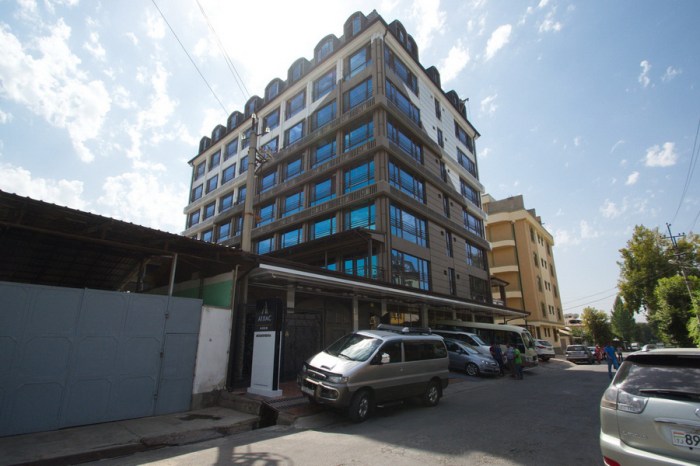
Source: advantour.com
Understanding our target audience is crucial for Atlas Hotels’ success. By identifying specific customer personas, we can tailor our marketing efforts and create a more personalized and effective guest experience. This allows for efficient resource allocation and maximizes return on investment.
We’ve identified three primary customer personas for Atlas Hotels, each with distinct characteristics and needs.
Customer Persona 1: The Business Traveler
This persona typically consists of professionals aged 30-55, with a higher-than-average disposable income. They frequently travel for work, prioritizing convenience, efficiency, and reliable Wi-Fi. Their travel motivations are primarily business-related, focusing on productivity and successful meetings. They value quick check-in/check-out processes, well-equipped business centers, and readily available transportation links to airports and business districts. They often book trips last minute and may be less price-sensitive than leisure travelers.
Marketing Strategies for Business Travelers
Marketing efforts should focus on highlighting Atlas Hotels’ business-centric amenities. This includes emphasizing high-speed internet access, comfortable workspaces, and convenient locations near business districts or transportation hubs. Strategic partnerships with corporate travel agencies and online booking platforms frequented by business travelers are essential. Targeted advertising on professional networking sites and business publications will also be highly effective. Loyalty programs offering benefits such as complimentary upgrades or priority check-in could further incentivize repeat bookings.
Customer Persona 2: The Leisure Traveler (Family)
This persona typically includes families with children, aged 35-50, with a moderate to high disposable income. They prioritize family-friendly amenities, such as spacious rooms, kids’ clubs, and on-site recreational activities. Their travel motivations center around creating memorable family experiences and quality time together. They often plan their trips in advance and may be more price-sensitive, looking for value-added packages and deals.
Marketing Strategies for Leisure Travelers (Families)
Marketing campaigns should showcase Atlas Hotels’ family-friendly features, using imagery and messaging that appeals to parents. Highlighting activities like kids’ clubs, swimming pools, and family-friendly dining options is key. Collaborations with family-oriented travel bloggers and influencers can extend reach. Promoting special family packages, including discounts on children’s stays or complimentary activities, will be attractive to this segment. Targeted advertising on family-focused websites and social media platforms is essential.
Customer Persona 3: The Solo Adventurer
This persona typically consists of individuals aged 25-40, with a moderate disposable income. They prioritize unique experiences, local culture, and opportunities for exploration. Their travel motivations are driven by a desire for personal growth, discovery, and independence. They value convenient locations near attractions, friendly and helpful staff, and opportunities to connect with local communities. They are often comfortable with budget-friendly options but value quality and authenticity.
Marketing Strategies for Solo Adventurers
Marketing should focus on showcasing Atlas Hotels’ unique location and local experiences. Highlighting partnerships with local tour operators and highlighting nearby attractions and cultural experiences is essential. Using imagery and storytelling that emphasizes adventure and exploration will resonate with this audience. Promoting deals and packages that cater to solo travelers, such as discounts on single occupancy or curated local experiences, will attract this segment. Targeted advertising on travel blogs and social media platforms frequented by solo adventurers is also crucial.
Ideal Customer Journey
The ideal customer journey begins with online research, where potential guests discover Atlas Hotels through targeted advertising, online travel agencies, or social media. The booking process should be seamless and user-friendly, with clear pricing and easy-to-understand terms and conditions. Upon arrival, guests should experience a warm welcome and efficient check-in. Throughout their stay, guests should receive exceptional service and have access to all amenities. The checkout process should be equally smooth and efficient, leaving guests with a positive overall impression. Post-stay, Atlas Hotels should actively solicit feedback to improve future experiences and foster customer loyalty.
Atlas Hotels Online Presence
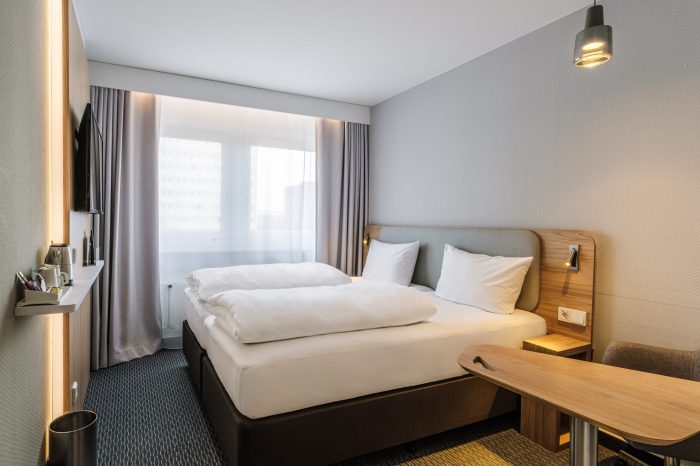
Source: co.uk
A strong online presence is crucial for Atlas Hotels to attract guests, manage bookings, and build brand loyalty in today’s digital landscape. This involves a well-designed website, active social media engagement, and a robust search engine optimization () strategy. Let’s explore how Atlas Hotels can achieve this.
Website Structure
A user-friendly website is essential for a positive guest experience. The following table Artikels a suggested website structure, designed for intuitive navigation and easy access to key information. This structure prioritizes responsiveness, ensuring a seamless experience across all devices.
| Column 1 | Column 2 | Column 3 | Column 4 |
|---|---|---|---|
| Homepage Hero image showcasing hotel features, booking button, brief hotel overview |
Accommodation Detailed descriptions of rooms and suites, high-quality images, booking options |
Amenities & Services Spa, fitness center, restaurants, pools, meeting rooms, etc. with detailed descriptions and images |
About Us Hotel history, mission, values, team, awards, contact information |
| Destinations Information about the location of the hotel, local attractions, activities, and transportation options |
Gallery High-quality photos and videos showcasing hotel facilities, rooms, and surrounding areas |
Special Offers Current promotions, packages, and discounts |
Contact Us Contact form, phone number, email address, address, map |
| Blog Travel tips, hotel news, local events, guest stories |
FAQ Frequently asked questions about the hotel, booking process, and policies |
Careers Job openings at the hotel |
Privacy Policy Legal information regarding data privacy |
Engaging Social Media Content
Social media is a powerful tool for showcasing Atlas Hotels’ unique selling points and building brand awareness. Engaging content should focus on visual storytelling and highlight the hotel experience.
Examples of engaging social media posts:
- High-quality photos and videos of hotel amenities, such as the swimming pool, spa, and restaurant, with captivating captions highlighting the experience.
- Behind-the-scenes glimpses into the hotel’s operations, showcasing the dedication and professionalism of the staff.
- User-generated content: Reposting guest photos and reviews to build social proof and encourage engagement.
- Run contests and giveaways to increase engagement and brand awareness. For example, a contest offering a free weekend stay.
- Interactive stories and polls on Instagram and Facebook to engage followers and gather feedback.
- Collaborate with travel influencers to promote the hotel and its amenities to a wider audience. For example, a partnership with a luxury travel blogger could result in increased brand visibility and bookings.
Search Engine Optimization () Strategy
is crucial for improving Atlas Hotels’ online visibility. A comprehensive strategy should include:
Key elements of a successful strategy:
- Research: Identify relevant s related to the hotel’s location, amenities, and target audience (e.g., “luxury hotel near beach,” “family-friendly resort,” “business hotel with meeting rooms”).
- On-Page Optimization: Optimize website content, including meta descriptions, title tags, and header tags, with relevant s. Ensure all images have descriptive alt text.
- Off-Page Optimization: Build high-quality backlinks from reputable websites and directories. This could include partnerships with travel agencies or guest reviews on sites like TripAdvisor.
- Local : Optimize Google My Business profile with accurate information, high-quality photos, and consistent NAP (Name, Address, Phone number) data across all online platforms. This is particularly important for attracting local customers.
- Technical : Ensure website is mobile-friendly, loads quickly, and is easily crawlable by search engines. Regular website audits are crucial for identifying and fixing technical issues.
Atlas Hotels Services and Amenities
Source: atlassudak.com
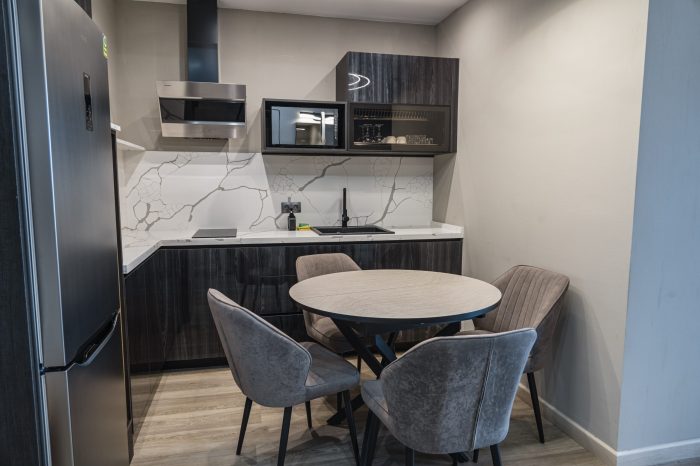
Atlas Hotels strives to provide a comprehensive and luxurious experience for all guests. Our services and amenities are designed to cater to a wide range of needs and preferences, ensuring a memorable stay for every traveler. We focus on exceeding expectations by offering a blend of comfort, convenience, and unique experiences.
Room Types and Accommodations
We offer a variety of room types to suit different needs and budgets. From cozy standard rooms perfect for solo travelers to spacious suites ideal for families or extended stays, we have something for everyone. Our rooms are meticulously designed with comfort in mind, featuring plush bedding, modern amenities, and thoughtful details. Specific room types include: Standard Rooms, Deluxe Rooms, Suites (various sizes and configurations), Accessible Rooms. Each room type offers varying levels of space, amenities, and views.
Dining Options
Atlas Hotels provides exceptional dining experiences. Our commitment to culinary excellence is evident in the diverse range of options available to our guests. From casual café-style dining to elegant fine dining, we cater to a wide range of tastes and preferences. Our culinary team uses fresh, locally sourced ingredients whenever possible to create dishes that are both delicious and visually appealing. Dining options include: The Grand Restaurant (fine dining), The Bistro (casual dining), The Coffee Shop (breakfast, lunch, and light snacks), In-room dining service (available 24/7).
Recreational Activities and Amenities
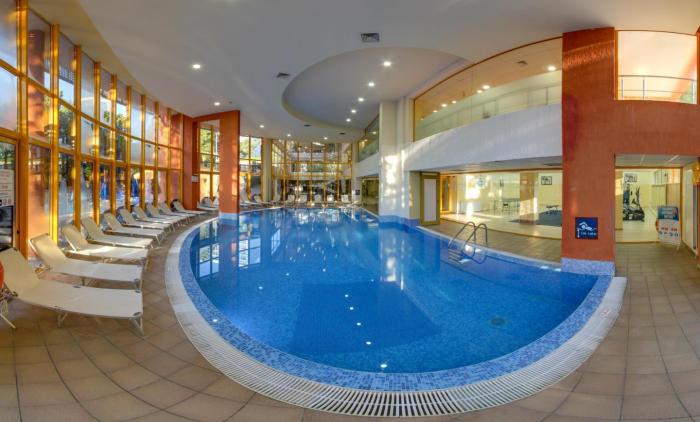
We offer a variety of recreational activities and amenities to enhance your stay. These options are designed to cater to both relaxation and activity, providing a holistic experience for our guests. We believe in providing opportunities for guests to unwind and rejuvenate during their stay. Key recreational amenities include: A state-of-the-art fitness center with a wide range of equipment, A luxurious spa offering a variety of treatments and massages, An outdoor swimming pool with comfortable sun loungers, A business center with meeting rooms and high-speed internet access, Complimentary Wi-Fi throughout the hotel.
Promotional Brochure Highlights
Our promotional brochure would showcase five key amenities:
- The Grand Restaurant: A description highlighting the exquisite ambiance, award-winning chef, and locally-sourced menu, emphasizing the fine dining experience.
- The Serenity Spa: An image depicting a tranquil spa setting, coupled with a description of signature treatments and the use of high-quality products for ultimate relaxation.
- Infinity Pool with Ocean Views: A visually stunning image of the infinity pool overlooking the ocean, accompanied by a description of the breathtaking views and the opportunity for relaxation and rejuvenation.
- Personalized Concierge Service: A description emphasizing the personalized attention provided by our concierge team, highlighting their ability to arrange tours, book reservations, and cater to individual guest needs.
- High-Speed Wi-Fi and Business Center: A description highlighting the seamless connectivity and the availability of a dedicated business center for guests needing to work during their stay.
Atlas Hotels Loyalty Program
Our loyalty program, “Atlas Rewards,” aims to reward our valued guests for their repeat business. Members will earn points for every stay, which can be redeemed for free nights, upgrades, spa treatments, or dining credits. The program will also include exclusive member benefits, such as early check-in/late check-out options, priority access to amenities, and special offers on packages. Tiered levels will be introduced, offering increasing benefits as members accumulate points and achieve higher tiers. This program will be promoted through email marketing, social media, and on our website. Example: A guest who stays 10 nights earns a free night, while a platinum member receives a complimentary spa treatment.
Atlas Hotels Marketing and Sales
Source: theloft.co
Successfully marketing and selling Atlas Hotels requires a multi-pronged approach focusing on the right audience, compelling messaging, and effective sales strategies. This section details a sample marketing campaign, promotional materials, and sales tactics to boost bookings and revenue.
Our strategy hinges on attracting the discerning traveler seeking unique experiences and personalized service. We will target a specific demographic – young professionals aged 25-40, with disposable income and a penchant for exploring new destinations and experiencing local culture.
Marketing Campaign: “Uncover Your Atlas”
This campaign targets young professionals, emphasizing unique experiences and personalized service. The central theme is “Uncover Your Atlas,” implying a journey of discovery both literally and metaphorically. The campaign will run for three months, utilizing digital marketing, social media engagement, and email marketing. A special offer – a 20% discount on stays of three nights or more – will incentivize bookings.
Promotional Materials Examples, Atlas hotels
Compelling promotional materials are crucial for attracting and converting potential guests. Here are examples:
Email Newsletter: The subject line could be “Uncover Your Atlas: 20% Off Your Next Adventure!” The email would feature high-quality images of Atlas Hotels’ unique locations and amenities, highlighting the personalized service. It would include a clear call to action, linking directly to the booking page with the discount code applied. A brief, engaging story about a recent guest’s positive experience could also be included. The email design would be clean, modern, and visually appealing, consistent with the Atlas Hotels brand identity.
Advertisement: A visually stunning advertisement featuring a breathtaking view from one of Atlas Hotels’ locations would be used on social media platforms like Instagram and Facebook. The ad copy would be concise and impactful, focusing on the unique experience offered by Atlas Hotels and the 20% discount. A strong call to action, “Book Now and Uncover Your Atlas,” would direct users to the booking page. The ad would utilize targeted advertising to reach the desired demographic of young professionals.
Sales Strategy
Increasing bookings and revenue requires a structured sales strategy. This involves several key tactics:
Dynamic Pricing: Implementing a dynamic pricing model that adjusts prices based on demand and seasonality will maximize revenue. This involves analyzing historical data and market trends to optimize pricing strategies. For example, prices could be higher during peak seasons and lower during off-peak seasons. This approach requires using a robust revenue management system.
Partnerships: Collaborating with travel agencies, airlines, and other businesses targeting the same demographic can expand reach and increase brand visibility. This could involve joint marketing campaigns, referral programs, or package deals.
Loyalty Program: Implementing a loyalty program rewards repeat customers and encourages future bookings. This could involve offering exclusive discounts, free upgrades, or other perks to loyal guests. This fosters customer retention and increases revenue in the long run.
Customer Relationship Management (CRM): Utilizing a CRM system allows for personalized communication and targeted marketing efforts. This ensures that each customer receives relevant information about special offers and promotions, tailored to their individual preferences and past booking history. This personalized approach enhances customer satisfaction and loyalty.
Atlas Hotels Customer Service
Source: hwstatic.com
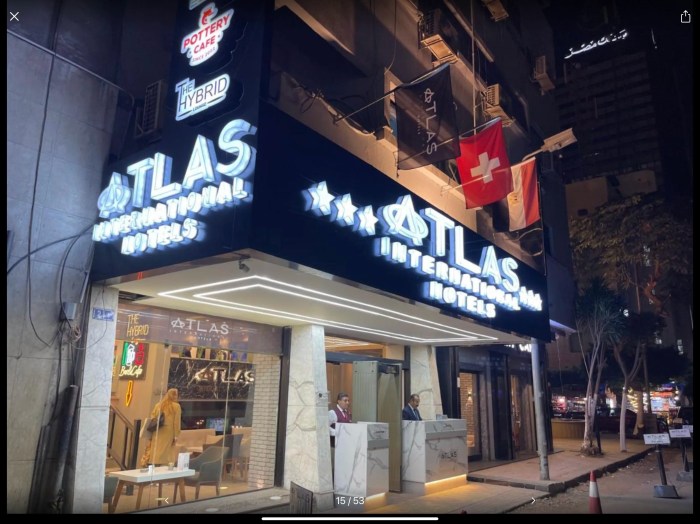
Exceptional customer service is the cornerstone of a thriving hospitality business. At Atlas Hotels, we aim to not just meet, but exceed guest expectations, fostering loyalty and positive word-of-mouth referrals. This requires a well-defined training program and a proactive approach to addressing both positive and negative interactions.
Customer Service Training Program Design
The Atlas Hotels customer service training program will be a multi-faceted approach incorporating both theoretical knowledge and practical application. It will cover modules on communication skills (active listening, empathetic responses, clear and concise language), problem-solving techniques (identifying guest needs, offering creative solutions, escalating issues appropriately), and Atlas Hotels’ specific policies and procedures. Role-playing scenarios will simulate real-life interactions, allowing trainees to practice handling various situations, from simple requests to complex complaints. Regular refresher training will ensure consistent service standards are maintained. The program will also emphasize the importance of anticipating guest needs and proactively addressing potential issues before they arise, such as offering assistance with luggage or providing information about local attractions.
Examples of Positive and Negative Customer Service Interactions
A positive interaction might involve a guest complimenting the cleanliness of their room and the friendliness of a staff member who went above and beyond to help them find a local restaurant. This staff member actively listened to the guest’s preferences, offered specific recommendations, and even made a reservation. A negative interaction might involve a guest experiencing a long wait at check-in due to understaffing, followed by a dismissive response from a staff member when the guest voiced their frustration. This staff member failed to apologize for the inconvenience or offer a solution. Improving negative interactions requires empowering staff to handle situations effectively, providing adequate staffing levels, and implementing systems for efficient check-in/check-out processes. Regular feedback mechanisms and staff training on conflict resolution are crucial.
Handling Customer Complaints Effectively and Efficiently
Effective complaint handling involves a three-step process: Acknowledge, Address, and Resolve. First, acknowledge the guest’s complaint with empathy and understanding. Avoid interrupting or becoming defensive. Second, address the issue by actively listening to understand the guest’s perspective and gathering all necessary information. Third, resolve the issue by offering a sincere apology, proposing a suitable solution (e.g., a discount, upgrade, or complimentary service), and following up to ensure guest satisfaction. For instance, if a guest complains about a malfunctioning appliance, the staff should immediately apologize, arrange for repair or replacement, and perhaps offer a complimentary drink or snack as a gesture of goodwill. Documentation of all complaints and resolutions is crucial for continuous improvement and tracking performance. A well-defined escalation process should be in place for complaints that cannot be resolved at the front-line level.
Atlas Hotels Sustainability Initiatives
Source: travelapi.com
Atlas Hotels is committed to minimizing its environmental impact and fostering a sustainable future. Our sustainability plan focuses on practical, measurable steps across various hotel operations, aiming for continuous improvement and transparency. We believe that responsible tourism is not just a trend, but a necessity for the long-term health of our planet and our business.
Our sustainability initiatives are built on three core pillars: reducing our environmental footprint, supporting local communities, and promoting responsible guest behavior. This integrated approach ensures that our commitment to sustainability is woven into the fabric of our operations, impacting everything from energy consumption to waste management.
Environmental Footprint Reduction
Atlas Hotels aims to significantly reduce its carbon footprint through a variety of strategies. This includes investing in energy-efficient technologies such as LED lighting, smart thermostats, and high-efficiency HVAC systems. We are also exploring the use of renewable energy sources, such as solar panels, where feasible. Water conservation is another key focus, with initiatives like low-flow showerheads, water-saving toilets, and rainwater harvesting systems being implemented across our properties. Furthermore, we are committed to reducing waste through comprehensive recycling programs and minimizing single-use plastics. Our goal is to continuously monitor and reduce our energy and water consumption per guest night, setting ambitious targets and regularly reporting our progress.
Community Engagement and Support
Supporting the local communities where our hotels operate is integral to our sustainability vision. We prioritize sourcing locally produced food and beverages for our restaurants and catering services, reducing transportation emissions and supporting local farmers and businesses. We also actively engage with local organizations and charities, contributing time, resources, and funding to initiatives that benefit the environment and the community. This includes partnerships with local conservation groups and participation in community clean-up projects. Our aim is to create a positive and mutually beneficial relationship with the communities we serve.
Guest Engagement and Education
Encouraging sustainable practices among our guests is crucial to achieving our goals. We plan to communicate our sustainability initiatives clearly and engagingly through various channels, including our website, in-room brochures, and pre-arrival emails. We will highlight eco-friendly options available to guests, such as reusable water bottles, linen reuse programs, and opportunities to participate in local conservation efforts. Guest feedback will be actively solicited and incorporated into our ongoing sustainability improvements. We aim to empower our guests to make conscious choices that minimize their environmental impact during their stay.
Visual Representation of Atlas Hotels’ Sustainability Commitment
Imagine a logo incorporating a stylized green leaf interwoven with the Atlas Hotels logo. This leaf, vibrant and subtly textured, represents growth and environmental consciousness. The color palette for all sustainability-related materials would be earth tones—greens, browns, and a muted blue—evoking a sense of natural harmony. Marketing materials would feature images depicting sustainable practices in action—hotel staff tending a rooftop garden, guests using reusable water bottles, and the hotel’s solar panels gleaming in the sun. The overall aesthetic would be clean, modern, and inviting, conveying a message of responsible luxury. This visual identity would consistently reinforce our commitment across all communication platforms.
Communicating Sustainability Efforts
Atlas Hotels will communicate its sustainability initiatives through multiple channels. Our website will feature a dedicated sustainability section detailing our practices and progress. In-room brochures will provide guests with information on eco-friendly options and encourage participation. Social media will be used to share updates, highlight successes, and engage with guests and the public on sustainability-related topics. Press releases and partnerships with environmental organizations will further amplify our message. Regular sustainability reports will provide transparency and accountability, showcasing our achievements and areas for improvement. We aim to foster open communication and build trust with our stakeholders by demonstrating our genuine commitment to environmental responsibility.
Final Review
Source: atlashotel.bg
Ultimately, success for Atlas Hotels hinges on a cohesive strategy that marries strong branding with exceptional customer service. By focusing on a clearly defined target audience, leveraging digital marketing effectively, and prioritizing sustainability, Atlas Hotels can carve a unique niche in the hospitality industry. This guide serves as a foundation for continued growth, ensuring Atlas Hotels not only meets but exceeds guest expectations, ultimately fostering long-term brand loyalty and profitability.