Best Hotel Website Design & Success
Best hotel website design isn’t just about pretty pictures; it’s about converting browsers into bookers. A well-designed site seamlessly blends aesthetics with functionality, creating a user experience that’s both enjoyable and efficient. We’ll explore the key elements—from compelling visuals and intuitive navigation to robust booking engines and effective marketing strategies—that contribute to a truly successful hotel website.
This guide dives deep into creating a website that not only showcases your hotel’s unique offerings but also drives bookings and strengthens your brand. We’ll cover everything from choosing the right website design approach and essential features to crafting engaging content and implementing effective marketing strategies. Get ready to learn how to build a website that stands out from the competition and attracts more guests.
Defining “Best” Hotel Websites
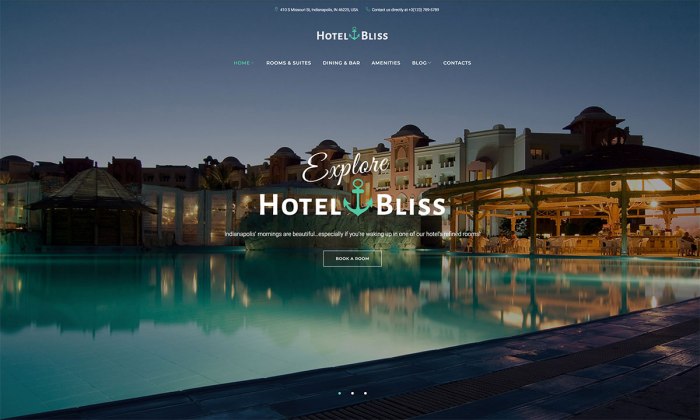
Source: colorlib.com
A “best” hotel website isn’t simply one that looks pretty; it’s a carefully crafted digital experience designed to attract, engage, and convert potential guests into paying customers. It’s a blend of aesthetics, functionality, and user-friendliness, all working together to achieve business goals. This section Artikels the key criteria for evaluating the effectiveness of a hotel website.
Criteria for Evaluating Hotel Websites
Several factors contribute to a hotel website’s success. A comprehensive evaluation should consider aspects beyond mere visual appeal. Key criteria include ease of navigation, mobile responsiveness, booking process simplicity, high-quality imagery and video, clear and concise information, integration with online travel agents (OTAs), and robust customer support features. A website lacking in any of these areas risks losing potential guests to competitors.
User Experience (UX) in Hotel Website Design
User experience is paramount. A well-designed website anticipates user needs and provides a seamless and intuitive journey. This involves straightforward navigation, clear calls to action, fast loading times, and a responsive design that adapts to various screen sizes. A poor UX can lead to frustration, abandonment of the booking process, and ultimately, lost revenue. For example, a website with a complex booking system or slow loading speed will likely deter users from completing a reservation.
Visual Appeal and Branding in Customer Attraction and Retention
Visual appeal and consistent branding are crucial for attracting and retaining customers. High-quality photography and videography showcasing the hotel’s amenities, rooms, and surrounding area create a compelling visual narrative. Consistent branding, including logo, color scheme, and typography, reinforces the hotel’s identity and creates a memorable experience. A visually stunning website, aligned with the hotel’s brand, instills confidence and encourages bookings. For instance, a luxury hotel website should reflect elegance and sophistication through its imagery and design, while a budget-friendly hotel might opt for a more vibrant and approachable aesthetic.
Comparison of Website Design Approaches
The choice of website design approach significantly impacts user experience and accessibility. Responsive design is generally preferred for its adaptability to different devices.
| Design Approach | Strengths | Weaknesses | Suitability |
|---|---|---|---|
| Responsive Design | Adapts to various screen sizes, consistent experience across devices, improved | Can be more complex to develop, requires careful testing | All hotels, particularly those targeting mobile users |
| Non-Responsive Design | Simpler to develop (initially), may be cheaper for basic sites | Poor user experience on mobile devices, lower ranking, inconsistent appearance | Generally unsuitable for modern hotels; may be acceptable only for very basic, low-traffic sites. |
| Single-Page Design | Fast loading times, easy navigation for smaller hotels with limited information | Can become cluttered for larger hotels, limited potential for individual pages | Small hotels with limited services and information. |
| Multi-Page Design | Suitable for large hotels with many services and rooms, better potential | Can be complex to navigate if not well-structured, requires more development time | Larger hotels with extensive offerings and information. |
Key Features of High-Performing Hotel Websites
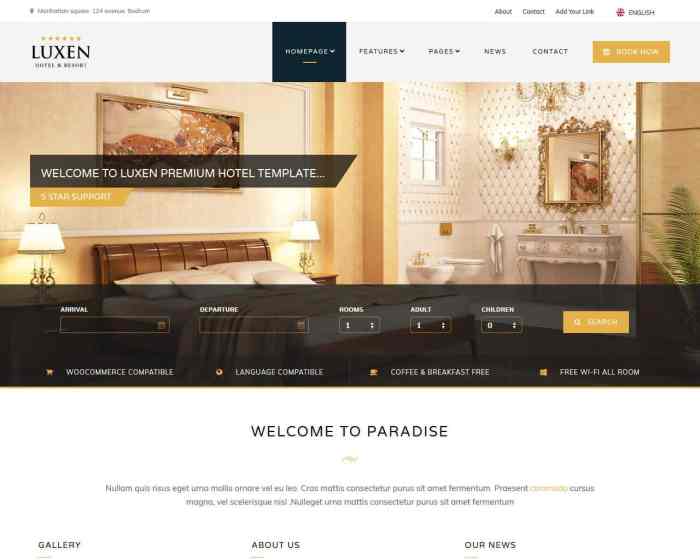
Source: templatemag.com
A high-performing hotel website isn’t just a digital brochure; it’s a powerful booking engine, a captivating storyteller, and a 24/7 concierge all rolled into one. Its success hinges on a seamless user experience that effortlessly guides visitors towards making a reservation. Key features contribute to this, maximizing conversions and building brand loyalty.
Effective hotel websites prioritize clarity, speed, and a compelling visual narrative. They understand that potential guests are often juggling multiple options, so making the booking process simple and enjoyable is paramount. This involves a strategic blend of design, functionality, and a clear understanding of the target audience.
Essential Features Enhancing Booking Conversions
High conversion rates are the ultimate measure of a successful hotel website. Several features directly contribute to this goal. A well-designed website simplifies the decision-making process for potential guests, reducing friction and encouraging immediate action.
- Clear and Concise Messaging: Avoid jargon and focus on benefits. Instead of “luxurious accommodations,” try “unwind in our spacious suites with breathtaking views.” Use strong verbs and action-oriented language.
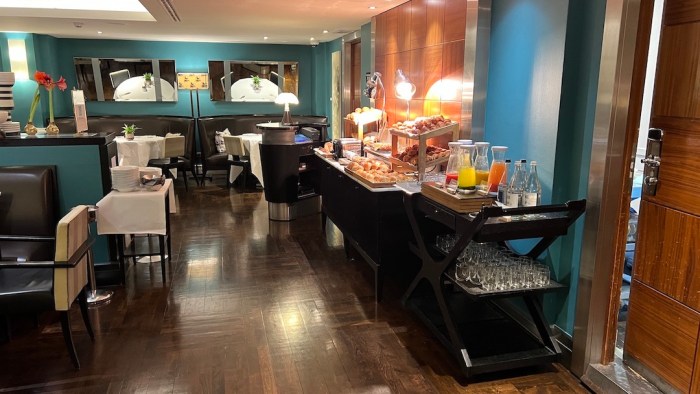
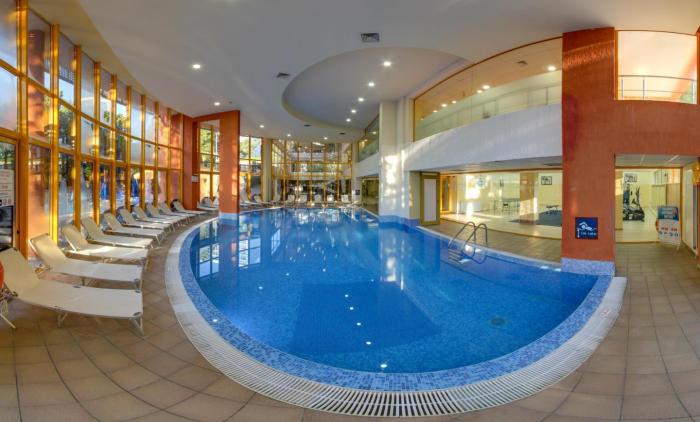
- High-Quality Photography and Videography: Professional images and videos showcasing the hotel’s amenities, rooms, and surrounding area are crucial. Think stunning shots of the lobby, inviting poolside scenes, and detailed room views highlighting key features like comfortable beds and spacious bathrooms.
- Easy-to-Use Booking Engine: A seamless booking process is critical. The booking engine should be intuitive, mobile-friendly, and offer a variety of payment options. Clear date selection, room type choices, and add-on options are key.
- Prominent Call-to-Actions (CTAs): Strategically placed CTAs, such as “Book Now,” “View Rooms,” or “Get a Quote,” guide users towards the desired action. These should be visually prominent and use strong action verbs.
Effective Call-to-Action (CTA) Strategies
The effectiveness of a CTA relies heavily on its placement, design, and the language used. A poorly designed CTA can significantly hinder conversion rates, while a well-crafted one can dramatically improve them.
- Strategic Placement: CTAs should appear prominently above the fold, on key landing pages, and throughout the booking process. Consider using different CTA variations to test their effectiveness.
- Compelling Copy: Instead of generic CTAs, use specific and benefit-driven language. For example, “Book Your Dream Getaway Now and Save 15%!” is more effective than simply “Book Now.”
- Visually Appealing Design: CTAs should stand out visually. Use contrasting colors, clear typography, and sufficient size to ensure they are easily noticeable. Consider using buttons with a clear sense of depth and texture.
- A/B Testing: Continuously test different CTA variations to identify what resonates best with your target audience. Track key metrics like click-through rates and conversion rates to optimize your strategy.
Mobile Optimization and User Engagement
With a significant portion of online bookings originating from mobile devices, mobile optimization is no longer optional; it’s essential. A poorly optimized mobile site leads to frustration, cart abandonment, and lost revenue.
A responsive design ensures the website adapts seamlessly to different screen sizes and devices, providing a consistent and user-friendly experience across all platforms. Fast loading speeds, intuitive navigation, and touch-friendly elements are all crucial components of a successful mobile strategy. For example, a hotel website might use a simplified menu structure on mobile to improve navigation speed and efficiency.
Essential Functionalities and Optimal Placement
Several key functionalities significantly improve the user experience and drive bookings. Their placement on the website should be intuitive and easily accessible.
- Booking Engine: Prominently displayed on the homepage and easily accessible throughout the site. Ideally, it should be integrated directly into the website rather than redirecting to a third-party platform.
- Virtual Tours: Embedded within the room and hotel descriptions, allowing potential guests to explore the property virtually. High-resolution images and interactive elements enhance the experience.
- High-Quality Images and Videos: Showcase the hotel’s best features throughout the website, emphasizing amenities and the overall ambiance. These should be strategically placed to create a visually compelling narrative.
- Contact Information: Clearly displayed in the header or footer, including phone number, email address, and a contact form. This builds trust and provides a convenient way for potential guests to reach out with questions.
- Detailed Room Descriptions: Include comprehensive descriptions of each room type, highlighting key features, amenities, and available upgrades. High-quality images are essential to complement the text.
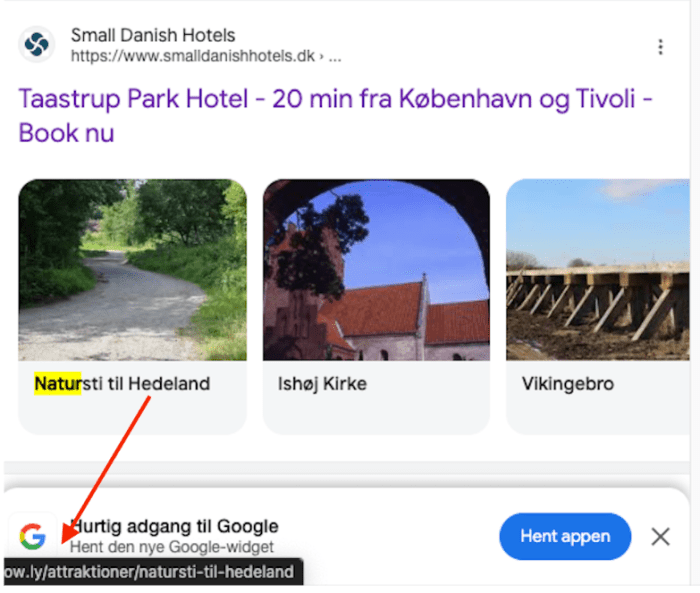
- Interactive Map: An embedded map showing the hotel’s location, nearby attractions, and transportation options enhances the user experience and helps guests plan their trip.
Content Strategy for Hotel Websites: Best Hotel Website
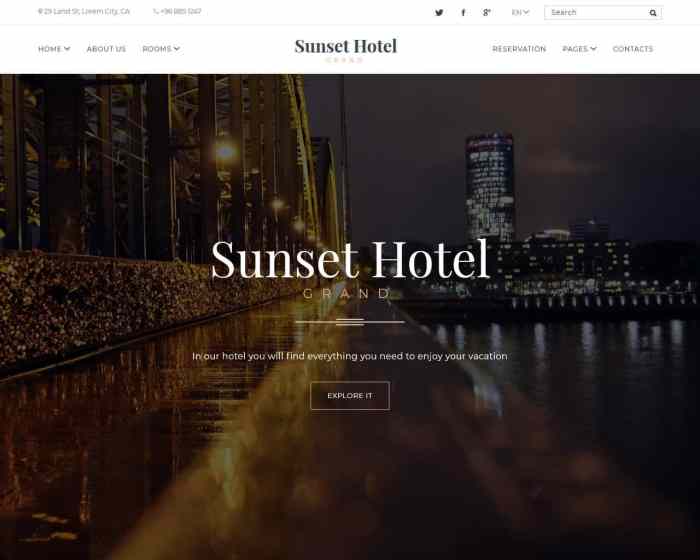
Source: templatemag.com
Crafting a compelling online presence is crucial for attracting guests and boosting bookings. Your hotel website isn’t just a digital brochure; it’s your 24/7 sales representative, your brand ambassador, and a key tool for managing guest expectations. A well-executed content strategy is the backbone of a successful hotel website, ensuring your message resonates with potential guests and drives conversions.
High-Quality Photography and Videography
Stunning visuals are paramount. They’re the first thing visitors see, and they instantly communicate the quality and ambiance of your hotel. High-quality photography should showcase your hotel’s unique features, from luxurious rooms and breathtaking views to inviting common areas and exceptional amenities. Think beyond the typical staged shots. Ideal images include candid shots of happy guests enjoying the hotel’s facilities, close-ups highlighting intricate details of room décor, and wide shots showcasing the hotel’s architecture and surrounding landscape. Videos should offer a more immersive experience, perhaps a short virtual tour of the hotel, showcasing the flow and ambiance, or highlighting key features like a stunning pool or a gourmet restaurant. Consider using drone footage to capture the hotel’s location and surroundings. Imagine a video showcasing a couple enjoying a romantic dinner on a balcony overlooking a city skyline, or a family happily splashing in the hotel pool. These are the kinds of visuals that create an emotional connection and inspire bookings.
Compelling Content Types for Hotel Websites
A diverse range of content keeps your website fresh, engaging, and informative. This ensures repeat visits and keeps your website ranking high in search results. A blog, for example, can feature articles on local attractions, hotel events, or travel tips related to your destination. Guest testimonials build trust and social proof, showcasing positive experiences. Local area guides provide valuable information for guests, highlighting nearby restaurants, shops, and activities. These guides can include interactive maps for easy navigation. Consider adding a section dedicated to frequently asked questions (FAQs) to address common guest inquiries proactively. This reduces the need for individual email or phone calls. Finally, showcasing special offers and packages creates a sense of urgency and encourages immediate booking.
Benefits of Interactive Elements
Interactive elements enhance user engagement and provide a more immersive experience. Interactive maps allow guests to easily locate your hotel and explore the surrounding area. 360° virtual tours give potential guests a realistic feel for the hotel rooms and common areas, allowing them to “walk through” before they arrive. Interactive floor plans are helpful for guests to visualize the layout of their room or the hotel itself. These interactive elements significantly enhance the user experience and make the website more engaging. Think about the impact of a 360° view of a luxurious suite, allowing users to explore every detail, from the king-size bed to the panoramic city view.
Sample Homepage Text
Escape to Paradise. Unwind at the [Hotel Name].
Experience luxury and comfort in the heart of [City/Region]. Our stunning hotel offers [mention key features, e.g., breathtaking ocean views, world-class dining, and a tranquil spa]. Book your unforgettable stay today!
Technical Aspects of Hotel Websites
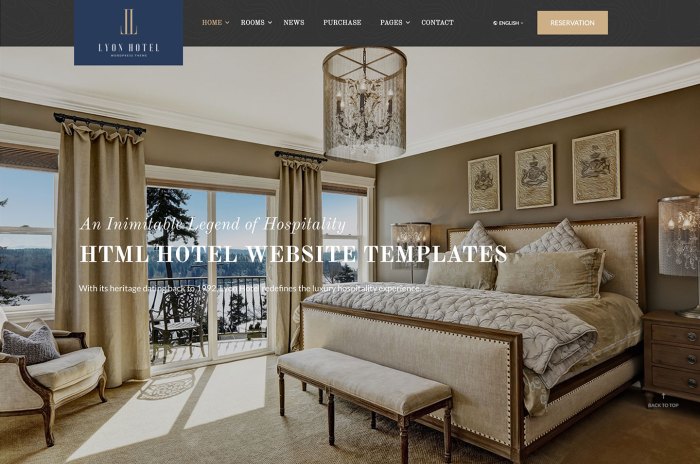
Source: colorlib.com
Building a successful hotel website goes beyond attractive visuals and compelling copy. The underlying technical architecture significantly impacts user experience, search engine rankings, and ultimately, your bottom line. A technically sound website is fast, secure, and easily managed, ensuring a smooth booking process and positive brand perception.
Website Speed and its Impact on User Experience and
Website speed is paramount. Slow loading times frustrate users, leading to high bounce rates and lost bookings. Search engines also prioritize fast-loading websites, impacting your organic search rankings. A study by Google showed that even a one-second delay in page load time can result in a 7% reduction in conversions. To optimize speed, consider using optimized images, caching plugins, and a reliable hosting provider. Regularly analyze your website’s performance using tools like Google PageSpeed Insights to identify and address bottlenecks.
Benefits of Using a Content Management System (CMS) for Hotel Websites
A CMS like WordPress, Drupal, or Joomla provides a user-friendly interface for managing website content without requiring extensive coding knowledge. This empowers hotel staff to easily update information, add new offers, and manage bookings. CMS platforms offer scalability, allowing your website to grow with your business needs. They also often come with built-in security features and tools, simplifying website maintenance and optimization. Furthermore, a large community of developers and users provides extensive support and a vast library of plugins and themes to enhance functionality and design.
Comparison of Website Hosting Options
Choosing the right hosting plan is crucial for website performance and security. Shared hosting is the most affordable option, but resources are shared among multiple websites, potentially impacting speed and reliability during peak traffic. Dedicated servers offer superior performance and security, as they are exclusively dedicated to your website, but they are significantly more expensive. Cloud hosting provides a scalable solution, automatically adjusting resources based on website traffic. The best option depends on your budget, website traffic, and technical expertise. A small hotel with low traffic might find shared hosting sufficient, while a large chain would benefit from the scalability and performance of cloud or dedicated hosting.
Essential Technical Considerations for Website Security and Data Protection
Website security is non-negotiable, especially when handling sensitive customer data like credit card information and personal details. Neglecting security can lead to data breaches, financial losses, and reputational damage.
- SSL Certificate: An SSL certificate encrypts data transmitted between your website and users’ browsers, protecting sensitive information during online transactions.
- Regular Software Updates: Keep your CMS, plugins, and themes updated to patch security vulnerabilities.
- Strong Passwords and Two-Factor Authentication: Implement strong, unique passwords for all website accounts and enable two-factor authentication for enhanced security.
- Firewall Protection: A firewall acts as a barrier against malicious attacks, preventing unauthorized access to your website.
- Regular Security Audits: Conduct regular security audits to identify and address potential vulnerabilities.
- Data Backup and Recovery: Regularly back up your website data to prevent data loss in case of a system failure or attack.
- Compliance with Data Protection Regulations: Ensure compliance with relevant data protection regulations such as GDPR and CCPA.
Marketing and Promotion of Hotel Websites
Source: intechnic.com
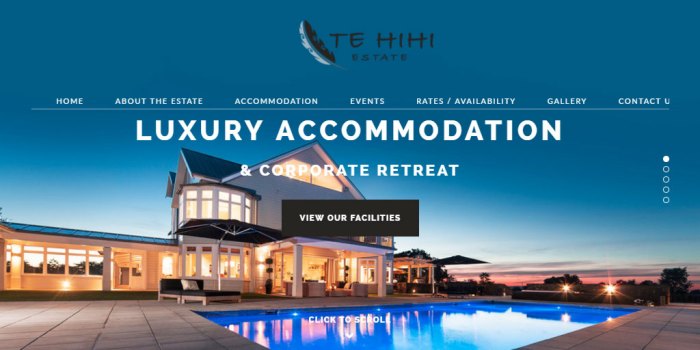
Getting your hotel website noticed requires a multi-pronged approach. It’s not enough to simply build a beautiful site; you need to actively drive traffic to it and engage potential guests. This involves leveraging various online channels and integrating them seamlessly with your website.
Effective marketing strategies significantly increase your hotel’s visibility and booking rates. By understanding and implementing the right techniques, you can transform your website into a powerful tool for attracting and converting customers.
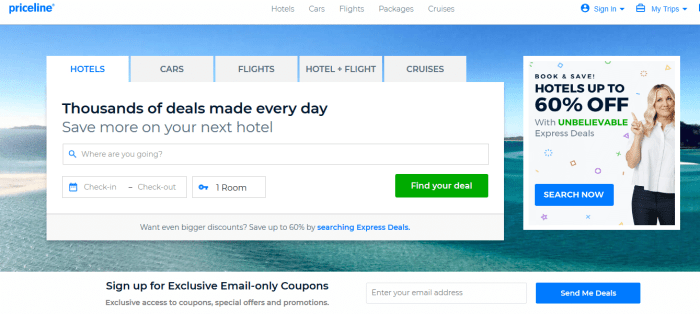
Driving Website Traffic Through Online Channels, Best hotel website
A successful online presence relies on reaching potential guests where they already are. This means utilizing a variety of online channels to direct traffic to your hotel’s website.
- Paid Advertising: Platforms like Google Ads allow you to target specific demographics with ads that appear when users search for hotels in your area or related s. These ads can be highly effective in driving immediate bookings.
- Email Marketing: Building an email list allows you to directly reach past guests and potential customers with targeted offers and promotions. Personalized email campaigns can be highly effective at converting leads into bookings.
- Affiliate Marketing: Partnering with travel blogs, review sites, and other relevant websites can expose your hotel to a wider audience. These partnerships can generate significant referral traffic.
- Metasearch Engines: Listing your hotel on metasearch engines like Kayak, Expedia, and Trivago increases your visibility to a broader audience searching for accommodations. These sites aggregate listings from various sources, making your hotel easily discoverable.
Integrating Social Media with the Hotel Website
Social media isn’t just for casual updates; it’s a powerful tool for promoting your hotel and driving traffic to your website. A well-integrated strategy increases brand awareness and encourages direct bookings.
- Consistent Branding: Maintain a consistent brand voice and visual identity across all social media platforms and your website. This creates a cohesive brand experience for potential guests.
- Compelling Visual Content: High-quality photos and videos of your hotel’s amenities, rooms, and surrounding area are crucial for attracting attention on platforms like Instagram and Facebook. Showcasing stunning visuals helps potential guests envision themselves at your hotel.
- Targeted Advertising: Utilize social media advertising to reach specific demographics based on location, interests, and travel habits. Targeted ads can significantly increase your reach and conversion rates.
- Website Links: Include clear and prominent links to your hotel’s website in all social media profiles and posts. Make it easy for users to book directly through your site.
Improving Website Ranking in Search Results
Making your hotel website easily findable requires optimizing it for search engines. This involves focusing on relevant s, ensuring fast loading speeds, and providing high-quality, informative content. A well-optimized site will rank higher in search results, leading to increased organic traffic.
Sample Social Media Post
Imagine a picture of a couple relaxing by a sparkling pool, cocktails in hand, at sunset. The caption could read: “Escape to paradise! Enjoy our exclusive sunset cocktail hour by the pool, included with every stay this summer. Book your getaway now via the link in our bio! #HotelParadise #SunsetCocktails #SummerGetaway #LuxuryVacation”
Final Thoughts
Source: templatemag.com
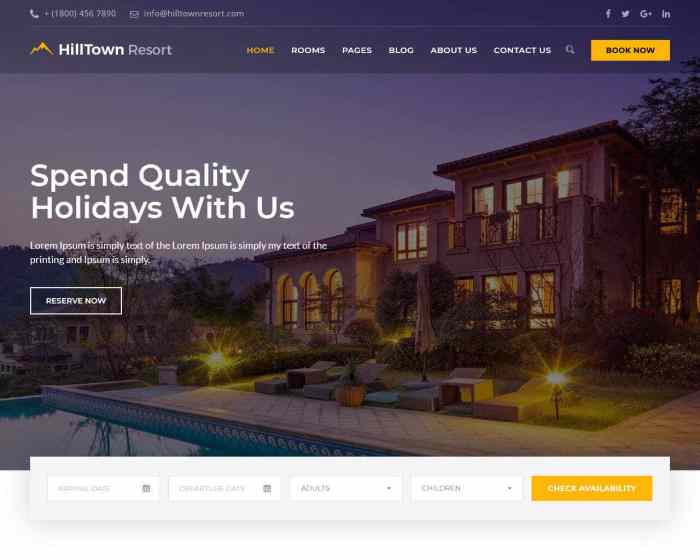
Creating the best hotel website requires a holistic approach, combining compelling visuals, intuitive navigation, and a strong marketing strategy. By focusing on user experience, incorporating essential features, and consistently delivering high-quality content, you can build a website that not only attracts potential guests but also converts them into loyal customers. Remember, your website is your digital storefront – make it count!