Best Hotels for Business Travel Your Smart Guide
Best hotels for business travel aren’t just about luxury; they’re about maximizing productivity and comfort. This guide dives into the key factors – location, amenities, price, and reviews – that help you choose the perfect hotel for your next business trip, ensuring a seamless and successful experience. We’ll explore how to weigh the pros and cons of different hotel types and pricing strategies, ultimately helping you find the best value for your money.
From high-speed internet and ergonomic workspaces to proximity to transportation hubs and business districts, we’ll cover all the essential aspects. We’ll also highlight unexpected amenities that can elevate your stay and leave you feeling refreshed and ready to conquer your business goals. Get ready to transform your business trips from stressful journeys into productive and enjoyable experiences.
Defining “Best” for Business Travelers

Source: travelbusiness.at
Choosing the right hotel for a business trip is crucial for productivity and overall success. It’s more than just a place to sleep; it’s a temporary workspace and a reflection of your professional image. Several factors influence a business traveler’s perception of a “best” hotel, going beyond simple luxury.
Key Criteria for Business Hotel Selection
Business travelers prioritize a specific set of criteria when selecting accommodation. These preferences often outweigh considerations like sheer luxury or aesthetic appeal.
Five key criteria consistently rank highly: Location, reliable high-speed Wi-Fi, comfortable workspace, convenient business amenities (meeting rooms, business center), and a positive overall experience (cleanliness, friendly staff, efficient service).
Location’s Importance for Business Travelers
Proximity to business destinations is paramount. A hotel’s location directly impacts a business traveler’s efficiency. A short commute to meetings, conferences, or client sites saves valuable time and reduces stress. Consider the impact of a long, frustrating commute versus a quick, convenient trip – the former can significantly disrupt a productive workday. Hotels located near public transport hubs, airports, or directly within business districts offer a substantial advantage. For example, a hotel near a major conference center is preferable to one requiring a lengthy taxi ride, especially during peak hours.
Luxury Hotels vs. Budget-Friendly Options
Luxury hotels often provide exceptional amenities and services, including personalized attention, upscale dining options, and spacious accommodations. These features can enhance a business traveler’s experience and create a positive impression on clients. However, the higher price tag may not always be justified, particularly for shorter trips or those focused solely on work.
Budget-friendly options, on the other hand, prioritize affordability without necessarily compromising essential amenities like Wi-Fi and a comfortable workspace. They offer a practical choice for travelers who value cost-effectiveness and plan to spend most of their time working outside the hotel. The choice between luxury and budget depends heavily on the trip’s purpose, duration, and the traveler’s company’s expense policy. A longer trip might justify a luxury stay for comfort and relaxation, while a quick overnight trip might make a budget hotel more sensible.
Essential Hotel Amenities for Business Travelers
The following table compares crucial hotel amenities for business travelers:
| Amenity | Luxury Hotel | Mid-Range Hotel | Budget Hotel |
|---|---|---|---|
| High-Speed Wi-Fi | Guaranteed high speed, often included; may offer premium options | Reliable high-speed Wi-Fi, usually included | Basic Wi-Fi, may have speed limitations or additional charges |
| Business Center | Fully equipped with computers, printers, scanners, and meeting rooms | Basic business center with computers and printers | May lack a dedicated business center; limited printing options |
| Meeting Rooms | Various sizes available, often with advanced technology | Smaller meeting rooms, basic equipment | May not offer dedicated meeting rooms |
| Work Desk/Space | Spacious, ergonomic work desk with ample lighting | Adequate work desk with basic lighting | May have a small desk or limited workspace |
Hotel Amenities and Services: Best Hotels For Business Travel

Source: globalstaytops.com
For business travelers, a hotel is more than just a place to sleep; it’s a temporary office, a wellness center, and a base for exploring a new city. The right amenities and services can significantly impact productivity, comfort, and overall satisfaction during a business trip. Choosing a hotel with the right features can make all the difference between a successful and a stressful trip.
Essential Business-Oriented Amenities
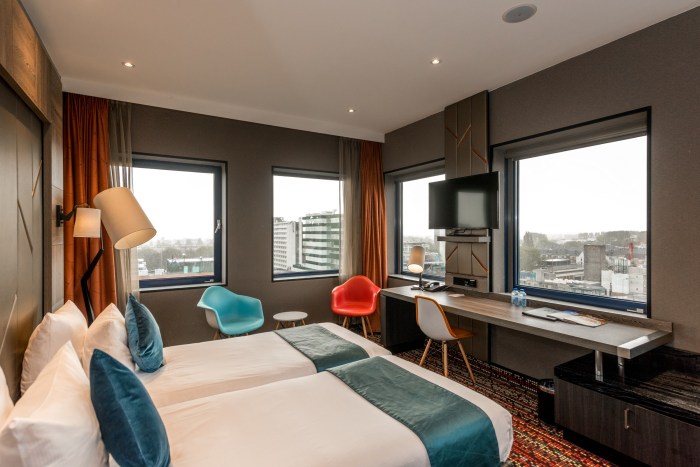
High-speed, reliable internet access is paramount for today’s business traveler. Imagine trying to close a deal or participate in a crucial video conference with spotty Wi-Fi. It’s a disaster waiting to happen. Beyond speed, readily available access points throughout the hotel, including the lobby, rooms, and meeting spaces, are crucial. Ergonomic workspaces are equally important. This means comfortable chairs with proper back support, adjustable desks, and ample lighting. Many hotels now offer dedicated business centers with printers, scanners, and other office equipment, providing a professional environment for working away from the office. These facilities go beyond basic amenities, contributing to a productive and efficient business trip.
Impact of Fitness Facilities and Healthy Food Options
On-site fitness facilities and healthy food options play a crucial role in maintaining well-being during business travel. Long days of meetings and travel can take a toll on the body. Access to a gym, pool, or fitness classes allows business travelers to maintain their fitness routines and reduce stress. Similarly, the availability of healthy food choices—from nutritious breakfast options to balanced meal selections in the hotel restaurant or room service—enables travelers to make healthier decisions, preventing burnout and maintaining energy levels throughout their trip. This contributes to a more positive and productive trip, preventing health-related issues and boosting overall morale. For example, a hotel offering yoga classes and fresh juice options would appeal greatly to health-conscious business travelers.
Innovative Hotel Services Enhancing Productivity and Well-being
Many hotels are now incorporating innovative services to cater to the needs of business travelers. Some offer in-room technology integrations that allow seamless connection to office systems and productivity tools. Others provide dedicated co-working spaces, fostering collaboration and networking opportunities. Some hotels even offer on-demand services like laundry pick-up and delivery, eliminating tedious tasks and maximizing valuable time. Consider a hotel offering a “productivity package” that includes a guaranteed quiet room, complimentary printing credits, and access to a dedicated business concierge – this shows a commitment to meeting the needs of the business traveler.
Unexpected Amenities Elevating the Business Travel Experience
Before listing some unexpected amenities, it’s important to understand that what constitutes “unexpected” can vary based on individual preferences and expectations. However, certain amenities consistently go above and beyond standard offerings, creating a memorable and positive experience. These small touches can make a huge difference in the overall perception of the hotel and the business trip itself.
- Airport Transfer with a Premium Service: Not just a shuttle, but a private car service or even a helicopter transfer for executive-level travelers.
- Personalized Concierge Services: A dedicated concierge who anticipates needs, arranges meetings, and handles travel logistics proactively.
- High-Quality Sleep Amenities: Offering premium bedding, aromatherapy diffusers, and blackout curtains for superior sleep quality.
- Smart Room Technology Integration: Seamless control of lighting, temperature, and entertainment systems through a smartphone app.
- Local Experience Packages: Curated experiences that allow travelers to engage with the local culture and surroundings beyond the usual tourist traps.
Location and Accessibility
Source: rydoo.com
For business travelers, a hotel’s location is paramount. It directly impacts efficiency, convenience, and overall trip satisfaction. Choosing wisely can save valuable time and minimize stress, allowing you to focus on the purpose of your business trip.
Proximity to transportation hubs is crucial for business travelers. Efficient travel to and from airports and train stations is essential for minimizing travel time and maximizing productivity. Late flights or early meetings become less stressful when a hotel is easily accessible.
Transportation Hub Proximity
Hotels near major transportation hubs offer significant advantages. A short taxi ride or even a convenient train connection to the airport or main train station can make a huge difference, especially when dealing with tight schedules. Consider the potential delays of ground transportation; being closer reduces the risk of missing flights or appointments. However, hotels directly adjacent to these hubs might come with increased noise levels and potentially higher prices due to higher demand. The ideal situation balances proximity with a reasonable level of peace and quiet.
City Center versus Suburban Locations
Hotels in city centers provide easy access to business districts, restaurants, and entertainment. This central location minimizes commute times and allows for convenient networking opportunities. However, city center hotels often mean higher prices and a less tranquil environment due to increased noise and traffic. Suburban hotels offer a quieter, potentially more affordable option, but they often require longer commutes to business meetings and other activities. The best choice depends on individual priorities and the nature of the business trip. For example, a quick business meeting might prioritize a city center location, while a longer project might benefit from the tranquility of a suburban hotel.
Access to Local Businesses and Amenities
Easy access to local businesses, restaurants, and entertainment venues is another key factor. Being close to client offices, meeting spaces, and reliable dining options is essential for productivity and convenience. Consider the hotel’s proximity to potential meeting locations, client offices, or any relevant business services. The availability of reliable and diverse dining options also contributes to a more comfortable and productive trip. A hotel with easy access to local restaurants, coffee shops, and perhaps even fitness facilities, enhances the overall business travel experience.
Ideal Hotel Location Map
Imagine a map. In the center is a large square representing the main business district, with several smaller squares clustered around it, each representing key client offices or meeting locations. A large circle representing the city’s airport is located to the northeast of the business district. A slightly smaller circle representing the main train station is located to the southwest. The ideal business hotel is situated between the train station and the business district, but close enough to the airport to allow for convenient access without excessive travel time. This location provides easy access to all key areas, minimizing travel time and maximizing convenience.
Pricing and Value

Source: top10lifestyles.com
Choosing a hotel for business travel isn’t just about finding a comfortable bed; it’s about finding value for your money. The price you pay directly impacts your overall experience, affecting everything from your productivity to your overall well-being during your trip. Understanding the nuances of hotel pricing and how to assess value is crucial for efficient and effective business travel.
Hotel price and the overall business travel experience are intrinsically linked. A higher price tag often (but not always) translates to better amenities, more convenient locations, and potentially improved service. However, a high price doesn’t automatically guarantee a positive experience, and conversely, a lower price doesn’t mean a poor one. The key is finding the right balance between cost and the features that enhance your business trip.
Pricing Models for Business Travelers
Different pricing models cater to various business travel needs. Per-night rates are straightforward, offering transparency but lacking the potential savings of other options. Corporate rates, negotiated with hotels for frequent business travelers or companies, usually offer discounted prices. Package deals, which bundle accommodation with other services like airport transfers or meals, can provide significant cost savings if those bundled services align with your needs. The best model depends on your travel frequency, company policies, and the length of your stay. For example, a frequent traveler might benefit greatly from a corporate rate, while someone on a short, one-night trip might find a per-night rate simpler and more suitable.
Evaluating Hotel Value, Best hotels for business travel
Evaluating a hotel’s value proposition requires a holistic approach, considering the interplay of amenities, location, and price. Consider the following:
- Amenities: Do the amenities – Wi-Fi speed, business center access, fitness facilities – directly support your work needs? A hotel with excellent Wi-Fi might be worth a slightly higher price if reliable internet access is crucial for your work.
- Location: Is the hotel conveniently located near your meeting venue, airport, or other important business destinations? Saving time on commuting can be invaluable, making a hotel in a prime location a worthwhile investment even if slightly more expensive.
- Price: Compare prices across similar hotels with comparable amenities and locations. Don’t just focus on the lowest price; consider the overall value you receive for your money.
A good way to visualize this is to consider the value proposition as a ratio:
Value = (Amenities + Location) / Price
A higher ratio indicates better value.
Price-to-Value Comparison of Hotel Types
The following table compares the price-to-value ratio of three different hotel types: boutique, chain, and independent. Note that these are generalizations and specific hotels within each category can vary significantly.
| Hotel Type | Price Range (per night) | Typical Amenities | Location | Value Assessment |
|---|---|---|---|---|
| Boutique Hotel | $150 – $300+ | Unique design, personalized service, high-end amenities | Often in central locations | High value for travelers prioritizing unique experience and personalized service. |
| Chain Hotel | $80 – $200 | Consistent amenities, loyalty programs, predictable service | Wide range of locations, often near transportation hubs | Good value for frequent travelers who appreciate consistency and loyalty program benefits. |
| Independent Hotel | $100 – $250+ | Variable amenities, local character, potentially unique services | Often in specific neighborhoods, may require more travel time | Value depends heavily on specific hotel; can offer unique experiences but may lack consistency. |
Reviews and Ratings

Source: cnn.com
Online reviews and ratings are incredibly influential in shaping a business traveler’s hotel selection. They provide a crucial layer of independent verification beyond the hotel’s own marketing materials, offering insights into the actual guest experience. This section will explore how business travelers utilize reviews, the most pertinent aspects within those reviews, and strategies for identifying trustworthy sources.
Online reviews significantly impact hotel choices for business travelers because they offer a glimpse into the practical aspects of a stay that are critical for productivity and efficiency. Unlike leisure travelers who may prioritize amenities like spas or pools, business travelers are more focused on reliable Wi-Fi, comfortable workspaces, convenient locations, and efficient service. Reviews serve as a filter, allowing travelers to quickly identify hotels that meet these specific needs.
Key Aspects of Hotel Reviews Relevant to Business Travelers
Business travelers prioritize different aspects of a hotel stay than leisure travelers. Therefore, when reviewing online feedback, specific elements take precedence. These include:
- Wi-Fi Reliability and Speed: Consistent and high-speed internet is crucial for working remotely. Reviews mentioning slow or unreliable Wi-Fi are major red flags.
- Work Space Adequacy: The availability and comfort of a workspace, whether it’s a dedicated desk or a comfortable seating area, is essential. Reviews should highlight the size and functionality of the workspace.
- Location and Accessibility: Proximity to transportation hubs, business districts, and meeting venues is paramount. Reviews should detail the ease of access to these locations.
- Quietness and Comfort: A restful night’s sleep is crucial for productivity. Reviews that mention noise levels, bed comfort, and room darkness are important considerations.
- Business-Friendly Amenities: The availability of business services like printing, faxing, or meeting rooms is often a key factor. Reviews highlighting these features are valuable.
- Efficiency of Check-in/Check-out: Streamlined processes save valuable time. Reviews mentioning long wait times or cumbersome procedures should be noted.
Identifying Reliable and Unbiased Hotel Reviews
Not all reviews are created equal. Some strategies for identifying reliable and unbiased reviews include:
- Check Review Volume and Dates: A hotel with a large number of recent reviews suggests a more current and representative picture of the guest experience.
- Look for Verified Reviews: Many platforms verify reviews by confirming the guest stayed at the hotel. These are generally more reliable.
- Consider Review Consistency: If a hotel consistently receives positive feedback across multiple platforms, it’s a stronger indicator of quality.
- Analyze Review Patterns: Look for recurring themes or complaints. If several reviewers mention the same issue, it’s more likely to be accurate.
- Read Reviews from Multiple Sources: Don’t rely on a single review site. Compare reviews from several platforms like TripAdvisor, Booking.com, Expedia, etc., to get a broader perspective.
Interpreting and Utilizing Online Reviews
Interpreting reviews effectively involves looking beyond the star rating and focusing on the specific details provided by guests. For example, a hotel with a 4-star average might have several negative reviews mentioning noisy rooms. This highlights a specific issue that may outweigh the overall positive rating for a business traveler prioritizing a quiet workspace.
For example, a business traveler planning a trip to New York City might see a hotel with a high overall rating, but numerous reviews mention difficulty accessing reliable Wi-Fi in the rooms. This information would be crucial for someone needing to conduct video conferences or work remotely during their stay. Alternatively, a hotel with a slightly lower average rating but consistent positive feedback about its quiet rooms and efficient check-in process might be a better fit for a business traveler valuing these aspects. Ultimately, the interpretation of reviews is highly contextual and should align with the traveler’s specific priorities.
Final Thoughts
Source: rydoo.com
Choosing the right hotel for business travel significantly impacts your trip’s success. By carefully considering location, amenities, price, and online reviews, you can find a hotel that boosts your productivity and enhances your overall experience. Remember to prioritize your needs and preferences, whether that means a luxurious escape or a budget-friendly option. Ultimately, the best hotel is the one that allows you to focus on your work while enjoying a comfortable and convenient stay. Happy travels!