Best Way to Book Hotels Smart Strategies for Savings
Best way to book hotels? It’s a question every traveler asks! Finding the perfect hotel at the perfect price can feel like navigating a maze, but it doesn’t have to be. This guide unveils the secrets to scoring amazing hotel deals, from mastering online travel agencies (OTAs) and search engine tricks to leveraging loyalty programs and negotiating directly with hotels. We’ll cover everything from understanding room types and hidden fees to evaluating reviews and managing your booking, ensuring your next trip is smooth sailing.
We’ll explore the pros and cons of various booking platforms like Expedia, Booking.com, and Hotels.com, comparing their interfaces and features. Learn how to use Google’s advanced search operators to unearth hidden gems and avoid those pesky extra charges. Discover the power of hotel loyalty programs and how they can significantly reduce your travel costs. We’ll even show you how to negotiate directly with hotels and get the best possible rate!
Understanding Hotel Booking Websites

Source: littlefeetbigadventures.com
Navigating the world of hotel bookings can feel overwhelming, with countless websites vying for your attention. Understanding the nuances of these platforms is key to finding the best deals and the perfect accommodation for your needs. This section will help you compare popular booking sites and understand the advantages and disadvantages of different booking methods.
Comparison of Hotel Booking Websites
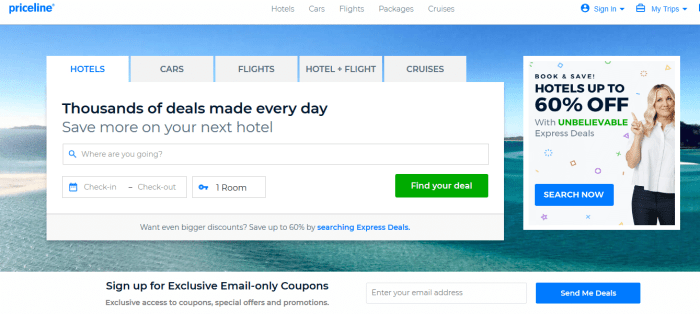
Choosing the right booking website depends on your preferences and priorities. Here’s a comparison of three popular options: Expedia, Booking.com, and Hotels.com. Consider factors like ease of use, filter options, and mobile experience when making your choice.
| Website | Ease of Navigation | Filter Options | Mobile Friendliness |
|---|---|---|---|
| Expedia | Generally intuitive, but can feel cluttered with numerous promotions. | Extensive, allowing filtering by price, amenities, guest rating, hotel brand, and more. Offers package deals combining flights and hotels. | Well-designed mobile app with smooth navigation and easy access to key features. |
| Booking.com | User-friendly interface with a clean layout. Easy to find hotels based on location and dates. | Offers a wide range of filters similar to Expedia, including guest reviews, hotel type, and specific amenities. | Excellent mobile app, highly rated for its ease of use and comprehensive features. |
| Hotels.com | Simple and straightforward interface, ideal for users who prioritize ease of use over extensive features. | Provides basic filtering options, focusing primarily on price, star rating, and guest reviews. | Functional mobile app, though possibly less feature-rich compared to Expedia and Booking.com. |
Online Travel Agencies (OTAs) versus Direct Booking
Booking through an OTA like Expedia or Booking.com offers convenience and the ability to compare prices across multiple hotels. However, booking directly with the hotel can sometimes offer better rates, loyalty programs, and more personalized service.
Advantages of using OTAs: Wide selection of hotels, easy price comparison, often bundled deals (flights + hotels), customer reviews readily available, and user-friendly interfaces.
Disadvantages of using OTAs: Potentially higher prices compared to direct booking, less flexibility in cancellations or changes, potential for hidden fees, and less personalized service.
Advantages of booking directly with hotels: Potentially lower prices, loyalty programs and benefits, direct communication with the hotel staff, greater flexibility in cancellations or requests, and often better room selection.
Disadvantages of booking directly with hotels: More time-consuming to compare prices across different hotels, less access to bundled deals, and potentially less transparent pricing.
Hotel Room Types and Amenities
Booking platforms offer a wide variety of room types and amenities to cater to different needs and budgets. Understanding these options helps you choose the best fit for your trip.
Understanding the various room types and amenities available is crucial for a comfortable stay. Consider your needs and budget when making your selection.
- Room Types: Standard rooms, deluxe rooms, suites (junior suites, executive suites), connecting rooms, family rooms.
- Amenities: Free Wi-Fi, breakfast included, swimming pool, fitness center, spa, parking, pet-friendly options, airport shuttle, concierge service, business center, in-room dining.
Utilizing Search Engines Effectively: Best Way To Book Hotels
Source: setupmyhotel.com
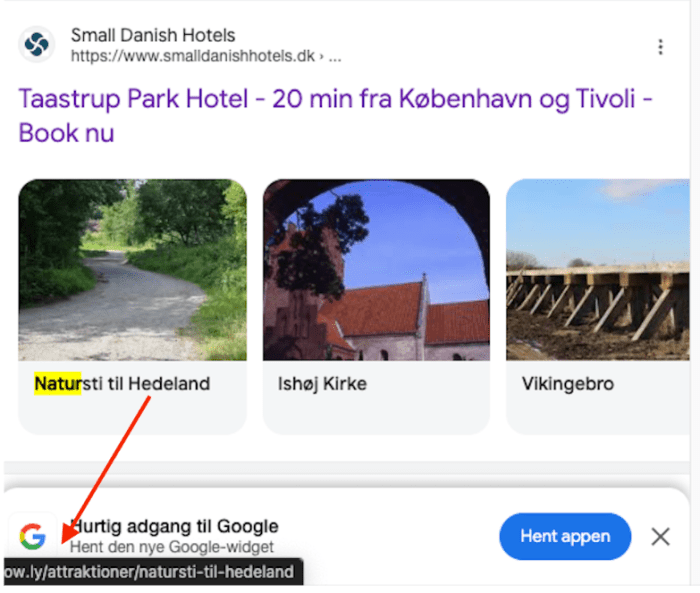
Finding the perfect hotel at the best price often involves more than just browsing booking websites. Mastering search engine techniques can unlock hidden deals and save you significant money. This section will guide you through using Google’s advanced search operators and other strategies to refine your hotel searches and avoid unexpected costs.
Google’s advanced search operators allow you to significantly narrow your search results, focusing on specific criteria like price, location, and amenities. This precision helps you quickly identify hotels that match your needs and budget, saving you time and effort sifting through irrelevant results. Combining these operators with strategic choices dramatically improves the effectiveness of your search.
Google’s Advanced Search Operators for Hotel Searches
Here’s a step-by-step guide on using Google’s advanced search operators to find hotel deals. Remember, these operators are used within the search bar itself, often preceded by a space. Experiment to find the combinations that work best for your needs.
- Specify Location: Use quotation marks around the city and state to find hotels in a precise location. For example: “New York City, NY” will provide results specifically within New York City. Adding “near” and another location can also help, such as “hotels near Times Square New York City, NY”.
- Specify Dates: Use the “daterange:” operator to limit results to specific check-in and check-out dates. For instance, “hotels daterange:2024-03-15-2024-03-20” will show hotels available between March 15th and 20th, 2024.
- Set a Price Range: While not directly supported by a specific operator, you can use phrases like “hotels under $150” or “hotels between $100 and $200” to filter results based on price. Be aware that this method is less precise and might miss some deals listed differently.
- Specify Amenities: Include s describing desired amenities like “hotels with pool” or “hotels with free wifi” to filter results based on specific features. The more specific you are (e.g., “hotels with rooftop pool and free breakfast”), the better your results will be.
- Exclude Certain Terms: Use the “-” operator to exclude unwanted results. For example, “hotels in Miami -beach” will exclude hotels located on Miami Beach. This is useful for filtering out certain areas or types of hotels.
Identifying and Avoiding Hidden Fees
Hidden fees are a common frustration when booking hotels online. These unexpected charges can significantly inflate the final cost. Using specific search terms and carefully reviewing booking details are key to avoiding these surprises.
- Look for “all-inclusive” options: These packages often clearly state all included costs upfront, eliminating the risk of hidden fees. However, be sure to carefully check what is actually included.
- Read reviews carefully: Pay attention to reviews mentioning unexpected fees. Reviewers often highlight resort fees, parking charges, or other extra costs that might not be immediately apparent on the booking site.
- Check the fine print: Before confirming your booking, meticulously review the terms and conditions. Look for any mention of additional fees, taxes, or surcharges.
- Compare multiple websites: Different booking platforms may display fees differently. Comparing prices and terms across several websites helps you identify discrepancies and potential hidden costs.
Relevant Search Terms Beyond “Best Way to Book Hotels”
Expanding your search terms beyond the generic “best way to book hotels” can dramatically improve your results. Using specific s increases the likelihood of finding relevant and targeted information.
- “cheap hotels [city/location]”
- “budget hotels [city/location] [dates]”
- “luxury hotels [city/location] [amenities]”
- “hotels near [landmark/attraction]”
- “[hotel chain] hotels [city/location]”
- “hotels with free parking [city/location]”
- “pet-friendly hotels [city/location]”
Leveraging Hotel Loyalty Programs

Source: pokerpilgrims.com
Hotel loyalty programs can be a game-changer for frequent travelers, offering significant perks and potential cost savings. However, understanding the nuances of each program is crucial to maximizing their benefits. Choosing the right program depends on your travel habits and spending patterns.
Loyalty programs offer a variety of benefits, but they aren’t always the best option for every trip. Weighing the advantages against the potential drawbacks will help you decide if a loyalty program is right for you.
Comparison of Hotel Loyalty Programs
Several major hotel chains offer comprehensive loyalty programs, each with its own strengths and weaknesses. Understanding these differences is key to selecting the program that best aligns with your travel style.
- Marriott Bonvoy: Known for its extensive global portfolio, Marriott Bonvoy offers a wide range of hotels, from budget-friendly options to luxury resorts. Points are relatively easy to earn, and redemption options are diverse. However, point values can fluctuate, and the highest-end properties often require a significant number of points for redemption.
- Hilton Honors: Hilton Honors boasts a strong presence worldwide and offers a straightforward points system. Earning and redeeming points is generally considered user-friendly. However, the program’s point value for award nights might not always be as competitive as some other programs.
- IHG Rewards Club: IHG Rewards Club (now IHG One Rewards) provides a good balance between earning and redemption opportunities. The program offers a range of hotels at various price points, and point accumulation can be relatively quick, particularly with co-branded credit cards. However, the availability of award nights can sometimes be limited, especially during peak seasons.
Earning and Redeeming Points in Different Programs
The specifics of earning and redeeming points vary across programs. Understanding these details is essential for strategic planning.
- Marriott Bonvoy: Points are earned by staying at Marriott hotels, using a co-branded credit card, or participating in partner promotions. Points can be redeemed for free nights, upgrades, flights, and other experiences. The number of points required for a free night varies significantly based on the hotel’s category and the time of year.
- Hilton Honors: Points are earned by staying at Hilton hotels, using a co-branded credit card, or participating in partner promotions. Points can be redeemed for free nights, upgrades, and other benefits. The number of points needed for a free night depends on the hotel’s category and demand.
- IHG One Rewards: Points are earned through stays at IHG hotels, using a co-branded credit card, or through various partnerships. Points can be redeemed for free nights, upgrades, and other benefits. Similar to other programs, the number of points required varies based on hotel category and demand.
Scenario: Significant Cost Savings with Loyalty Program
Imagine a family planning a week-long vacation to Hawaii. They need two rooms for seven nights at a luxury resort. The cost of two rooms per night is $800. The total cost would be $5600. However, by using Marriott Bonvoy points, they redeem 280,000 points (assuming 10,000 points per night per room) for the stay. If the family accumulates points through regular stays and credit card spending, this represents a significant saving compared to the $5600 cash cost. The process involves booking the rooms through the Marriott Bonvoy website, selecting the award night option, and using their accumulated points.
Considering Alternative Booking Methods
Source: slidesharecdn.com
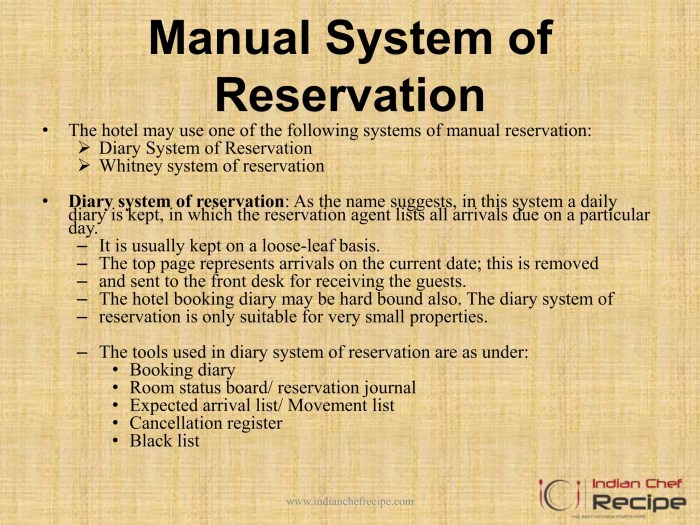
Booking a hotel doesn’t always mean relying on the big online travel agencies (OTAs). There are several avenues you can explore to potentially find better deals or a more personalized experience. Understanding the pros and cons of each method will help you choose the best strategy for your travel needs. This section will compare and contrast booking through OTAs, directly with the hotel, and using metasearch engines, as well as discussing the roles of travel agents and direct negotiation.
Choosing between online travel agencies (OTAs), booking directly with the hotel, and using metasearch engines involves weighing various factors. Each method offers unique advantages and disadvantages in terms of price, convenience, flexibility, and access to amenities.
Comparing Booking Methods
Online Travel Agencies (OTAs) like Expedia, Booking.com, and Kayak offer a vast selection of hotels, often with competitive prices and user-friendly interfaces. However, you might miss out on hotel-specific deals or perks, and cancellation policies can be less flexible. Booking directly with the hotel often guarantees the best price and access to exclusive amenities or loyalty programs. However, it requires more research and might involve less convenient payment options. Metasearch engines, such as Google Hotels, compare prices across multiple OTAs and hotel websites, saving you the effort of searching each site individually. However, they don’t always show every available option and might not provide direct booking capabilities. Ultimately, the best method depends on your priorities and the specific hotel and travel dates.
Negotiating Hotel Rates Directly
Negotiating a hotel rate directly with the hotel can be surprisingly effective, especially during off-season or for extended stays. Begin by researching the hotel’s current rates online. Then, contact the hotel directly via phone or email, clearly stating your desired dates, room type, and the rate you’ve found elsewhere. Politely inquire about potential discounts or special offers. Highlighting your loyalty to a particular hotel chain or your willingness to book a longer stay can increase your chances of success.
Sample Email for Negotiating Hotel Rates
Subject: Rate Inquiry – [Your Name] – [Dates of Stay]
Dear [Hotel Name] Reservations,
I am writing to inquire about booking a room at your hotel from [Arrival Date] to [Departure Date]. I am interested in a [Room Type] room. I have seen rates online for approximately $[Price] per night, but I was hoping to inquire about any potential discounts or special offers you might have available. I am a frequent traveler and [mention any relevant loyalty programs or past stays].
Thank you for your time and consideration. I look forward to hearing from you soon.
Sincerely,
[Your Name]
[Your Phone Number]
[Your Email Address]
Utilizing Travel Agents
Travel agents offer expertise and personalized service, handling the complexities of booking hotels and other travel arrangements. They can access exclusive deals and packages often unavailable to individual travelers. Their knowledge of various destinations and hotel options can be invaluable, especially for complex or luxury trips. While their services often come with a fee, the time and effort they save can be worth the cost for those who prefer a hassle-free booking experience. They also act as a point of contact for any issues that may arise during your stay.
Evaluating Hotel Reviews and Ratings
Source: setupmyhotel.com
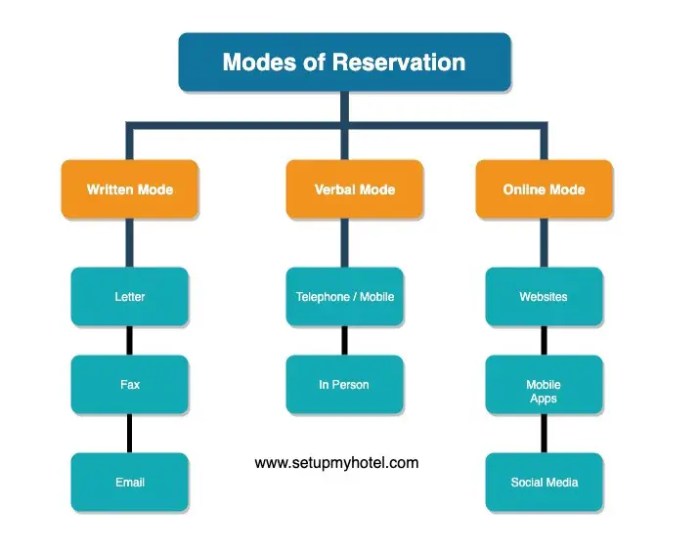
Hotel reviews are invaluable tools for discerning travelers, offering a glimpse into the actual guest experience beyond the polished marketing materials. However, navigating the world of online reviews requires a critical eye, as not all reviews are created equal. Understanding how to assess the reliability and objectivity of reviews is crucial for making informed booking decisions.
Effectively evaluating hotel reviews involves more than simply looking at the star rating. It requires analyzing the content of individual reviews, identifying potential biases, and understanding how different rating systems operate. By employing a combination of critical thinking and savvy review analysis, you can significantly improve your chances of selecting a hotel that truly meets your expectations.
Identifying Bias and Inaccuracies in Hotel Reviews
Review platforms are susceptible to both positive and negative biases. For instance, a glowing review might be from a friend of the hotel owner, while an overly harsh critique might stem from an unrealistic expectation or a personal issue unrelated to the hotel itself. Look for inconsistencies. Does the reviewer mention specific details supporting their claims, or are they vague and generalized? A review stating “the hotel was terrible” offers little useful information compared to one detailing specific problems, like a malfunctioning air conditioner or unresponsive staff. Pay attention to the language used. Excessively emotional or inflammatory language (“horrible,” “disgusting”) can indicate bias. Conversely, overly positive and generic comments (“amazing,” “perfect”) may be suspect. Compare multiple reviews on different platforms (TripAdvisor, Booking.com, Expedia) to gain a broader perspective. Extreme discrepancies between platforms might suggest manipulation or a limited number of genuine reviews. For example, if a hotel has overwhelmingly positive reviews on one platform and mostly negative ones on another, further investigation might be needed.
Interpreting Different Rating Systems
Different platforms use varying rating systems, often on a scale of 1 to 5 stars. While a 4-star rating generally suggests a good hotel, the interpretation can vary depending on the platform’s algorithm and the specific hotel’s target audience. A 4-star hotel in a luxury chain might offer different amenities and services than a 4-star boutique hotel. Consider the distribution of ratings. A hotel with many 4 and 5-star reviews but a few 1-star reviews might be a better choice than one with a consistent 3-star average, suggesting a more predictable, albeit less exceptional, experience. Here’s a sample rating scale to illustrate:
| Rating | Description |
|---|---|
| 5 Stars | Exceptional; exceeded expectations in all aspects. |
| 4 Stars | Very Good; minor issues, but overall a positive experience. |
| 3 Stars | Average; met expectations, but no outstanding features. |
| 2 Stars | Below Average; significant issues impacting the stay. |
| 1 Star | Poor; unacceptable conditions and significant problems. |
Identifying Genuine Reviews from Fake or Promotional Ones, Best way to book hotels
Fake reviews, whether positive or negative, can significantly skew your perception of a hotel. Look for reviews that lack detail or are excessively generic. Genuine reviews often include specific details about the room, amenities, or staff interactions. Check the reviewer’s profile. A newly created profile with only one review for a specific hotel might be suspicious. Similarly, a profile with many reviews for hotels in different countries within a short period could suggest a fake account. Pay attention to the writing style. Poor grammar, spelling errors, or unnatural phrasing could indicate a fake review written by someone whose native language is not English, or by a bot. Some platforms use algorithms to detect fake reviews, flagging suspicious activity. Look for any indicators that a platform has taken action against fake reviews. For example, TripAdvisor might note that they have removed certain reviews or altered their algorithm to combat fake reviews. Always consider the overall picture; don’t rely on a single review to make your decision.
Managing Your Booking and Trip

Source: theworldorbust.com
Securing your hotel reservation is just the first step! Successfully managing your booking and ensuring a smooth trip requires attention to detail and proactive planning. This section will guide you through confirming your booking, making changes if needed, and creating a helpful travel itinerary.
Successfully navigating your hotel booking and trip requires a few key steps after you’ve made your reservation. This includes verifying all details, understanding the cancellation policy, and planning your itinerary to maximize your time. Let’s dive in.
Hotel Booking Confirmation Checklist
Before you pack your bags, double-check your booking to avoid any surprises. This simple checklist ensures everything is in order.
- Confirmation Number: Verify you have received a confirmation email or booking reference number from the hotel or booking website.
- Dates and Length of Stay: Check that the arrival and departure dates are correct and match your plans.
- Guest Names: Ensure all guest names are spelled correctly as they appear on identification.
- Room Type and Amenities: Confirm the type of room booked (e.g., king bed, double bed, suite) and any included amenities (e.g., breakfast, Wi-Fi).
- Total Cost and Payment Details: Verify the total cost, including taxes and fees, and confirm the payment method used.
- Cancellation Policy: Understand the hotel’s cancellation policy, including any deadlines and potential fees.
- Contact Information: Ensure the hotel has your correct contact information (email address and phone number).
Making Changes or Cancellations
Need to adjust your travel plans? Most hotels allow you to modify or cancel your booking, but it’s crucial to understand the process and any associated fees. Typically, you can manage your booking through the booking website or by contacting the hotel directly. Always check the cancellation policy before making changes. Late cancellations or modifications may incur penalties. Contacting the hotel directly allows for more personalized assistance, particularly if you encounter difficulties managing your booking online.
Sample Travel Itinerary
A well-structured itinerary helps keep your trip organized. Here’s an example using a table format:
| Date | Time | Activity | Location |
|---|---|---|---|
| October 26, 2024 | 14:00 | Arrive at Airport | JFK Airport, New York |
| October 26, 2024 | 16:00 | Check-in to Hotel | The Plaza Hotel, New York |
| October 27, 2024 | 08:00 | Breakfast | Hotel Restaurant |
| October 27, 2024 | 09:00 | Visit Times Square | Times Square, New York |
| October 28, 2024 | 11:00 | Check-out from Hotel | The Plaza Hotel, New York |
| October 28, 2024 | 13:00 | Depart from Airport | JFK Airport, New York |
Ultimate Conclusion
Source: slidesharecdn.com
Booking hotels shouldn’t be stressful; it should be exciting! By mastering the techniques Artikeld in this guide – from utilizing smart search strategies and loyalty programs to critically evaluating reviews and negotiating rates – you’ll transform the hotel booking process from a chore into an adventure. Remember to compare prices across different platforms, read reviews carefully, and always double-check your booking details. Happy travels!