Fine Hotels and Resorts A Luxury Deep Dive
Fine hotels and resorts offer more than just a place to stay; they curate experiences. From the moment you step inside, you’re enveloped in an atmosphere of unparalleled luxury, personalized service, and meticulous attention to detail. This exploration delves into the world of high-end hospitality, examining what defines these exceptional establishments, who patronizes them, and the competitive landscape they navigate. We’ll uncover the secrets behind their success, the innovative technologies they employ, and their growing commitment to sustainability.
We’ll cover everything from the defining characteristics of a “fine hotel” versus a “fine resort” – considering location, culture, and service levels – to the sophisticated marketing strategies used to reach discerning clientele. We’ll also analyze the competitive landscape, showcasing leading players and their unique selling propositions, while exploring the impact of technology and sustainability on the industry’s future.
Defining “Fine Hotels and Resorts”
Source: alamy.com
Fine hotels and resorts represent the pinnacle of the hospitality industry, offering unparalleled luxury, exceptional service, and memorable experiences. They cater to discerning travelers seeking more than just accommodation; they desire a curated journey that elevates their stay to an art form. The distinction between a “fine hotel” and a “fine resort” lies primarily in the scope of the experience offered.
Defining Fine Hotels and Fine Resorts
A fine hotel typically focuses on providing luxurious accommodations and exceptional service within a city or urban setting. Key characteristics include impeccably designed rooms and suites, outstanding dining options (often with Michelin-starred restaurants or renowned chefs), a comprehensive spa and wellness center, and attentive, personalized service. Examples include The Peninsula Hotels (various locations) known for their classic elegance and impeccable service, or The Ritz-Carlton (various locations) renowned for its commitment to personalized guest experiences. In contrast, a fine resort typically offers a broader range of amenities and activities, often situated in scenic or secluded locations. These may include multiple dining venues, extensive recreational facilities (golf courses, pools, water sports, etc.), private beaches or access to nature, and a focus on relaxation and rejuvenation. Examples include The Brando in French Polynesia, offering unparalleled luxury in a pristine environment, or the Four Seasons Resort Bora Bora, celebrated for its overwater bungalows and stunning lagoon views.
Geographical and Cultural Variations in Fine Hotels and Resorts
The characteristics of fine hotels and resorts vary significantly depending on their geographical location and the prevailing culture. For example, a fine hotel in Japan might emphasize traditional aesthetics and impeccable service, incorporating elements of Zen gardens and onsen (hot springs) into its design and amenities. In contrast, a fine hotel in Marrakech might feature opulent Moroccan design, intricate tilework, and a focus on vibrant cultural experiences, including traditional cooking classes or guided tours of local souks. Resorts in the Caribbean often emphasize relaxation and water activities, while those in the Swiss Alps might highlight skiing, snowboarding, and other winter sports. These variations reflect the unique cultural heritage and natural beauty of each location.
Service Levels and Amenities in Fine Hotels and Resorts
Fine hotels and resorts typically offer a wide array of services and amenities designed to exceed guest expectations. These can include 24-hour concierge services, personalized butler service, private transportation, exclusive access to events and activities, curated experiences tailored to individual preferences, and exceptional dining experiences. Amenities might encompass state-of-the-art fitness centers, luxurious spas with a range of treatments, multiple swimming pools, private beaches, golf courses, and extensive meeting and event facilities. The level of service and amenities offered often reflects the hotel’s or resort’s star rating and price point.
Classification System for Fine Hotels and Resorts
A classification system for fine hotels and resorts could be based on several key criteria, including:
| Criterion | Levels | Description |
|---|---|---|
| Star Rating | 5-star, 4-star, 5-star luxury | Industry-standard rating based on overall quality and amenities. 5-star luxury denotes an exceptional level of luxury and service. |
| Price Range | Budget (rare for fine establishments), Mid-range luxury, High-end luxury, Ultra-luxury | Categorizes hotels and resorts based on nightly room rates. Ultra-luxury properties typically command exceptionally high prices. |
| Amenities | Basic, Extensive, Comprehensive | Reflects the range of facilities and services provided. Comprehensive amenities would include a wide array of options, such as multiple dining venues, a full-service spa, private beach access, and various recreational facilities. |
This system provides a framework for classifying fine hotels and resorts based on their overall quality, price point, and range of amenities, allowing travelers to easily compare and select accommodations that best suit their needs and preferences.
Target Audience and Market Segmentation
Source: travelwithmassi.com
Understanding the target audience is crucial for the success of any fine hotel and resort. These establishments cater to a discerning clientele with specific needs and expectations, requiring a sophisticated marketing approach that goes beyond basic demographics. Effective segmentation allows for tailored services and targeted marketing campaigns, maximizing return on investment.
The typical guest at a fine hotel or resort is affluent, well-educated, and appreciates luxury and exceptional service. However, this broad stroke needs further refinement. Psychographically, these guests often value experiences over mere possessions, seeking unique and memorable stays. They may prioritize privacy, personalized attention, and access to exclusive amenities. Their travel motivations vary widely, influencing their choice of hotel and the services they seek.
Key Demographic and Psychographic Characteristics
Affluent individuals, typically high-net-worth individuals (HNWIs) or ultra-high-net-worth individuals (UHNWIs), form the core demographic. Age ranges are diverse, spanning from young professionals celebrating milestones to retirees seeking luxurious relaxation. Education levels are generally high, reflecting a sophisticated understanding of luxury goods and services. Professionally, this group encompasses entrepreneurs, executives, and professionals in high-paying fields. Psychographically, they value exclusivity, personalized service, and unique experiences. They are often discerning travelers who appreciate authenticity and seek out hotels that reflect their personal values and lifestyle.
Market Segments within the Fine Hotels and Resorts Industry
The fine hotel and resort market isn’t monolithic. Several distinct segments exist, each requiring a unique marketing approach.
- Business Travelers: This segment prioritizes efficiency, connectivity, and high-quality business amenities. They seek convenient locations, reliable Wi-Fi, and well-equipped business centers. Marketing should emphasize these features, along with seamless service and the ability to enhance productivity.
- Leisure Travelers: This group is highly diverse, encompassing couples seeking romantic getaways, families looking for luxurious vacations, and solo travelers seeking relaxation and exploration. Marketing materials should highlight the unique experiences offered, such as spa treatments, gourmet dining, and access to local attractions. Targeting specific interests within this segment (e.g., adventure travel, wellness tourism) is key.
- Families: Families traveling in luxury often seek spacious accommodations, kid-friendly amenities, and engaging activities for all ages. Marketing should showcase family-oriented services, such as babysitting, kids’ clubs, and family-friendly dining options. Highlighting the safety and security of the resort is also crucial.
Examples of Successful Marketing Strategies Targeting Specific Segments
Several luxury hotel chains effectively target specific segments. For instance, Four Seasons Hotels and Resorts often use sophisticated digital marketing campaigns, showcasing personalized experiences and highlighting the unique aspects of each location to appeal to leisure travelers. Ritz-Carlton, known for its exceptional service, leverages personalized pre-arrival communication and in-stay experiences to build strong relationships with both business and leisure guests. The Peninsula Hotels effectively utilize content marketing, showcasing the hotel’s history, culture, and unique offerings to appeal to a more sophisticated and discerning clientele.
Comparative Analysis of Marketing Approaches Used by Different Luxury Hotel Chains
| Hotel Chain | Marketing Focus | Target Segment | Key Strategies |
|---|---|---|---|
| Four Seasons | Experiential luxury, personalized service | Leisure and business travelers | Digital marketing, social media engagement, personalized email campaigns |
| Ritz-Carlton | Exceptional service, personalized attention | High-net-worth individuals | Relationship building, pre-arrival communication, concierge services |
| The Peninsula | Sophisticated luxury, cultural immersion | Discerning travelers | Content marketing, partnerships with luxury brands, emphasis on unique experiences |
Competitive Landscape: Fine Hotels And Resorts
Source: antonovich-design.ae
The fine hotels and resorts sector is fiercely competitive, with established luxury brands vying for market share against newer entrants and independent properties. Success hinges on a compelling value proposition, effective marketing, and the ability to adapt to evolving consumer preferences. Understanding the competitive landscape is crucial for any player aiming to thrive in this market.
Competitive Analysis of Leading Fine Hotels and Resorts
The following table provides a snapshot of some leading players, highlighting their unique selling propositions and target markets. Note that this is not an exhaustive list, and the competitive landscape is constantly shifting.
| Hotel Name | Location(s) | Unique Selling Proposition | Target Market |
|---|---|---|---|
| Four Seasons Hotels and Resorts | Global | Exceptional service, personalized experiences, consistent high quality across properties. | Affluent travelers seeking luxury and impeccable service. |
| The Ritz-Carlton | Global | Elegant and sophisticated atmosphere, personalized service, focus on curated experiences. | Discerning travelers valuing luxury, tradition, and impeccable service. |
| Aman Resorts | Global (select locations) | Secluded and luxurious retreats, emphasizing serenity and privacy. | High-net-worth individuals seeking ultimate privacy and tranquility. |
| The Peninsula Hotels | Major cities globally | Modern luxury with a focus on technology and personalized service, often in prime city locations. | Sophisticated travelers who value both luxury and convenience. |
| Belmond Hotels & Trains | Global (iconic locations) | Unique and historic properties in desirable locations, offering bespoke experiences. | Luxury travelers seeking unique and memorable experiences in iconic destinations. |
Strengths and Weaknesses of Major Competitors
Each major player possesses unique strengths and faces specific weaknesses. For example, Four Seasons excels in consistent quality and service across its global portfolio, but might be perceived as less unique or distinctive than some boutique competitors. Aman Resorts, known for its exclusive and tranquil properties, may have limited accessibility due to its smaller number of locations and higher price point. Smaller, independent luxury hotels might lack the brand recognition and global reach of larger chains but often offer a more personalized and intimate experience.
Pricing Strategies in the Luxury Hotel Sector
Luxury hotel brands employ a variety of pricing strategies, often adapting them to seasonality, demand, and specific market conditions. Many utilize dynamic pricing, adjusting rates based on real-time occupancy and demand. Others may offer packages or promotions to attract specific customer segments or fill capacity during off-peak seasons. Some brands maintain consistently high prices, leveraging their reputation and exclusivity, while others might offer a range of room categories to cater to a broader spectrum of budgets within the luxury segment. For example, a suite at a Four Seasons might cost significantly more than a standard room, allowing them to cater to a range of luxury budgets.
Impact of Emerging Trends
Sustainable tourism and technological advancements are significantly impacting the competitive landscape. Consumers are increasingly prioritizing eco-friendly practices, leading many luxury hotels to invest in sustainable initiatives like renewable energy, waste reduction, and local sourcing. Technological advancements, such as personalized mobile check-in, AI-powered concierge services, and smart room technology, enhance guest experience and operational efficiency. Hotels that fail to adapt to these trends risk falling behind competitors who prioritize sustainability and leverage technology effectively. For example, the rise of eco-lodges and sustainable resorts demonstrates the increasing demand for environmentally conscious travel, putting pressure on traditional luxury hotels to adopt similar practices.
Luxury Experiences and Amenities
Source: prlog.org
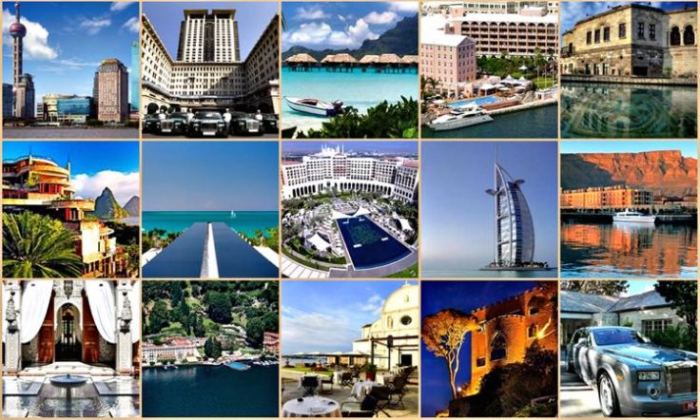
Fine hotels and resorts go beyond simply providing accommodation; they curate unforgettable experiences that pamper guests and create lasting memories. This involves a sophisticated blend of high-quality amenities, personalized service, and meticulously designed spaces. The goal is to exceed expectations and provide a level of comfort and luxury rarely found elsewhere.
Types of Luxury Experiences
Luxury experiences offered by fine hotels and resorts are diverse and cater to a wide range of preferences. These experiences aim to create a sense of indulgence and rejuvenation. They often revolve around wellness, culinary delights, and personalized attention.
- Spa Treatments: World-class spas offer a comprehensive menu of treatments, including massages, facials, body wraps, and hydrotherapy. These services often utilize high-end products and techniques, focusing on relaxation and rejuvenation.
- Gourmet Dining: Fine dining restaurants within the hotel offer exquisite cuisine prepared by renowned chefs. These restaurants often feature locally sourced ingredients, innovative menus, and an elegant ambiance.
- Personalized Services: This encompasses a range of bespoke services tailored to individual guest needs. Examples include private butlers, customized itineraries, in-room dining, and 24-hour concierge services. The level of personalization aims to anticipate and fulfill guest requests before they are even voiced.
- Exclusive Activities: Many resorts offer curated experiences such as private yacht charters, helicopter tours, exclusive access to local events, and guided excursions to nearby attractions.
Luxury Hotel Room and Suite Design and Functionality
The design and functionality of luxury hotel rooms and suites are crucial to the overall guest experience. These spaces are designed to be havens of comfort and elegance, blending sophistication with practicality.
Room size is a key differentiator, with suites often exceeding 1,000 square feet and featuring multiple rooms, including separate living areas, dining areas, and even private studies. Amenities are abundant and include high-thread-count linens, plush bathrobes and slippers, premium toiletries, state-of-the-art entertainment systems (large screen TVs, high-speed internet), and well-stocked minibars. The decor is typically sophisticated and elegant, using high-quality materials and tasteful furnishings. Think bespoke furniture, handcrafted artwork, and luxurious textiles. The overall design aims to create a sense of calm and tranquility, fostering a relaxing and rejuvenating atmosphere.
Innovative Amenities and Services
Leading fine hotels and resorts constantly strive to innovate and offer unique amenities and services that set them apart from the competition.
- Smart Room Technology: This includes features such as voice-activated controls for lighting, temperature, and entertainment systems, along with personalized in-room digital experiences.
- Virtual Reality Experiences: Some hotels offer VR experiences that allow guests to explore virtual destinations or participate in interactive games and simulations from the comfort of their room.
- Personalized Wellness Programs: Beyond standard spa treatments, some resorts offer customized wellness programs based on individual guest needs and preferences, incorporating fitness, nutrition, and mindfulness techniques.
- Sustainable Practices: Increasingly, luxury hotels are incorporating sustainable practices, such as using locally sourced food, reducing water and energy consumption, and implementing recycling programs, appealing to environmentally conscious travelers.
Unique Selling Propositions (USPs)
The following bullet points highlight some key USPs that differentiate fine hotels and resorts from their competitors:
- Unparalleled Service: A commitment to personalized, anticipatory service that caters to every guest need.
- Exceptional Amenities: Offering a wide array of high-quality amenities, exceeding guest expectations.
- Exclusive Experiences: Providing access to unique and curated experiences not available elsewhere.
- Exceptional Location: Strategically located in desirable destinations with breathtaking views or convenient access to attractions.
- Impeccable Design and Decor: Showcasing sophisticated and elegant design, creating a luxurious and memorable stay.
Brand Building and Reputation Management
Source: bobobox.com
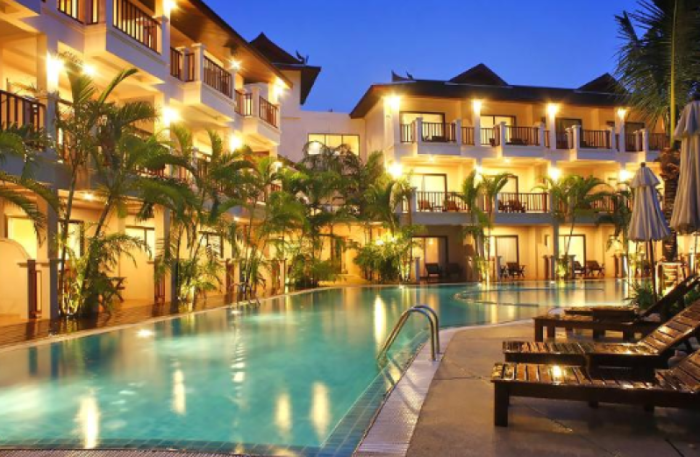
In the fiercely competitive world of fine hotels and resorts, a strong brand and impeccable reputation are paramount to success. Building a recognizable and desirable brand isn’t just about pretty logos and catchy slogans; it’s about consistently delivering exceptional experiences that resonate with guests and foster loyalty. Equally crucial is proactively managing online reputation, as customer reviews and social media chatter significantly influence potential guests’ booking decisions.
Online reviews and social media platforms have fundamentally reshaped how customers perceive and interact with luxury brands. The ease with which guests can share their experiences – both positive and negative – has amplified the importance of reputation management. A single negative review can spread rapidly, potentially damaging a hotel’s reputation and impacting occupancy rates. Conversely, positive reviews and engaging social media content can build trust and attract new clientele.
The Role of Online Reviews and Social Media
Online reviews on platforms like TripAdvisor, Google Reviews, and Booking.com act as powerful word-of-mouth marketing tools. They directly impact a hotel’s search engine rankings and influence booking decisions. Social media platforms like Instagram, Facebook, and TikTok offer opportunities to showcase a hotel’s unique features, amenities, and overall brand aesthetic through visually appealing content. Active engagement with guests on social media, responding to comments and inquiries promptly and professionally, further strengthens brand perception. Ignoring negative reviews or failing to address customer concerns online can severely damage a hotel’s reputation. Conversely, proactive and thoughtful responses demonstrate a commitment to guest satisfaction and can turn negative experiences into positive ones.
Successful Brand Building Strategies
The Ritz-Carlton, for example, has cultivated a reputation for exceptional service and personalized experiences, consistently exceeding guest expectations. Their brand is synonymous with luxury, elegance, and impeccable service, built over decades of delivering on their promise. Four Seasons Hotels and Resorts focus on creating a sense of home away from home, emphasizing personalized attention and creating memorable moments for their guests. Their brand resonates with discerning travelers who value comfort, convenience, and personalized service. These successful brands invest heavily in employee training, ensuring that every staff member embodies the brand values and contributes to a seamless guest experience. They also leverage targeted marketing campaigns and collaborations with luxury brands to further enhance their brand image and reach their target audience.
Handling Negative Feedback and Maintaining a Positive Online Reputation
A robust reputation management strategy involves actively monitoring online reviews and social media mentions. Promptly addressing negative reviews is crucial. This involves acknowledging the guest’s concerns, apologizing sincerely for any shortcomings, and offering a solution or compensation. Publicly addressing negative feedback demonstrates transparency and a commitment to resolving issues. Furthermore, engaging with positive reviews by thanking guests for their feedback helps to reinforce positive brand sentiment. Hotels should also utilize social listening tools to track brand mentions and identify potential issues before they escalate. Proactive reputation management involves not just reacting to negative feedback but also actively seeking opportunities to showcase positive experiences and build a strong online community around the brand.
Technological Integration in Luxury Hospitality
Source: finehotels.in
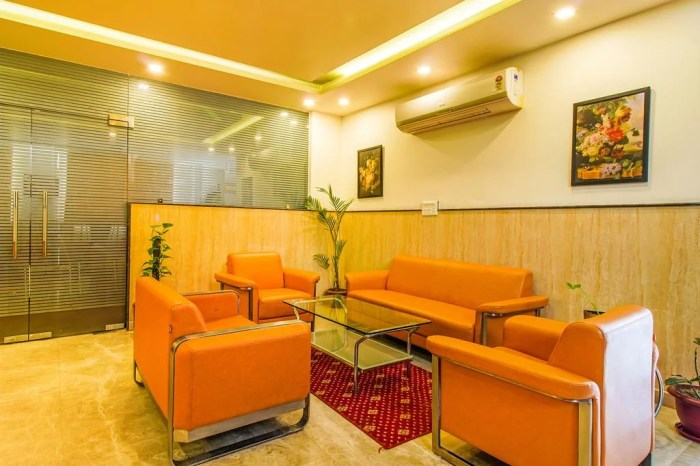
The luxury hospitality sector is undergoing a significant transformation driven by technological advancements. Integrating technology isn’t just about keeping up with the times; it’s about enhancing the guest experience, streamlining operations, and ultimately, driving profitability and loyalty. This involves a strategic blend of seamlessly integrated systems and innovative solutions designed to cater to the discerning expectations of high-end travelers.
Technology’s role extends far beyond simple conveniences. It allows for hyper-personalization, anticipatory service, and operational efficiencies that were unimaginable just a few years ago. This creates a virtuous cycle: satisfied guests become loyal patrons, leading to increased revenue and a stronger brand reputation.
Guest Experience Enhancement Through Technology
Fine hotels and resorts are leveraging technology to create a more personalized and convenient guest journey. Mobile check-in and check-out, for instance, eliminate long queues and allow guests to manage their stay directly from their smartphones. Personalized recommendations, powered by AI-driven systems analyzing guest preferences and past behavior, ensure a tailored experience, from suggesting dining options to recommending local attractions. In-room tablets offer intuitive control over lighting, temperature, and room service, adding to the sense of personalized comfort and ease. Smart room features, such as voice-activated assistants, allow guests to seamlessly control aspects of their stay with simple voice commands, enhancing convenience and creating a futuristic feel.
Technology for Operational Efficiency and Cost Reduction
Beyond the guest-facing aspects, technology plays a crucial role in optimizing hotel operations and reducing costs. Property Management Systems (PMS) integrate various hotel functions, from reservations and billing to housekeeping and maintenance, streamlining processes and minimizing errors. Revenue Management Systems (RMS) use sophisticated algorithms to optimize pricing strategies, maximizing occupancy and revenue. AI-powered chatbots handle routine guest inquiries, freeing up staff to focus on more complex issues and personalized service. Predictive maintenance systems, using sensor data to identify potential equipment failures, help prevent costly downtime and ensure smooth operations. These technologies contribute to significant cost savings in the long run by increasing efficiency and reducing manual labor.
Innovative Technological Solutions in Leading Luxury Hotels
Several luxury hotel chains are at the forefront of technological innovation. For example, the Four Seasons uses a sophisticated system that allows guests to customize their room preferences before arrival, from preferred pillow types to specific amenities. The Ritz-Carlton utilizes AI-powered chatbots to anticipate guest needs and proactively address potential issues. Many high-end hotels are implementing biometric security systems for enhanced guest safety and streamlined access. These are just a few examples of how leading hotels are leveraging technology to elevate the guest experience and enhance operational efficiency.
Hypothetical Technological Solution for Enhanced Guest Satisfaction and Loyalty
A hypothetical solution could involve a comprehensive, integrated platform that leverages AI and machine learning to create a truly personalized and anticipatory guest experience. This platform would learn guest preferences over time, anticipating their needs before they even express them. For example, if a guest frequently orders a specific type of coffee, the system could automatically ensure it’s available in their room each morning. If a guest consistently enjoys a particular type of cuisine, the system could proactively suggest similar restaurants in the vicinity. Furthermore, the platform could track guest feedback and sentiment, allowing the hotel to address issues proactively and prevent negative reviews. This anticipatory, personalized service would foster a sense of exceptional care and significantly enhance guest satisfaction and loyalty.
Sustainability and Social Responsibility
Source: idntimes.com
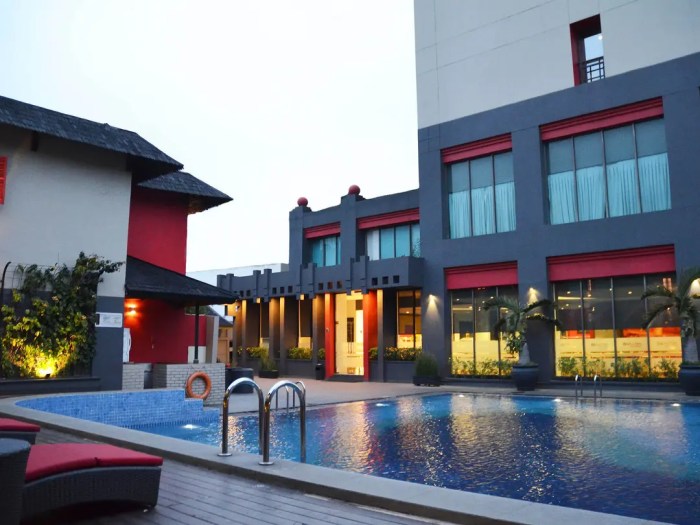
The luxury hospitality sector is facing increasing pressure to adopt sustainable and socially responsible practices. Consumers, particularly the affluent clientele that fine hotels and resorts target, are increasingly conscious of environmental and social issues and are actively seeking out businesses that align with their values. Ignoring these concerns can damage a brand’s reputation and ultimately impact profitability. This shift towards responsible luxury is not just a trend; it’s a fundamental change in consumer expectations and a necessary step towards a more sustainable future.
Sustainability and social responsibility are no longer optional extras for luxury hotels; they are becoming integral to their brand identity and operational strategy. Leading hotels are recognizing that integrating sustainable practices is not only ethically sound but also a smart business decision, offering opportunities for cost savings, enhanced brand image, and increased guest loyalty.
Sustainable Practices in Leading Hotels, Fine hotels and resorts
Many leading fine hotels and resorts are already implementing innovative sustainable practices. For example, the Four Seasons Hotels and Resorts have a global sustainability program focused on reducing energy and water consumption, minimizing waste, and sourcing local and sustainable food products. Similarly, the Ritz-Carlton Hotel Company has implemented initiatives like carbon footprint reduction programs and community engagement projects. These initiatives are not just about ticking boxes; they are integrated into the core operations and guest experience, demonstrating a genuine commitment to sustainability. The Fairmont Hotels & Resorts have long been known for their commitment to environmental stewardship, incorporating elements such as wildlife conservation programs and the reduction of plastic waste in their operations.
Environmental and Business Benefits of Sustainable Practices
Adopting sustainable practices offers numerous benefits for both the environment and the business. Environmentally, these practices contribute to reducing carbon emissions, conserving water and energy, minimizing waste, and protecting biodiversity. From a business perspective, sustainability initiatives can lead to cost savings through reduced energy and water consumption, increased operational efficiency, and a stronger brand reputation. Furthermore, attracting environmentally conscious guests, who are often willing to pay a premium for sustainable options, leads to improved occupancy rates and revenue generation. The positive publicity associated with sustainable practices can also enhance a hotel’s brand image and attract top talent, fostering a positive work environment.
Checklist of Sustainable Initiatives
Implementing sustainable practices requires a strategic approach. Here’s a checklist of initiatives that fine hotels and resorts can consider:
- Energy Efficiency: Invest in energy-efficient appliances, lighting, and building management systems. Implement programs to encourage energy conservation among staff and guests.
- Water Conservation: Install low-flow fixtures, implement water recycling systems, and educate guests on water-saving practices.
- Waste Reduction: Implement comprehensive waste management programs, including composting, recycling, and reducing single-use plastics. Source locally produced and sustainable food products to reduce transportation emissions and support local communities.
- Sustainable Sourcing: Prioritize sourcing materials and products from sustainable and responsible suppliers, ensuring fair labor practices and environmental protection.
- Community Engagement: Support local communities through charitable donations, partnerships, and volunteer programs. Partner with local businesses to source goods and services.
- Carbon Offset Programs: Invest in carbon offset projects to neutralize the hotel’s carbon footprint. This can include supporting renewable energy projects or reforestation initiatives.
- Guest Education: Educate guests about the hotel’s sustainability initiatives and encourage them to participate in eco-friendly practices.
Final Thoughts

Source: americanexpress.com
The world of fine hotels and resorts is a dynamic blend of luxury, innovation, and a commitment to exceptional guest experiences. Understanding the intricacies of this market, from brand building and reputation management to the integration of cutting-edge technology and sustainable practices, is key to success. By carefully considering target audiences, competitive pressures, and evolving consumer expectations, these establishments continue to redefine the boundaries of hospitality, offering unforgettable journeys and lasting memories for their discerning guests. The future of luxury hospitality promises even more personalized experiences, seamless technology integration, and a greater focus on responsible tourism.