Fine Hotels Resorts A Luxury Exploration
Fine Hotels Resorts represent the pinnacle of luxury travel, offering unparalleled experiences that blend exquisite accommodations with exceptional service. This exploration delves into the defining characteristics of these establishments, examining their geographic distribution, amenities, target audiences, and the growing importance of sustainability and technological integration. We’ll uncover what sets them apart, from unique amenities to innovative marketing strategies, and paint a picture of the ultimate luxury getaway.
From the meticulously crafted architecture and lavish décor to the personalized service and curated experiences, fine hotels and resorts cater to discerning travelers seeking more than just a place to stay; they seek an escape, a rejuvenation, and a truly unforgettable experience. We will examine the factors that contribute to the success of these establishments, exploring everything from their strategic locations to their sophisticated marketing approaches.
Defining “Fine Hotels & Resorts”
Source: americanexpress.com
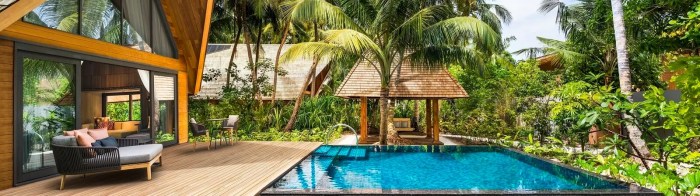
Fine hotels and resorts represent the pinnacle of the hospitality industry, offering unparalleled luxury and exceptional experiences. They cater to discerning travelers seeking more than just accommodation; they desire an immersive and memorable stay. While both offer high-end services, there are key distinctions between a fine hotel and a fine resort.
A fine hotel typically focuses on providing luxurious accommodation and impeccable service within a city or urban setting. Amenities might include gourmet restaurants, sophisticated bars, state-of-the-art fitness centers, and personalized concierge services. The emphasis is on refined elegance and convenience, often appealing to business travelers and sophisticated leisure guests. A fine resort, on the other hand, emphasizes leisure and recreation, usually situated in scenic locations such as beaches, mountains, or golf courses. They often include extensive amenities such as multiple restaurants, spas, swimming pools, golf courses, and a wide array of recreational activities. The target clientele is typically leisure travelers seeking relaxation, adventure, or a combination of both.
Luxury Aspects of Fine Hotels and Resorts
Luxury in fine hotels and resorts extends beyond simply providing expensive amenities. It’s a holistic experience encompassing meticulous service, exceptional attention to detail, and an atmosphere of exclusivity. This includes highly trained staff anticipating guests’ needs, personalized services tailored to individual preferences, and luxurious amenities that enhance comfort and relaxation. The target clientele for these establishments are affluent individuals and families seeking premium experiences, often willing to pay a significant premium for exceptional quality and service. Examples of luxury aspects include 24-hour butler service, private villas with personal chefs, access to exclusive experiences such as private yacht excursions or helicopter tours, and unparalleled levels of personalized attention.
Classification System for Fine Hotels and Resorts
The following table provides a classification system for fine hotels and resorts, categorizing them based on price point, location, and brand reputation. This system is not exhaustive but offers a general framework for understanding the varying levels of luxury within the industry.
| Category | Defining Characteristics | Price Range (per night) | Example Brands |
|---|---|---|---|
| Luxury Boutique Hotels | Intimate settings, personalized service, unique design, often located in city centers. | $500 – $2000+ | The Little Nell (Aspen), Hotel Costes (Paris), Gramercy Park Hotel (New York) |
| Five-Star City Hotels | Impeccable service, extensive amenities, prime city locations, often part of large hotel chains. | $800 – $5000+ | Four Seasons, Ritz-Carlton, Mandarin Oriental |
| Luxury Resorts | Extensive amenities, scenic locations, focus on leisure and recreation, often all-inclusive options. | $1000 – $10000+ | Four Seasons Resort (various locations), The St. Regis (various locations), Aman Resorts |
| Ultra-Luxury Resorts | Exceptional privacy, exclusive experiences, personalized service exceeding expectations, often private villas or secluded locations. | $5000+ | Burj Al Arab Jumeirah (Dubai), Laucala Island Resort (Fiji), The Brando (French Polynesia) |
Geographic Distribution of Fine Hotels & Resorts
Source: expresscompanynetwork.com
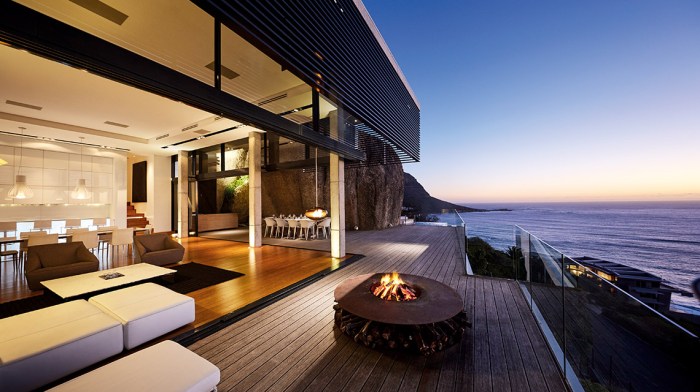
Fine hotels and resorts aren’t randomly scattered across the globe; their locations are carefully chosen to maximize appeal to discerning travelers. Strategic placement considers a blend of factors, creating a fascinating geographical pattern of luxury accommodation. Understanding this distribution reveals insights into the industry and the preferences of its clientele.
The concentration of fine hotels and resorts is heavily skewed towards certain regions globally. These locations offer a compelling combination of factors attracting both developers and high-end travelers.
Top Global Regions for Fine Hotels & Resorts
Several regions consistently rank among the top destinations for luxury hotels and resorts. These areas offer a unique blend of natural beauty, cultural richness, and accessibility, all crucial elements for attracting affluent travelers seeking exclusive experiences. The concentration isn’t uniform, with some areas boasting a higher density of luxury establishments than others.
- Europe: Regions like the French Riviera, the Amalfi Coast in Italy, and the Swiss Alps consistently attract luxury development. The historical significance, stunning landscapes, and well-established infrastructure make them highly desirable.
- Asia: Southeast Asia (particularly Thailand, Bali, and Singapore) and parts of Japan showcase a rapidly growing luxury hospitality sector. These areas attract visitors with their unique cultural experiences, tropical settings, and increasingly sophisticated infrastructure.
- North America: Coastal areas like California, Florida, and the Caribbean islands, as well as mountain resorts in Colorado and Utah, boast a significant number of luxury hotels and resorts. These regions offer a combination of stunning natural beauty, proximity to major cities, and established tourist infrastructure.
Factors Influencing Location Choices
The decision to build a luxury hotel or resort is a complex one, involving a careful assessment of various factors. These factors work in synergy to create locations that appeal to the target clientele.
- Natural Beauty: Breathtaking landscapes, pristine beaches, and stunning mountain vistas are significant drawcards for luxury travelers. The visual appeal of a location is a primary consideration for developers.
- Cultural Attractions: Access to historical sites, vibrant cultural events, and unique local experiences enhances the overall appeal of a destination. Luxury travelers often seek immersive experiences beyond simply relaxation.
- Accessibility: Easy access via international airports, well-maintained roads, and efficient transportation networks is crucial. Luxury travelers expect seamless travel experiences, and inconvenient access can deter development.
- Infrastructure: The availability of high-quality infrastructure, including reliable utilities, communication networks, and skilled workforce, is essential for successful luxury hotel operations. A well-functioning infrastructure is a cornerstone of a positive guest experience.
Comparative Analysis of Fine Hotels & Resorts Across Geographic Regions
Comparing fine hotels and resorts across different regions reveals fascinating differences in style, service, and overall experience. These differences often reflect the unique cultural and environmental contexts of each location.
- Europe (e.g., France): Often characterized by classic elegance, historical charm, and impeccable service. Expect grand architecture, refined interiors, and a focus on personalized experiences. Think of the iconic hotels along the French Riviera, embodying old-world sophistication.
- Asia (e.g., Bali): Frequently features a blend of modern luxury and traditional design elements. Expect luxurious villas, lush tropical gardens, and a focus on wellness and spirituality. The Balinese resorts often seamlessly integrate local culture and aesthetics into their design.
- North America (e.g., California): Often showcases a more contemporary and casual style of luxury, emphasizing spaciousness, outdoor amenities, and a relaxed atmosphere. Think of the sprawling resorts along the California coast, offering a blend of luxury and informality.
Amenities and Services Offered
Source: travelwithmassi.com
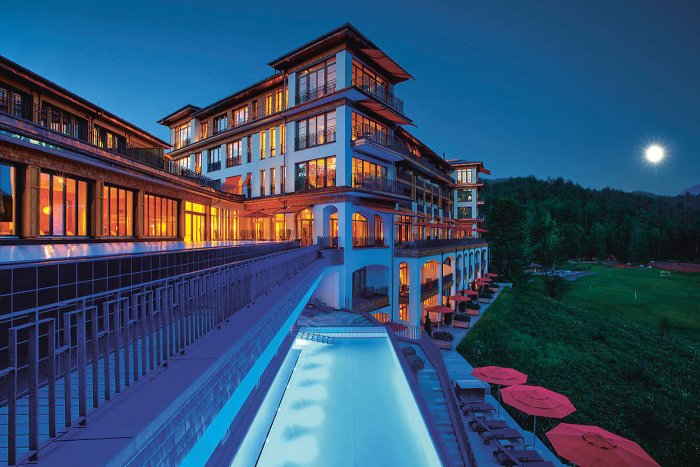
Fine hotels and resorts go above and beyond standard accommodation, offering a curated collection of amenities and services designed to pamper guests and create unforgettable experiences. These offerings are meticulously crafted to cater to a wide range of preferences and needs, ensuring a truly luxurious and personalized stay. The level of service and the specific amenities offered often differentiate a “fine” hotel from a standard one.
Common Amenities and Services
The core amenities and services offered by fine hotels and resorts typically fall into several key categories. These offerings create a seamless and comfortable experience for the guest. A lack of any of these core elements would typically disqualify a hotel from the “fine” designation.
- Dining: Multiple restaurants with diverse cuisines, often including Michelin-starred options, fine dining rooms, casual cafes, and room service with extensive menus available 24/7.
- Accommodation: Luxurious and spacious rooms and suites, featuring high-end furnishings, premium bedding, and advanced technology (e.g., smart TVs, high-speed internet).
- Spa and Wellness: Full-service spas with a wide array of treatments, including massages, facials, body wraps, and hydrotherapy facilities. Fitness centers with state-of-the-art equipment and often personalized training options are also common.
- Activities and Recreation: A range of activities tailored to the location and target audience, which might include golf courses, swimming pools, private beaches, tennis courts, water sports, and guided excursions.
- Concierge Services: Dedicated concierge staff available 24/7 to assist with reservations, transportation, and other guest requests, often arranging exclusive experiences.
- Business Services: Meeting rooms, business centers with computers and printers, and secretarial services for business travelers.
Unique and Innovative Amenities
Beyond the standard offerings, many fine hotels and resorts distinguish themselves through unique and innovative amenities. These often reflect the hotel’s brand identity and the local environment. This can range from high-tech features to personalized services.
- Personalized butler service: Some establishments provide dedicated butlers to cater to guests’ every need, from unpacking luggage to arranging private dinners.
- Private villas with pools: Offering complete privacy and seclusion, these villas often include private pools, gardens, and dedicated staff.
- High-tech integration: Smart room controls, voice-activated assistants, and personalized entertainment systems enhance guest comfort and convenience.
- Curated experiences: Hotels may partner with local artisans or experts to offer unique experiences such as private cooking classes, wine tastings, or art tours.
- Sustainable practices: Increasingly, fine hotels are incorporating sustainable practices, such as using renewable energy sources and implementing waste reduction programs, appealing to environmentally conscious travelers.
Ultimate Luxury Experience Package
This hypothetical package focuses on creating an unforgettable luxury experience. It is designed to highlight the pinnacle of services and amenities offered by a high-end resort.
| Day | Time | Activity | Description |
|---|---|---|---|
| Day 1 | Afternoon | Arrival & Private Villa Check-in | Private transfer from the airport to your luxurious private villa with a dedicated butler to assist with unpacking and settling in. Enjoy welcome drinks and a tour of your villa. |
| Day 1 | Evening | Private Chef Dinner | A private chef prepares a gourmet meal tailored to your preferences, served in your villa’s private dining area. |
| Day 2 | Morning | Spa Treatment | Enjoy a couples massage followed by a relaxing aromatherapy session at the resort’s award-winning spa. |
| Day 2 | Afternoon | Private Yacht Excursion | A private yacht charter takes you on a scenic cruise along the coast, with opportunities for swimming, snorkeling, and sunbathing. |
| Day 2 | Evening | Michelin-Starred Dining | Experience a fine dining experience at the resort’s Michelin-starred restaurant. |
| Day 3 | Morning | Private Yoga Session | A private yoga instructor leads a personalized yoga session on your villa’s private terrace. |
| Day 3 | Afternoon | Departure | Private transfer back to the airport for your departure. |
Target Audience and Marketing Strategies
Source: idntimes.com
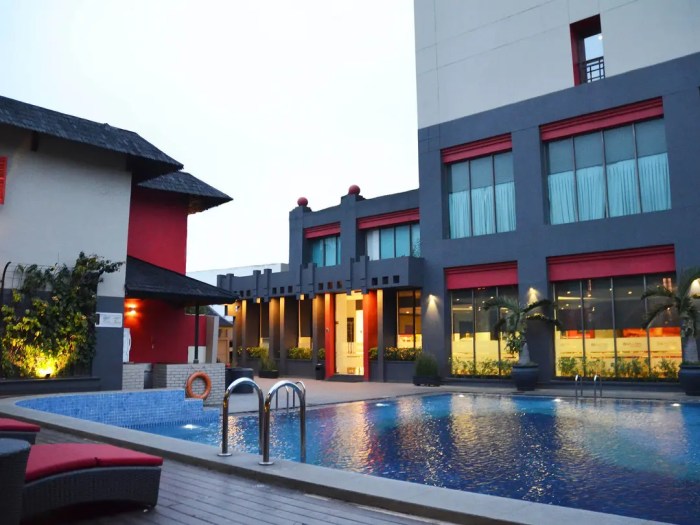
Fine hotels and resorts cater to a discerning clientele with specific needs and expectations. Understanding this target audience is crucial for effective marketing. Their marketing strategies must resonate with this affluent and sophisticated group, highlighting the unique experiences and unparalleled service these establishments offer.
The primary demographic and psychographic characteristics of the target audience for fine hotels and resorts are multifaceted. Demographically, the typical guest is likely to be aged 35-65, with a higher-than-average disposable income. They are often well-educated professionals, business executives, or high-net-worth individuals. Psychographically, they value exclusivity, personalized service, luxury experiences, and often seek opportunities for relaxation, rejuvenation, or unique cultural immersion. They are less price-sensitive than other travelers and prioritize quality and exceptional experiences over mere cost savings.
Marketing Strategies Employed by Fine Hotels and Resorts
Several effective marketing strategies are commonly employed to attract this discerning clientele. These strategies focus on building brand prestige, showcasing unique experiences, and fostering a sense of exclusivity.
- Targeted Digital Advertising: Utilizing platforms like Google Ads and social media advertising (Instagram, Facebook) to reach specific demographics based on interests, location, and online behavior. Campaigns focus on high-quality visuals and video showcasing the hotel’s unique amenities and experiences.
- Public Relations and Influencer Marketing: Partnering with travel publications, luxury lifestyle bloggers, and social media influencers to generate positive media coverage and build brand awareness amongst the target audience. This involves sending complimentary stays in exchange for reviews and content creation.
- Loyalty Programs and Exclusive Offers: Implementing loyalty programs to reward repeat guests with exclusive perks and benefits, such as upgrades, complimentary services, and early access to special offers. This fosters brand loyalty and encourages return visits.
- Strategic Partnerships and Affiliations: Collaborating with luxury brands, airlines, and other high-end businesses to create bundled packages and exclusive offers. This expands reach and enhances the overall luxury experience offered.
- Experiential Marketing: Hosting exclusive events, private dinners, and curated experiences tailored to the interests of the target audience. This creates memorable moments and reinforces the brand’s image as a provider of exceptional experiences.
Sample Marketing Campaign Concept
Let’s consider a fictional fine hotel, “The Azure Coast Resort,” located on a secluded beach in the Caribbean. This campaign targets affluent couples aged 35-55 seeking a romantic getaway.
Target Audience: Affluent couples (35-55 years old) seeking a luxurious and romantic escape, valuing privacy, personalized service, and unique experiences. They are digitally savvy and active on social media platforms such as Instagram.
Messaging: The campaign emphasizes the resort’s exclusivity, unparalleled service, and breathtaking location. The core message is “Escape to Paradise: Rediscover Romance at The Azure Coast Resort.” Visuals focus on intimate settings, couples enjoying luxurious amenities, and the stunning natural beauty of the resort’s surroundings.
Channels: The campaign will utilize a multi-channel approach, including:
- Instagram: High-quality photography and video showcasing the resort’s amenities and romantic atmosphere. Targeted ads will reach users interested in luxury travel, romantic getaways, and the Caribbean.
- Luxury Travel Publications: Print and online advertisements in publications such as Condé Nast Traveler and Travel + Leisure, targeting affluent readers interested in luxury travel destinations.
- Email Marketing: Personalized email campaigns to previous guests and subscribers offering exclusive deals and packages for romantic getaways.
- Website: A beautifully designed website showcasing the resort’s features, amenities, and experiences, with a seamless booking process.
Sustainability and Ethical Considerations: Fine Hotels Resorts
Source: antonovich-design.ae
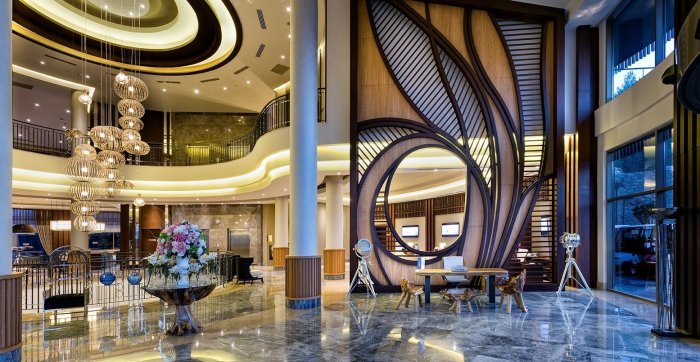
The fine hotel and resort industry is increasingly recognizing the importance of integrating sustainability and ethical practices into its operations. Consumers are more conscious than ever of the environmental and social impact of their travel choices, demanding transparency and responsible behavior from the businesses they patronize. This shift in consumer preference, coupled with growing regulatory pressure and a genuine desire for long-term viability, is driving a significant transformation within the sector.
The adoption of sustainable practices is no longer simply a “nice-to-have” but a necessity for maintaining a competitive edge and ensuring the long-term health of the industry. This involves a holistic approach, encompassing environmental protection, social responsibility, and economic viability.
Environmental Impact Minimization Initiatives
Many fine hotels and resorts are actively implementing strategies to reduce their environmental footprint. These initiatives often focus on several key areas: energy efficiency (through renewable energy sources like solar panels and energy-efficient appliances), water conservation (implementing low-flow fixtures and water recycling systems), waste reduction (through composting, recycling programs, and minimizing single-use plastics), and sustainable sourcing (prioritizing locally sourced food and environmentally friendly materials in construction and operations). For example, the Four Seasons Resort Hualalai in Hawaii utilizes geothermal energy and has implemented extensive water conservation programs, significantly reducing its environmental impact. Similarly, many resorts are investing in carbon offsetting programs to compensate for unavoidable emissions.
Support for Local Communities
Ethical considerations extend beyond environmental protection to encompass social responsibility. Fine hotels and resorts are increasingly focusing on supporting local communities through various initiatives. This includes sourcing goods and services locally, employing local staff, partnering with local organizations on community development projects, and contributing to local charities. For instance, the Aman resorts are known for their deep commitment to preserving local culture and supporting artisans through collaborations and employment opportunities. Such initiatives not only benefit the local economy but also enhance the authenticity and cultural richness of the guest experience.
Challenges and Opportunities in Sustainable Luxury Tourism, Fine hotels resorts
The pursuit of sustainable luxury tourism presents both challenges and opportunities.
- Challenge: Balancing Luxury with Sustainability: Maintaining high standards of luxury while minimizing environmental impact can be challenging. Luxury often implies a certain level of resource consumption, which needs to be carefully managed and offset.
- Opportunity: Innovation and Technological Advancements: The drive for sustainability is fostering innovation in areas such as energy-efficient technologies, sustainable building materials, and waste management solutions. This creates opportunities for hotels to showcase their commitment to sustainability while enhancing the guest experience.
- Challenge: Cost and Investment: Implementing sustainable practices often requires significant upfront investment in new technologies and infrastructure. This can be a barrier for some hotels, particularly smaller ones.
- Opportunity: Enhanced Brand Reputation and Customer Loyalty: Consumers are increasingly rewarding businesses that demonstrate a commitment to sustainability. Hotels that prioritize sustainability can enhance their brand reputation, attract environmentally conscious travelers, and build stronger customer loyalty.
- Challenge: Measuring and Reporting Progress: Accurately measuring and reporting the environmental and social impact of hotel operations can be complex. Standardized metrics and transparent reporting are crucial for building trust and accountability.
- Opportunity: New Revenue Streams: Sustainable tourism can open up new revenue streams, such as eco-tourism packages, carbon offsetting programs, and partnerships with environmental organizations.
Technological Integration in Fine Hotels & Resorts
Source: alamy.com
Technological integration is rapidly transforming the fine hotels and resorts sector, enhancing guest experiences and streamlining operations. From check-in to check-out, technology is subtly (and sometimes not so subtly!) improving efficiency and guest satisfaction, driving a new era of luxury hospitality. This section explores current innovations and future trends in technological adoption within this industry.
Current Technological Innovations Enhancing Guest Experiences
Many fine hotels and resorts are already leveraging technology to elevate their offerings. Mobile check-in and keyless entry systems, for example, allow guests to bypass the front desk and proceed directly to their rooms, minimizing wait times and maximizing convenience. In-room entertainment systems often feature high-definition televisions with streaming services and integrated controls for lighting and temperature. High-speed, reliable Wi-Fi is now a standard expectation, and many hotels offer complimentary access throughout the property. Furthermore, sophisticated property management systems (PMS) streamline operations, allowing for personalized service and efficient management of bookings, reservations, and guest requests. Many hotels utilize AI-powered chatbots to answer guest inquiries 24/7, providing instant support and reducing the workload on human staff.
Future Trends in Technology Adoption
The pace of technological advancement within the hospitality industry shows no signs of slowing. Several key trends are expected to shape the future of fine hotels and resorts.
- Increased Personalization through AI: AI will play a larger role in personalizing guest experiences. This could include customized recommendations for dining, activities, and spa treatments based on individual preferences and past behavior.
- Enhanced Guest Room Automation: Smart room technology will become even more sophisticated, with integrated systems controlling lighting, temperature, entertainment, and even window shades based on guest preferences or pre-programmed schedules. Voice assistants will become increasingly prevalent.
- Immersive Virtual and Augmented Reality Experiences: Hotels may offer virtual tours of their facilities or augmented reality experiences that overlay digital information onto the real world, enriching the guest journey.
- Blockchain Technology for Enhanced Security and Transparency: Blockchain can be used to improve security and transparency in areas like booking management and payment processing, enhancing trust and minimizing fraud.
- Robotics and Automation in Service Delivery: Robots may be used for tasks such as delivering room service, cleaning, or providing concierge services, increasing efficiency and potentially reducing labor costs.
Hypothetical Smart Room in a Fine Hotel
Imagine a guest entering a luxurious suite. Upon arrival, the room’s ambient lighting adjusts subtly to a welcoming hue, the temperature is set to their preferred level (pre-programmed via a mobile app), and a soft, personalized playlist begins to play. A voice assistant, activated by a simple phrase, offers a curated selection of local restaurants, spa treatments, and nearby attractions based on the guest’s profile. The smart TV seamlessly integrates with streaming services and offers personalized recommendations. The guest can adjust the lighting, temperature, and window shades using voice commands or a user-friendly touchscreen interface. The room’s security system uses facial recognition to ensure only authorized individuals can access the room. Throughout their stay, the guest receives personalized messages and offers tailored to their preferences, enhancing their overall experience. The smart room exemplifies how technology can seamlessly integrate to create a personalized, efficient, and luxurious stay.
Illustrative Examples of Fine Hotels & Resorts
Source: pointhacks.com
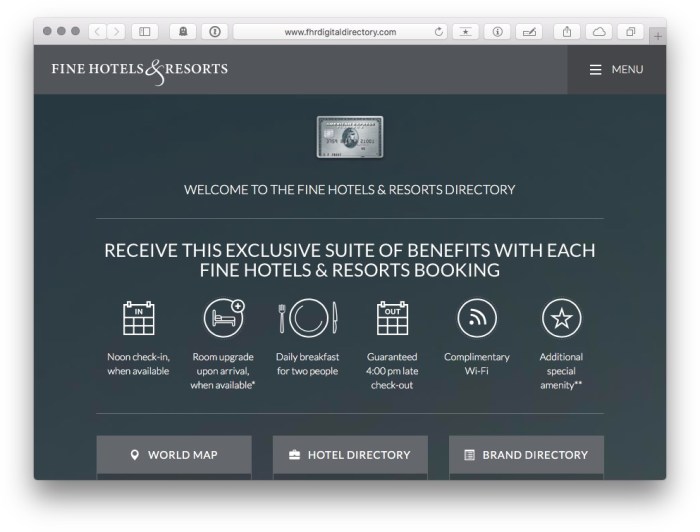
This section provides detailed descriptions of three distinct fine hotels and resorts, showcasing their unique characteristics and the overall guest experience they offer. These examples illustrate the diversity within the “fine hotels & resorts” category, highlighting the range of architectural styles, amenities, and overall ambiance found in this sector.
The Ritz-Carlton, Kapalua, Maui
Imagine a luxurious resort nestled on the cliffs of Maui’s northwest coast. The Ritz-Carlton, Kapalua, boasts stunning ocean views from nearly every point. The architecture blends seamlessly with the natural landscape, utilizing natural materials like stone and wood in low-slung buildings that respect the surrounding environment. The decor is sophisticated yet relaxed, incorporating Hawaiian-inspired elements with elegant, contemporary furnishings. Expansive lanais offer breathtaking sunset vistas, while lush tropical gardens provide tranquil spaces for relaxation.
The Amanzoe, Greece
Perched atop a hilltop in the Peloponnese region of Greece, Amanzoe presents a breathtaking panorama of the Aegean Sea. The resort’s design is minimalist and modern, featuring clean lines and expansive windows that maximize the stunning views. The architecture is characterized by low-slung pavilions with whitewashed walls and terracotta roofs, reminiscent of traditional Greek architecture but with a contemporary twist. The interior design emphasizes natural light and earthy tones, creating a serene and sophisticated atmosphere. The landscape is equally impressive, with rolling hills, olive groves, and meticulously manicured gardens.
The Burj Al Arab Jumeirah, Dubai
The Burj Al Arab Jumeirah is instantly recognizable for its iconic sail-shaped silhouette. This ultra-luxurious hotel rises dramatically from the waters of the Arabian Gulf. Its architecture is a bold statement of modern opulence, with sweeping curves and a dramatic height. The interior design is equally extravagant, featuring lavish gold accents, intricate mosaics, and opulent furnishings. The use of space is dramatic, with soaring atriums and breathtaking views from almost every room. The surrounding landscape is a carefully curated blend of manicured gardens and the sparkling waters of the Gulf, offering a contrast to the hotel’s modern grandeur.
Comparison of the Three Hotels
Let’s compare these three diverse examples to highlight their similarities and differences:
The following bullet points compare and contrast the three hotels based on their architectural style, decor, location, and overall guest experience.
- Architectural Style: The Ritz-Carlton, Kapalua embraces a low-key, natural style blending with its Hawaiian surroundings. Amanzoe showcases a minimalist modern design with traditional Greek influences. The Burj Al Arab Jumeirah is a dramatic, ultra-modern structure, a bold architectural statement.
- Decor: The Ritz-Carlton, Kapalua offers sophisticated Hawaiian-inspired elegance. Amanzoe features a serene, minimalist aesthetic with natural tones. The Burj Al Arab Jumeirah is characterized by opulent luxury with lavish gold accents and intricate detailing.
- Location & Landscape: The Ritz-Carlton is situated on a cliffside in Maui, overlooking the ocean. Amanzoe sits atop a hill in the Peloponnese, offering expansive views of the Aegean Sea. The Burj Al Arab Jumeirah is an iconic structure on an artificial island in Dubai.
- Overall Guest Experience: Each hotel provides a unique and luxurious experience, tailored to different preferences. The Ritz-Carlton emphasizes relaxation and connection with nature. Amanzoe offers a tranquil and private retreat. The Burj Al Arab Jumeirah delivers an experience of ultimate extravagance and opulence.
Outcome Summary
Source: finehotels.in
The world of fine hotels and resorts is a dynamic landscape where luxury meets innovation. From the breathtaking locations and opulent amenities to the sophisticated marketing strategies and commitment to sustainability, these establishments constantly strive to exceed guest expectations. Understanding the nuances of this industry—from defining characteristics to future trends—provides valuable insight into the ever-evolving world of luxury travel. Ultimately, the experience offered by fine hotels and resorts is more than just a stay; it’s a meticulously crafted journey designed to create lasting memories.