Hotel Booking Offers Score Amazing Deals
Hotel booking offers: Unlocking incredible savings on your next getaway is easier than you think! This guide dives into the world of hotel deals, from understanding the different types of offers available to mastering the art of finding the perfect bargain. We’ll explore various online platforms, uncover the factors influencing pricing, and navigate the often-confusing terms and conditions. Get ready to become a hotel booking pro!
Whether you’re a seasoned traveler or a first-time planner, knowing how to spot and snag the best hotel deals can significantly impact your travel budget. This guide will equip you with the knowledge and strategies to find amazing hotel offers, no matter your travel style or destination. We’ll cover everything from last-minute steals to early-bird discounts, helping you choose the right offer for your needs.
Types of Hotel Booking Offers

Source: tokopedia.net
Finding the perfect hotel at the perfect price can feel like a treasure hunt. Luckily, numerous online booking platforms offer a variety of deals to help you save money and find the ideal accommodation. Understanding the different types of offers available is key to securing the best value for your money.
Categorization of Hotel Booking Offers
Several categories of hotel booking offers exist, each catering to different travel styles and preferences. The following table provides a breakdown of common offer types:
| Offer Type | Description | Target Audience | Example |
|---|---|---|---|
| Last-Minute Deals | Hotels offer discounted rates for rooms with imminent availability, often within 24-72 hours of the check-in date. These deals are designed to fill empty rooms. | Flexible travelers who are comfortable with short-notice bookings. | A 50% discount on a beachfront hotel room booked one day before arrival. |
| Early Bird Discounts | Hotels incentivize early bookings by offering reduced rates for reservations made well in advance of the stay. | Planners who book their trips months in advance. | A 20% discount on a city center hotel booked six months prior to arrival. |
| Package Offers | These offers bundle hotel accommodation with other travel services, such as flights, car rentals, or tours, often at a lower price than booking each service individually. | Travelers who want a convenient and potentially cost-effective way to book multiple aspects of their trip. | A package deal including flights, a five-night stay at a resort, and airport transfers. |
| Seasonal Discounts | Hotels adjust their pricing based on the season, offering lower rates during the off-season and higher rates during peak seasons. | Travelers who are flexible with their travel dates and willing to visit during less popular times. | A 30% discount on a ski resort hotel during the spring or summer months. |
| Loyalty Program Discounts | Hotels reward repeat customers with discounts and other perks through loyalty programs. | Frequent travelers who stay at the same hotel chain or use the same booking platform regularly. | 10% off each stay for members of a hotel’s loyalty program. |
Comparison of Last-Minute Deals, Early Bird Discounts, and Package Offers
Last-minute deals provide significant savings but involve risk due to limited availability and choice. Early bird discounts offer guaranteed savings and booking security, but require planning well in advance. Package offers provide convenience and potential cost savings by bundling services, but might lack flexibility if individual components need adjusting. The best option depends on your travel style and priorities.
Visual Representation of Cost-Effectiveness
A bar chart would effectively compare the cost-effectiveness of these offer types. The x-axis would represent the offer type (Last-Minute, Early Bird, Package). The y-axis would represent the price (in a relative scale, for example, percentage of the original price). The bars would be color-coded: Last-minute deals could be represented in a vibrant, attention-grabbing orange, symbolizing urgency and potential savings. Early bird discounts could be a calm, dependable green, representing planning and security. Package offers could be a sophisticated blue, representing the bundled services. The height of each bar would reflect the relative cost after the discount is applied, clearly showing which offer type provides the greatest savings in a given scenario. For instance, if a room costs $100, a last-minute deal might show a bar reaching 50 (representing $50), an early bird deal reaching 80 (representing $80), and a package deal reaching 70 (representing $70). This would immediately illustrate the cost savings potential of each offer type in a clear and concise manner.
Platforms Offering Hotel Booking Offers
Source: akamaized.net
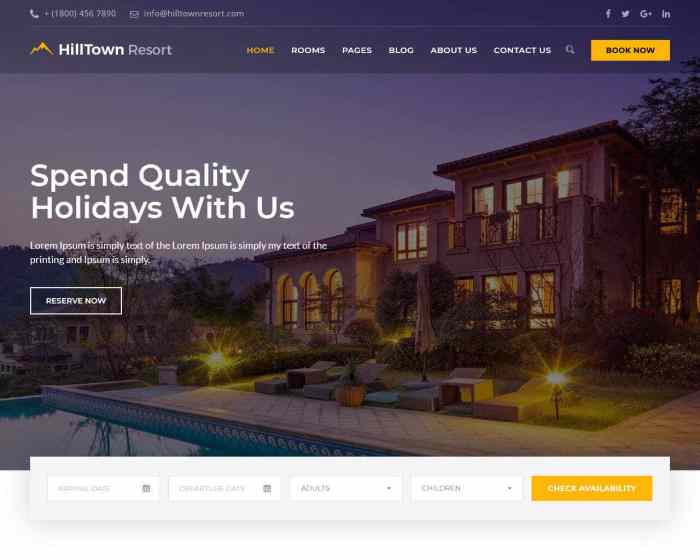
Finding the best hotel deal often involves navigating various online platforms. Understanding the differences between these platforms and how they structure their offers is key to securing the perfect stay at the best price. This section explores popular hotel booking platforms, comparing their offer structures and highlighting how hotels themselves market their deals.
Online Travel Agencies (OTAs) and hotel websites employ different strategies to attract customers with enticing offers. OTAs, such as Expedia, Booking.com, and Kayak, often aggregate deals from multiple hotels, creating a competitive marketplace. In contrast, hotels directly control the offers presented on their own websites, allowing for more tailored promotions and loyalty programs. This difference in approach leads to variations in the types of deals available and how they are presented to the potential guest.
Comparison of Hotel Booking Offers on Different OTAs
Different OTAs utilize various strategies to attract customers. Some focus on price comparison, highlighting the cheapest options first. Others prioritize user reviews and ratings, emphasizing guest experiences. Booking.com, for instance, heavily relies on user-generated content and offers a wide range of filters to help users find the perfect match. Expedia often uses bundles and packages to incentivize bookings, combining hotel stays with flights or rental cars. Kayak, known for its metasearch capabilities, displays results from multiple OTAs and hotel websites, allowing users to compare prices across various platforms. The specific offers available on each platform can fluctuate based on demand, seasonality, and the hotel’s individual pricing strategies.
Examples of Direct Hotel Marketing on Their Websites
Hotels frequently utilize their own websites to offer exclusive deals unavailable through OTAs. Common strategies include: offering discounts for advance bookings, providing loyalty program benefits (such as free upgrades or complimentary breakfast), creating themed packages (e.g., a romantic getaway package or a family fun package), and running flash sales or limited-time promotions. For example, a luxury hotel might offer a “stay three nights, get one free” promotion during the off-season to stimulate bookings. A boutique hotel might offer a “local experience package” including tickets to nearby attractions or a guided tour, adding value beyond the room itself. These strategies allow hotels to directly engage with customers and build brand loyalty.
Popular Platforms and Their Typical Offer Structures
The following list Artikels some of the most popular hotel booking platforms and their typical offer structures. Note that these structures can change dynamically.
| Platform | Typical Offer Structure | Example Offer |
|---|---|---|
| Booking.com | Wide range of hotels, price comparison, user reviews, Genius loyalty program discounts. | 15% off for Genius members, free cancellation options. |
| Expedia | Hotel and flight packages, bundled deals, price matching guarantees. | Save $50 on your hotel and flight package. |
| Kayak | Metasearch engine, compares prices across multiple OTAs and hotel websites. | Find the lowest price from various providers. |
| Hotels.com | Rewards program offering a free night after ten stays. | Earn a free night after 10 stays with our rewards program. |
| Airbnb | Unique accommodations, apartments, and homes, often with local experiences included. | Stay in a charming apartment in the heart of the city. |
Factors Influencing Hotel Booking Offers

Source: teknovidia.com
Hotel booking offers are rarely arbitrary; they’re carefully crafted based on a complex interplay of factors. Understanding these influences can help you snag the best deals. This section explores the key elements that determine the availability and attractiveness of hotel booking offers.
Seasonality and Demand Impact on Pricing and Offers
The most significant factor affecting hotel pricing and offers is the interplay of seasonality and demand. High-demand periods, such as peak tourist seasons or major events, usually see a surge in prices and a reduction in the availability of discounts or special offers. Hotels can afford to charge premium rates because rooms are readily booked. Conversely, during low seasons or periods of low demand, hotels are more likely to offer significant discounts, packages, and promotions to attract guests and maintain occupancy. For example, a beach resort might offer significantly lower rates during the off-season (winter months) compared to the peak summer season. This strategy aims to maximize revenue throughout the year, balancing higher prices during high demand with attractive offers during low demand.
Hotel Occupancy Rates and Offer Availability
Hotel occupancy rates directly impact the types and availability of offers. High occupancy rates typically mean fewer deals, as hotels don’t need to incentivize bookings. Imagine a popular city hotel during a major conference – they likely won’t need to offer discounts because rooms are in high demand. Conversely, low occupancy rates often lead to a wider range of offers, including last-minute deals, early bird discounts, and package deals that bundle accommodation with other services. A hotel with consistently low occupancy might offer extended-stay discounts or free upgrades to boost bookings. The relationship is straightforward: lower occupancy equals more attractive offers to fill rooms.
Competitor Pricing and Hotel Booking Offers
Hotels constantly monitor their competitors’ pricing strategies. This competitive landscape significantly influences their own pricing and offer creation. If a competitor hotel is offering a substantial discount, the neighboring hotel might respond with a similar or even better offer to remain competitive and maintain its market share. This dynamic pricing strategy ensures hotels remain attractive to potential guests and prevents losing bookings to rivals. For example, if one hotel chain introduces a “stay 2 nights, get 1 free” offer, other chains in the same area might launch similar promotions to counter this move and retain their customer base.
Terms and Conditions of Hotel Booking Offers

Source: hotelmu.id
Snagging a great hotel deal is exciting, but it’s crucial to understand the fine print before you click “book.” Ignoring the terms and conditions can lead to unexpected costs and disappointments. This section will help you navigate the often-complex world of hotel booking offer stipulations.
Understanding the terms and conditions is vital to avoid unpleasant surprises. Different platforms and hotels have varying policies, so always read them carefully before committing to a booking. Failing to do so could result in extra charges or even the inability to cancel your reservation.
Common Restrictions and Limitations
Before you get swept away by a low price, be aware that many hotel booking offers come with restrictions. These can significantly impact your trip. Understanding these limitations will help you make informed decisions and avoid any last-minute headaches.
- Cancellation Policies: Many offers have strict cancellation policies, often with deadlines and potential penalties for late cancellations or no-shows. Some might offer free cancellation up to a certain number of days before arrival, while others might charge a percentage of the total cost or even the full amount. Always check the exact cancellation window and any associated fees.
- Minimum Stay Requirements: Some offers require a minimum stay of, for example, two or three nights. This is common during peak seasons or for specific promotional packages. If your travel plans are flexible, this isn’t a problem, but if you only need one night, you’ll need to look for alternative offers.
- Non-Refundable Rates: These rates are typically the cheapest, but as the name suggests, they are non-refundable. Even if your plans change, you won’t get your money back. Consider the risks carefully before booking this type of rate.
- Amendments and Changes: Changing your booking, such as adding guests or altering your dates, may incur additional fees. Some offers may allow for free changes within a certain timeframe, while others may not allow changes at all.
- Blackout Dates: Many offers exclude certain dates, usually holidays or peak travel periods. These dates won’t be eligible for the discounted rate, and you might find yourself paying a higher price if you try to book during these times.
Comparison of Fine Print Across Platforms
Booking platforms like Expedia, Booking.com, Hotels.com, and others often present similar offers, but the fine print can differ significantly. For example, one platform might offer free cancellation up to 24 hours before arrival, while another might only offer it 48 hours before. Always compare the complete terms and conditions, not just the headline price, before making your decision. A seemingly better deal on one platform could quickly become less attractive once you factor in cancellation fees or other restrictions. Consider the flexibility offered by each platform and choose the one that best aligns with your travel plans and risk tolerance.
Potential Implications of Hidden Fees or Surcharges, Hotel booking offers
Hidden fees are a common frustration for travelers. These can include resort fees, parking charges, or extra taxes that aren’t immediately apparent during the initial booking process. Some platforms are more transparent than others about these extra costs, but it’s always best to scrutinize the total price breakdown before confirming your booking. For example, a hotel might advertise a room for $100 a night, but after adding taxes, resort fees, and other surcharges, the final price could be significantly higher. Always read the complete price breakdown carefully to avoid any unpleasant surprises upon arrival. Pay close attention to any additional charges mentioned in the fine print, and don’t hesitate to contact customer support if something is unclear.
Customer Experience with Hotel Booking Offers

Source: travelinspires.org
Finding the perfect hotel at the perfect price is a dream for many travelers. Hotel booking offers, while promising savings and convenience, can significantly impact the overall customer experience. A smooth and rewarding process leads to positive reviews and repeat business, while a frustrating experience can leave lasting negative impressions. This section explores the nuances of finding and booking hotels using offers, highlighting both positive and negative experiences to illustrate best practices.
Finding and Booking Hotels Using Offers: The Process
The process of finding and booking a hotel using an offer typically involves several steps. First, you’ll likely search across multiple online travel agencies (OTAs) or directly on hotel websites. This requires comparing prices, reading reviews, and carefully understanding the terms and conditions of each offer. Once you’ve identified a suitable offer, the booking process itself often involves filling out a form with your personal details and payment information. Some platforms offer streamlined booking processes, while others can be cumbersome and confusing. The level of customer support available during and after the booking process can also greatly influence the overall experience.
Examples of Customer Experiences
Positive Experiences:
I found an amazing deal on a luxury hotel in Paris through Expedia. The booking process was simple, and the hotel exceeded my expectations. The offer included a complimentary breakfast and early check-in, which made my trip even more enjoyable. I would definitely use this offer again!
Negative Experiences:
I booked a hotel through a third-party website, and the offer was misleading. The advertised price didn’t include taxes and fees, resulting in a much higher final cost. The hotel itself was also not as described, and the customer service was unhelpful when I tried to address my concerns. I would not recommend this offer or website.
Recommendations for Improving Customer Experience
Improving the customer experience with hotel booking offers requires a multifaceted approach. Transparency is paramount. Offers should clearly state all inclusions and exclusions, including taxes, fees, and any restrictions. Streamlined booking processes with intuitive interfaces are crucial for a positive experience. Robust customer support, readily available via phone, email, or chat, is essential for addressing any issues or concerns that may arise. Furthermore, actively soliciting and responding to customer feedback can help identify areas for improvement and enhance future offerings. Finally, verifying the accuracy of hotel descriptions and ensuring that the offered amenities are actually available will prevent disappointing surprises.
Impact of Technology on Hotel Booking Offers

Source: ceklist.id
Technology has revolutionized the hotel booking industry, transforming how hotels market their offers and how customers find and book them. The shift towards online platforms and mobile apps has not only increased convenience but also opened up opportunities for personalized experiences and data-driven optimization of pricing and offers.
Online booking platforms leverage sophisticated algorithms to analyze vast amounts of data, creating a highly personalized experience for each user. This personalization extends beyond simply showing relevant hotels based on location and dates.
Algorithmic Personalization of Hotel Offers
Online Travel Agencies (OTAs) like Expedia, Booking.com, and Kayak use complex algorithms to personalize hotel offers. These algorithms consider factors such as past booking history, browsing behavior, preferred amenities, travel frequency, and even the device used to access the platform. For instance, a frequent business traveler might be shown offers for hotels with business centers and high-speed internet, while a family might see offers for hotels with family suites and kid-friendly amenities. These algorithms constantly learn and adapt, refining their recommendations based on user interactions and feedback. The result is a more relevant and engaging experience, leading to higher conversion rates for the OTAs and increased satisfaction for customers.
Data Analytics in Hotel Pricing and Offer Optimization
Data analytics plays a crucial role in optimizing hotel pricing strategies and offers. Hotels collect vast amounts of data on occupancy rates, demand fluctuations, competitor pricing, and customer preferences. This data is analyzed using sophisticated tools to predict demand, identify optimal pricing points, and create targeted offers. For example, a hotel might offer a discounted rate during periods of low occupancy or a special package deal to attract customers during off-season. By analyzing historical data and market trends, hotels can make data-driven decisions to maximize revenue and occupancy rates. This precision pricing approach allows hotels to be more responsive to market fluctuations and tailor their offers to specific customer segments.
Mobile Apps and Enhanced Customer Experience
Mobile apps have significantly enhanced the customer experience when searching for and booking hotel offers. These apps provide users with easy access to a wide range of hotel options, detailed information, high-quality photos, and interactive maps. Many apps also offer features such as real-time availability, price comparisons, secure payment options, and mobile check-in/check-out. Push notifications can alert users to special offers and deals, and customer reviews and ratings help them make informed decisions. The convenience and accessibility offered by mobile apps have made them the preferred method of booking hotels for many travelers, further driving the growth and sophistication of hotel booking offers. For example, the Marriott Bonvoy app allows users to manage their bookings, earn and redeem points, and access exclusive member benefits, enhancing their overall travel experience.
Closure

Source: nishathotels.com
Mastering the art of finding hotel booking offers isn’t just about saving money; it’s about enhancing your overall travel experience. By understanding the various offer types, platforms, and influencing factors, you can confidently navigate the world of hotel bookings and secure the best deals. Remember to always read the fine print and compare offers across different platforms to ensure you’re getting the best value for your money. Happy travels!