Jungle Lodges Your Ultimate Guide
Jungle lodges offer an unparalleled escape into the heart of nature’s wildest realms. Imagine waking to the symphony of the jungle, surrounded by lush greenery and the calls of exotic wildlife. From rustic retreats to luxurious escapes, jungle lodges cater to every taste and budget, promising unique adventures and unforgettable memories. This guide delves into everything you need to know about planning your perfect jungle lodge getaway.
We’ll explore diverse lodge types, prime locations across the globe, the activities and wildlife encounters awaiting you, and the crucial aspects of sustainability and responsible tourism. We’ll also cover practical details like pricing, booking, and what to expect during your stay, ensuring a smooth and enriching experience.
Defining Jungle Lodges
Source: behance.net
Jungle lodges offer a unique blend of adventure and comfort, providing travelers with an immersive experience in the heart of the rainforest. They range from rustic, basic accommodations to luxurious retreats, each offering a distinct perspective on exploring the natural world. Understanding the nuances of what constitutes a jungle lodge is key to choosing the perfect experience.
Jungle lodges are fundamentally characterized by their location within or immediately adjacent to a jungle or rainforest environment. This proximity is a defining feature, differentiating them from other types of accommodations like hotels or resorts found in more developed areas. The accommodations themselves typically blend seamlessly with their surroundings, often utilizing natural materials in their construction and design to minimize environmental impact. A strong focus on nature immersion and wildlife viewing opportunities is another key characteristic.
Types of Jungle Lodges Based on Luxury Level
The level of luxury offered by jungle lodges varies considerably. Budget-friendly lodges often prioritize functionality and access to the jungle, offering basic but comfortable rooms with shared facilities. Mid-range lodges usually provide private rooms with en-suite bathrooms and enhanced amenities like outdoor seating areas or small pools. Luxury lodges, on the other hand, go above and beyond, providing opulent accommodations with personalized service, gourmet dining, and extensive facilities like private plunge pools, spas, and curated wildlife experiences. For instance, a budget lodge might offer a shared bathroom and simple meals, while a luxury lodge might feature a private butler, fine dining options, and a private rainforest tour.
Types of Jungle Lodges Based on Location
The location of a jungle lodge significantly impacts the type of wildlife encountered and the overall experience. Lodges located deep within the rainforest offer a truly immersive experience, providing greater opportunities for wildlife sightings but often with limited accessibility. Lodges situated closer to the edge of the rainforest offer a balance between accessibility and immersion, allowing for easier travel but potentially fewer wildlife encounters. Some lodges might be situated near rivers, providing access to unique wildlife viewing opportunities by boat. Others might be located on higher ground, offering panoramic views of the surrounding jungle canopy. For example, a lodge near the Amazon River would provide opportunities for spotting river dolphins and caiman, whereas a lodge located in the mountainous rainforest of Costa Rica might offer sightings of monkeys and colorful birds.
Types of Jungle Lodges Based on Amenities
The amenities offered by jungle lodges vary greatly depending on their luxury level and location. Basic amenities might include comfortable beds, mosquito netting, and access to clean water. Mid-range lodges may offer additional amenities such as Wi-Fi access, laundry services, and guided nature walks. Luxury lodges often go above and beyond, providing a range of amenities such as private balconies with stunning jungle views, infinity pools, spa services, and gourmet dining experiences. Some lodges may specialize in particular activities, such as birdwatching, kayaking, or trekking, providing specialized equipment and expert guides. For instance, a lodge specializing in birdwatching might provide high-powered binoculars and expert ornithologists to guide guests on early morning birdwatching tours.
Location and Accessibility of Jungle Lodges
Source: dreamhotels.co
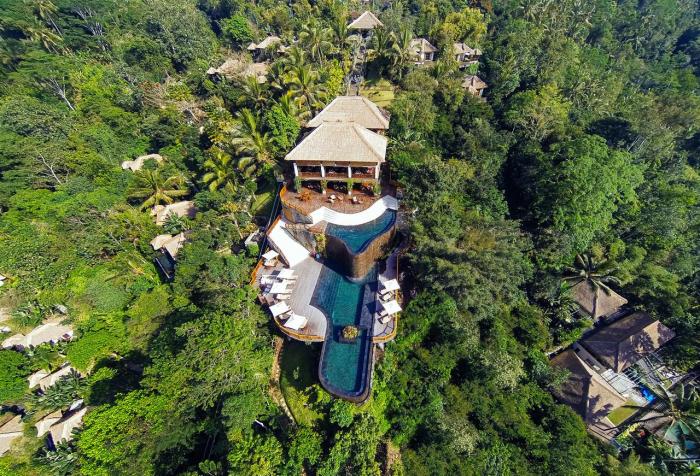
Jungle lodges offer unique accommodations within diverse ecosystems, but their location significantly impacts the overall experience and presents challenges related to accessibility and environmental considerations. Choosing a lodge often involves balancing the desire for a secluded, immersive experience with practical concerns about reaching the destination.
Popular regions globally known for their jungle lodge offerings provide a wide variety of experiences, each with its own unique character. Accessibility to these lodges varies considerably, impacting the type of traveler they attract and the overall impact on the environment.
Globally Popular Jungle Lodge Regions
Several regions worldwide are renowned for their luxurious and immersive jungle lodge experiences. The Amazon rainforest in South America, particularly in countries like Brazil, Peru, and Ecuador, offers a vast network of lodges accessible via boat and small aircraft. Southeast Asia, encompassing countries such as Thailand, Laos, Vietnam, and Indonesia, boasts diverse jungle environments, from the dense rainforests of Borneo to the lush landscapes of Thailand. Central and South America also feature other popular areas like the Pantanal wetlands of Brazil and the rainforests of Costa Rica. Africa offers unique experiences with lodges located near national parks and game reserves, such as those found in Tanzania, Kenya, and Zambia. Each region presents distinct logistical challenges and opportunities for responsible tourism.
Accessibility of Jungle Lodge Locations
Reaching remote jungle lodges requires careful consideration of transportation methods. Many lodges are only accessible by small aircraft, requiring either chartered flights or flights connecting to smaller airports near the lodge. This can be expensive and may be affected by weather conditions. River travel, often by boat or canoe, is another common mode of access, particularly in areas with extensive river systems like the Amazon. This offers a unique and often scenic approach but is susceptible to water levels and weather patterns. Some lodges might be accessible by a combination of methods, such as a short flight followed by a boat trip. Road access, though less common for truly remote lodges, may exist in some areas, often involving long and potentially challenging drives on unpaved roads. The accessibility options directly impact the cost and overall experience of visiting a specific jungle lodge.
Environmental Impact of Accessing Remote Jungle Lodge Locations
Accessing remote jungle lodges inevitably has an environmental footprint. Air travel, while efficient, contributes to carbon emissions. Boat travel, while often seen as more environmentally friendly, can still cause disturbance to aquatic life and river ecosystems, especially if larger vessels are used. The construction and maintenance of roads and landing strips can lead to deforestation and habitat fragmentation. Sustainable practices, such as using biofuels, reducing reliance on single-use plastics, and implementing responsible waste management systems, are crucial to mitigate these impacts. Choosing lodges committed to eco-tourism and responsible practices helps minimize the negative environmental consequences of accessing these unique destinations. Many lodges actively invest in conservation efforts and community development projects, helping to offset their environmental impact.
Amenities and Services Offered
Source: privateupgrades.com
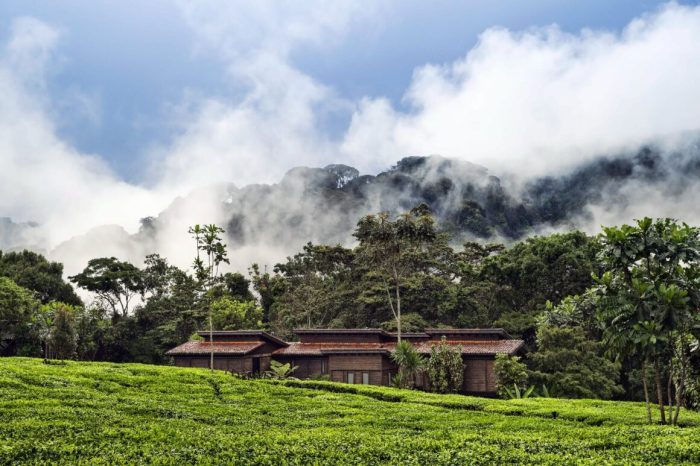
Jungle lodges offer a wide range of amenities and services, varying greatly depending on their price point and location. Understanding these offerings is crucial for choosing the right lodge for your jungle adventure. Budget-conscious travelers will find basic but comfortable options, while luxury seekers can indulge in unparalleled experiences.
The amenities and services provided directly impact the overall experience. A well-equipped lodge with attentive staff can significantly enhance your enjoyment of the natural surroundings. Conversely, lacking essential amenities can detract from the overall experience.
Amenities by Price Range
The following table compares amenities offered across different price ranges of jungle lodges. Keep in mind that these are general guidelines, and individual lodges may offer variations.
| Price Range | Standard Amenities | Luxury Amenities | Unique Features |
|---|---|---|---|
| Budget (Under $100/night) | Basic rooms, shared bathrooms, mosquito nets, fan, restaurant | None | Potentially proximity to specific wildlife viewing areas. |
| Mid-Range ($100-$300/night) | Private rooms with ensuite bathrooms, air conditioning or ceiling fan, restaurant, Wi-Fi (limited), guided nature walks | Private balconies or patios, mini-bar | Potential for specialized tours (e.g., birdwatching, night safaris). |
| Luxury (Over $300/night) | All mid-range amenities, plus luxurious bedding, personalized service, multiple dining options, spa treatments | Private plunge pools, butler service, gourmet dining, high-speed Wi-Fi | Exclusive access to specific areas of the jungle, private boat trips, personalized itineraries. |
Typical Services Provided, Jungle lodges
Beyond the physical amenities, jungle lodges provide a range of services designed to enhance your stay and ensure a safe and enjoyable experience. These services are essential components of the overall jungle lodge experience, and many are included in the price of your stay.
Common services include guided tours (both day and night), catering to various interests like birdwatching, wildlife spotting, and cultural immersion. Most lodges provide all meals, often featuring local and fresh ingredients. Transportation services, ranging from airport transfers to in-lodge shuttles, are also usually available. Some lodges even offer laundry services and other conveniences.
Luxury Jungle Lodge Brochure: Emerald Canopy Lodge
Imagine a brochure featuring stunning visuals of the Emerald Canopy Lodge, nestled amidst a lush rainforest. The brochure would highlight the lodge’s unique selling points. The cover would showcase an image of a luxurious suite with a private balcony overlooking a breathtaking jungle vista. The description would highlight its remote location, reachable only by a scenic boat ride.
Inside, the brochure would detail the lodge’s amenities, including:
- Luxurious Suites: Spacious suites with king-size beds, private balconies, and breathtaking jungle views. Each suite is decorated with locally sourced materials and features ensuite bathrooms with rainforest showers.
- Gourmet Dining: Enjoy exquisite meals prepared with locally sourced ingredients, emphasizing fresh, seasonal produce. A private chef can also be arranged for special occasions.
- Personalized Service: A dedicated concierge is available to assist with all your needs, arranging private tours, spa treatments, and other activities.
- Exclusive Experiences: Access to exclusive areas of the rainforest, including guided night safaris, private boat trips down the river, and encounters with indigenous communities.
- Spa and Wellness: Relax and rejuvenate at our on-site spa, offering a range of treatments using natural ingredients from the rainforest.
The brochure would conclude with booking information and a call to action, inviting potential guests to experience the ultimate luxury jungle getaway.
Activities and Experiences
Source: junglelodgetikal.com
Jungle lodges offer a unique blend of adventure, relaxation, and cultural immersion, providing guests with unforgettable experiences unlike any other vacation. The activities are designed to showcase the natural beauty and cultural richness of the surrounding environment, fostering a deep connection with the jungle and its inhabitants. Many lodges tailor their activities to suit different fitness levels and interests, ensuring everyone can participate and enjoy.
The activities available vary greatly depending on the specific location and the lodge’s offerings, but generally fall into categories of wildlife viewing, nature exploration, and cultural immersion. The level of activity and intensity can range from leisurely nature walks to challenging hikes and expeditions. The goal is always to provide a safe and enriching experience while respecting the environment and the local communities.
Common Activities Available to Guests
A wide range of activities are designed to engage guests with the jungle’s wonders. These experiences are carefully planned to minimize environmental impact while maximizing the opportunity for exciting encounters.
- Guided Nature Walks: Experienced guides lead guests on trails through the jungle, pointing out flora and fauna, explaining ecological processes, and sharing their knowledge of the local environment. These walks often vary in length and difficulty, catering to different fitness levels.
- Canoeing or Kayaking: Exploring the jungle’s waterways offers a unique perspective, allowing guests to observe wildlife from a different vantage point. This activity is often quieter than walking, increasing the chances of spotting shy animals.
- Night Walks: These excursions reveal a completely different side of the jungle, showcasing nocturnal wildlife and the sounds of the night. Guests may encounter creatures rarely seen during the day.
- Birdwatching: Many jungle lodges are located in areas rich in birdlife. Guided birdwatching tours offer opportunities to spot a wide variety of species, from vibrant parrots to elusive hummingbirds.
- Jungle Survival Skills Workshops: Some lodges offer workshops teaching basic survival skills, such as fire-starting, shelter building, and identifying edible plants. These workshops are led by experienced instructors and provide a fun and educational experience.
Potential Wildlife Encounters
The wildlife encounters possible at a jungle lodge are incredibly diverse and depend heavily on the lodge’s location and the time of year. However, many common and exciting encounters can be expected.
- Primates: Monkeys, apes, and lemurs are common sights in many jungle regions. Guests might see various species, from playful monkeys swinging through the trees to more elusive apes.
- Birds: A vibrant array of bird species, from brilliantly colored macaws to camouflaged woodpeckers, can be observed throughout the jungle. The diversity of birdlife is often astounding.
- Reptiles: Snakes, lizards, crocodiles, and turtles are all potential encounters. While some are easily spotted, others may require a keen eye and a knowledgeable guide.
- Amphibians: Frogs, toads, and salamanders are abundant in many jungle environments. These creatures often play a crucial role in the ecosystem and are fascinating to observe.
- Mammals: Depending on the location, guests might encounter larger mammals like jaguars, tapirs, deer, or elephants. These encounters are often less frequent but incredibly memorable.
- Insects: The jungle is teeming with insect life, from colorful butterflies to industrious ants. Observing these tiny creatures can be just as rewarding as seeing larger animals.
Immersive Experiences: Cultural Interaction and Nature Exploration
Jungle lodges strive to provide an immersive experience that goes beyond simply observing wildlife. The lodges often actively integrate cultural experiences, allowing guests to connect with the local communities and learn about their traditions and way of life.
This can include visits to local villages, participation in traditional ceremonies, learning about indigenous crafts, and interacting with local guides who share their deep knowledge of the jungle and its people. These cultural interactions add a significant layer of richness and depth to the overall experience, fostering respect and understanding between visitors and the local community. Nature exploration is equally important, with guided walks and activities designed to not only show the beauty of the jungle but also explain its delicate ecosystem and the interconnectedness of all living things. This fosters a sense of responsibility and appreciation for the natural world.
Environmental Impact and Sustainability
Source: junglelodgetikal.com
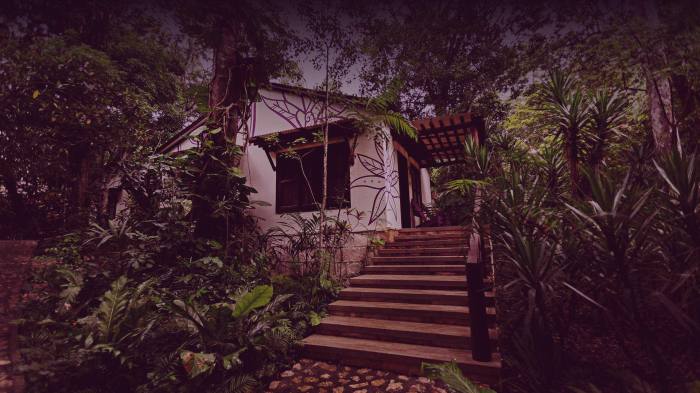
Jungle lodge tourism presents a complex relationship with the environment, offering both opportunities for conservation and potential for damage. The delicate balance of these ecosystems requires careful consideration and responsible practices to minimize negative impacts and maximize positive contributions. Understanding this duality is crucial for ensuring the long-term viability of both the lodges and the natural world they inhabit.
The environmental impact of jungle lodges is multifaceted. On one hand, responsible ecotourism can generate revenue for conservation efforts, support local communities involved in protecting the environment, and raise awareness about the importance of biodiversity. On the other hand, unchecked development can lead to habitat destruction, pollution (water and air), increased waste generation, and disruption of wildlife behavior patterns. The scale of these impacts varies significantly depending on the lodge’s size, management practices, and the sensitivity of the surrounding ecosystem.
Sustainable Practices in Eco-Friendly Jungle Lodges
Many eco-conscious jungle lodges actively implement sustainable practices to mitigate their environmental footprint. These practices often include responsible waste management systems, such as composting and recycling programs, minimizing water consumption through efficient fixtures and rainwater harvesting, and using renewable energy sources like solar power. Furthermore, many lodges prioritize locally sourced food and employ local communities, boosting the regional economy while reducing the carbon footprint associated with transportation. Some lodges even participate in reforestation projects or support local conservation initiatives, directly contributing to the preservation of the surrounding environment. For example, a lodge in the Amazon might partner with a local organization to monitor and protect endangered species, or a lodge in Borneo might invest in peatland restoration projects.
Comparison of Environmental Responsibility Among Operators
A significant difference exists in the environmental responsibility demonstrated by various jungle lodge operators. Some lodges prioritize sustainability as a core value, investing heavily in eco-friendly infrastructure and actively engaging in conservation efforts. These lodges often undergo independent certifications, such as those offered by organizations focused on sustainable tourism, demonstrating their commitment to responsible practices. In contrast, other operators may prioritize profit maximization over environmental protection, leading to less stringent environmental practices and potentially greater negative impacts. The level of transparency regarding environmental policies and practices also varies considerably. Some lodges openly share data on their environmental performance, while others provide limited information, making it difficult for consumers to make informed choices. This disparity underscores the importance of researching potential destinations thoroughly before booking a stay.
Visual Representation of Jungle Lodges
Source: dreamhotels.co
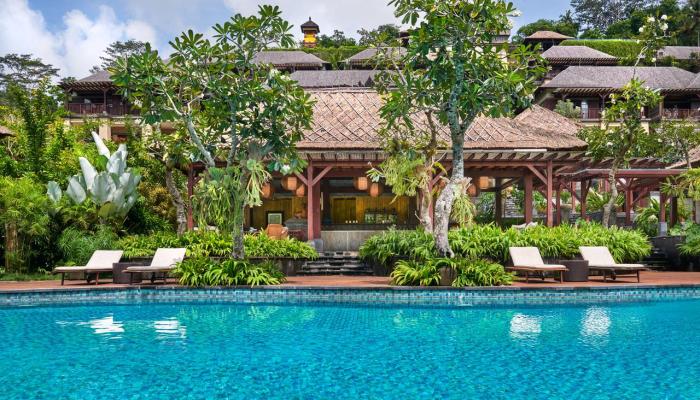
Jungle lodges offer a unique blend of architectural design and natural beauty. Their visual appeal is crucial to the overall guest experience, creating a sense of immersion and tranquility within the surrounding environment. The design should complement, not compete with, the stunning natural backdrop.
Exterior Architecture
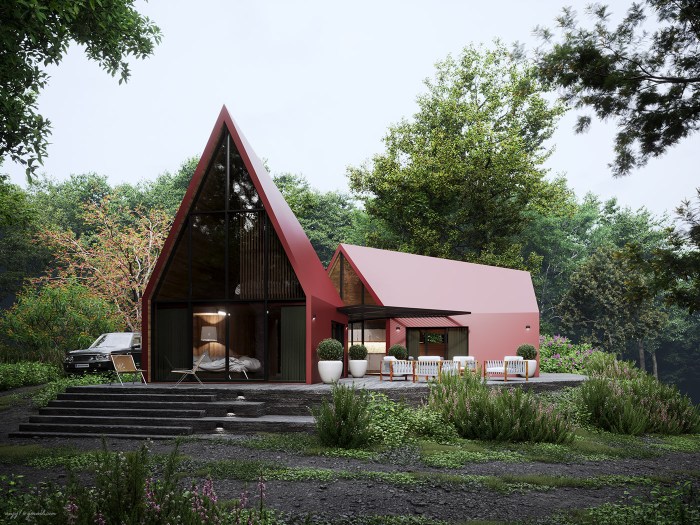
The exterior architecture of a successful jungle lodge seamlessly integrates with its surroundings. Imagine a lodge constructed primarily from sustainably sourced timber, its walls clad in locally harvested bamboo, creating a natural, earthy aesthetic. The roof, perhaps steeply pitched to shed heavy rainfall, is thatched with palm leaves, blending effortlessly into the canopy. Large, screened windows and expansive verandas allow for panoramic views and natural ventilation, minimizing the environmental impact of air conditioning. The design incorporates elements of local architectural styles, reflecting the cultural heritage of the region. Raised platforms minimize disturbance to the forest floor, while strategically placed walkways allow guests to move freely without disrupting the delicate ecosystem. The overall effect is one of rustic elegance, a harmonious balance between human habitation and the natural world.
Interior Design
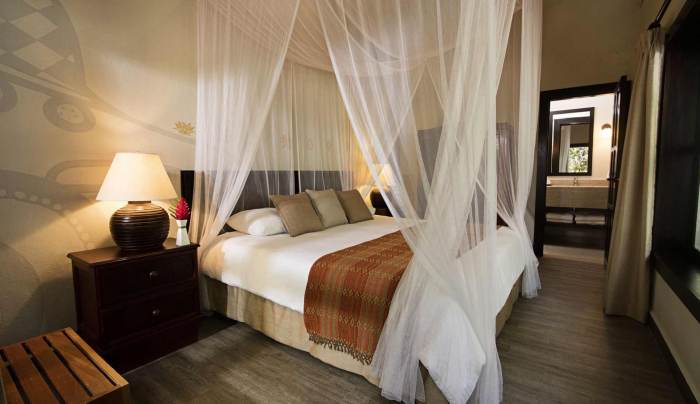
Stepping inside, the lodge’s interior design continues the theme of comfort, luxury, and sustainability. Locally sourced materials are prevalent, with handcrafted furniture made from reclaimed wood and natural fibers. Earthy tones dominate the color palette, creating a calming atmosphere that complements the surrounding jungle. Large, airy rooms are furnished with comfortable beds draped in mosquito netting, adding a touch of romance and practicality. Bathrooms might feature locally made ceramic tiles and natural stone, showcasing the region’s craftsmanship. Sustainable practices are evident in energy-efficient lighting, water conservation systems, and the use of eco-friendly cleaning products. The overall ambiance is one of understated elegance, emphasizing natural beauty and mindful living. Imagine handcrafted textiles adorning the walls, adding splashes of vibrant color, and locally sourced artwork adding a cultural touch.
Breathtaking View from a Jungle Lodge
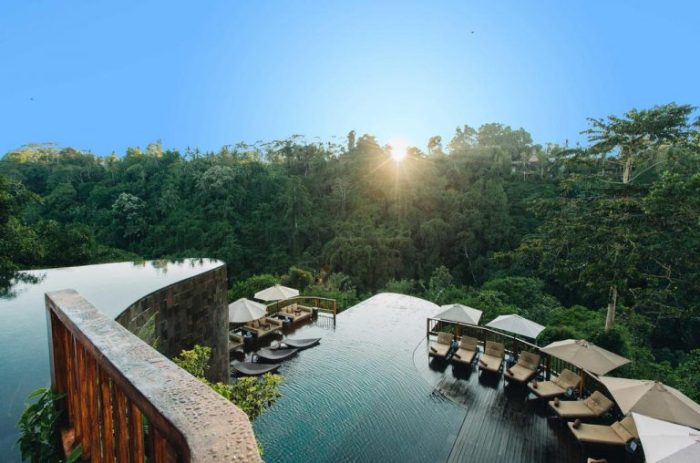
From the lodge’s veranda, a breathtaking panorama unfolds. The sounds of the jungle are a symphony of chirping insects, the calls of exotic birds, and the rustling of leaves in the gentle breeze. The air is thick with the earthy scent of damp soil and decaying vegetation, mingled with the sweet fragrance of blooming orchids. The sight is equally captivating. A dense canopy of emerald green stretches as far as the eye can see, punctuated by the vibrant colors of exotic flowers and the occasional flash of a brightly colored bird. Sunlight filters through the leaves, creating dappled patterns on the forest floor below. In the distance, perhaps a misty mountain range rises majestically, adding a sense of grandeur to the scene. The overall experience is one of immersive tranquility, a connection with nature that is both awe-inspiring and deeply restorative.
Pricing and Booking
Source: dreamhotels.co
Planning your jungle lodge adventure involves understanding the costs and how to secure your stay. Prices vary significantly, influenced by factors like location, the time of year, and the level of luxury offered. Booking in advance is highly recommended, especially during peak season.
Pricing structures for jungle lodges are diverse. Luxury lodges in prime locations, offering extensive amenities and personalized service, command higher prices than more basic lodges in remote areas. Peak season (typically coinciding with dry seasons and ideal weather conditions) also sees a significant price increase compared to the off-season. For example, a lodge in the Amazon rainforest might charge $500 per night during peak season, while the same lodge might offer rates of $250 per night during the rainy season. Similarly, a lodge with private plunge pools and gourmet dining will be considerably more expensive than a lodge offering basic rooms and communal meals.
Pricing Variations Based on Location, Season, and Amenities
Location significantly impacts pricing. Lodges situated in easily accessible areas with developed infrastructure tend to be less expensive than those in remote, pristine locations requiring extensive travel arrangements. Seasonal fluctuations are also a key factor. Dry seasons, known for better weather and wildlife viewing opportunities, usually see higher prices than wet seasons. Amenities play a crucial role too. Lodges offering private guides, gourmet meals, luxurious accommodations, and exclusive activities command higher prices than those with more basic services. For instance, a lodge in Costa Rica offering zip-lining and rainforest walks might charge less than one in the Okavango Delta providing exclusive guided safaris and private boat trips.
The Jungle Lodge Booking Process
Booking a jungle lodge typically involves a combination of online platforms and direct contact. Many lodges have their own websites allowing for online reservations. Popular travel booking sites, such as Booking.com, Expedia, and TripAdvisor, also list many jungle lodges, providing a convenient platform for comparison shopping and booking. Directly contacting the lodge via email or phone can be beneficial, particularly for custom arrangements or securing deals not always advertised online. This direct approach also allows for personalized assistance and clarification of any queries.
Potential Booking Challenges
Several challenges might arise when booking jungle lodge accommodations. Limited availability, especially during peak season, is a common issue. Remote locations might have limited internet access, making online booking difficult or unreliable. Language barriers could pose a challenge when dealing with lodges in areas where English is not widely spoken. Furthermore, confirming transportation arrangements to and from the lodge requires careful planning and coordination, particularly if the lodge is situated in a remote area. Finally, understanding cancellation policies and reviewing terms and conditions are crucial to avoid unexpected costs or complications.
End of Discussion
Source: vogue.in
Planning a trip to a jungle lodge promises an adventure unlike any other. Whether you seek a luxurious escape or a more rustic experience, the key is finding a lodge that aligns with your preferences and budget. Remember to research responsible operators committed to environmental sustainability, and prepare for an immersive journey into the heart of nature, filled with incredible wildlife encounters, cultural immersion, and breathtaking scenery. Your jungle lodge adventure awaits!