Luxury Hotel and Resort Collection A Deep Dive
Luxury hotel and resort collections represent the pinnacle of hospitality, offering more than just a stay; they curate an experience. This exploration delves into the defining characteristics of these exclusive establishments, examining their branding strategies, guest experiences, and the future of luxury travel. We’ll uncover what sets them apart, from unique amenities and sustainable practices to innovative service offerings and the ever-evolving landscape of the luxury market. Prepare to be inspired by the artistry and meticulous attention to detail that defines this elite sector.
We’ll cover everything from crafting a compelling marketing campaign targeted to a specific demographic to understanding the importance of integrating technology seamlessly into the guest experience without sacrificing that essential luxury feel. We’ll also discuss the crucial role of sustainability and responsible tourism in shaping the future of luxury hospitality. Get ready for an in-depth look at what makes a luxury hotel and resort collection truly exceptional.
Defining “Luxury Hotel and Resort Collection”
Source: alamy.com
A luxury hotel and resort collection transcends the individual excellence of its constituent properties; it represents a curated portfolio of exceptional experiences, unified by a consistent brand identity and shared commitment to unparalleled service. This cohesive approach delivers a more comprehensive and impactful luxury experience than any single hotel could offer.
A luxury hotel and resort collection is defined by several key characteristics that distinguish it from a group of independent luxury hotels. It offers a portfolio of properties, each unique in its location and design, yet all reflecting a common thread of exceptional quality, service, and amenities. This consistency builds trust and brand recognition, attracting a discerning clientele seeking a predictable level of luxury across various destinations.
Characteristics of a Luxury Hotel and Resort Collection
The defining characteristics of a luxury hotel and resort collection go beyond simply owning multiple high-end properties. It’s about creating a holistic brand experience that resonates with the sophisticated traveler. This involves consistent high standards in accommodation, amenities, service, and overall guest experience across all properties within the collection. Furthermore, a strong brand identity, carefully curated destinations, and a loyalty program designed to reward repeat guests contribute to its success. Finally, a strong emphasis on personalization and unique experiences further distinguishes a luxury collection from individual properties.
Key Elements Contributing to the Brand Experience
Several key elements contribute to a successful luxury hotel and resort collection brand. A strong brand identity, communicated through consistent design, messaging, and service standards, is paramount. This identity should reflect the collection’s unique values and promise of luxury. Exceptional service, personalized to each guest, is another cornerstone. This includes anticipating needs, providing bespoke experiences, and building lasting relationships with guests. The curated selection of destinations, each offering a unique and desirable experience, further enhances the overall brand experience. Finally, a robust loyalty program, rewarding repeat guests with exclusive benefits and privileges, fosters customer loyalty and brand advocacy.
Branding Strategies in Luxury Hotel and Resort Collections
Luxury hotel and resort collections employ diverse branding strategies, each aiming to resonate with their target audience. Some collections, like Four Seasons Hotels and Resorts, emphasize consistent high standards and a globally recognized brand identity, prioritizing consistency across all properties. Others, such as Relais & Châteaux, focus on a curated selection of independent properties, each maintaining its unique character while adhering to the collection’s overall standards of excellence. This allows for a diverse portfolio catering to various tastes and preferences, yet maintaining a shared commitment to luxury. The choice of branding strategy hinges on the collection’s target audience and overall brand positioning.
Target Audience and Their Needs and Expectations
The target audience for luxury hotel and resort collections consists of high-net-worth individuals and discerning travelers who value exceptional experiences and personalized service. Their needs and expectations extend beyond basic accommodation; they seek unique and memorable experiences, tailored to their individual preferences. This may include bespoke concierge services, access to exclusive amenities, and opportunities to engage with local culture and heritage. Furthermore, seamless and personalized service, from booking to check-out, is crucial. They expect a level of sophistication and attention to detail that reflects their refined tastes and appreciation for luxury. They often seek a sense of exclusivity and community, which can be fostered through loyalty programs and access to exclusive events and experiences offered by the collection.
Marketing and Branding Strategies
Source: hospitalitynet.org
Crafting a successful marketing and branding strategy for a luxury hotel and resort collection requires a deep understanding of the target audience, a clear brand identity, and a multi-channel approach leveraging both traditional and digital marketing techniques. The key is to consistently communicate the unique value proposition and create aspirational experiences that resonate with discerning travelers.
A Marketing Campaign Targeting High-Net-Worth Individuals
This campaign, targeting high-net-worth individuals (HNWIs), will focus on exclusivity, personalized experiences, and seamless service. The core message will emphasize the unparalleled luxury and bespoke amenities offered by the collection.
We will utilize a multi-channel approach. Print advertisements will appear in high-end travel magazines and newspapers. Digital marketing will include targeted advertising on platforms frequented by HNWIs, such as Bloomberg and Financial Times websites. Exclusive partnerships with luxury concierge services and private jet companies will further extend the reach. The campaign will feature stunning photography and videography showcasing the collection’s unique properties and experiences, highlighting personalized service like private chefs, curated itineraries, and exclusive access to events. The overall tone will be sophisticated, understated, and subtly boastful, reflecting the discerning tastes of the target audience.
Examples of Successful Marketing Campaigns
The Four Seasons Hotels and Resorts consistently employs a strategy of understated elegance and impeccable service in its marketing. Their campaigns often focus on showcasing the unique experiences available at each property, rather than simply highlighting the physical amenities. Similarly, The Ritz-Carlton Hotel Company emphasizes personalized service and creating memorable moments for their guests, which is consistently reflected in their marketing materials. These brands effectively utilize storytelling to build emotional connections with their target audience. Their campaigns often feature stunning visuals and testimonials from satisfied guests, reinforcing their brand promise of exceptional luxury and service.
The Role of Digital Marketing and Social Media
Digital marketing and social media are crucial for reaching the target audience of a luxury hotel and resort collection. A strong online presence, including a visually appealing website and active social media profiles, is essential. High-quality photography and videography are critical to showcasing the beauty and elegance of the properties. Influencer marketing, particularly collaborations with luxury travel bloggers and social media personalities, can effectively reach a wider audience and build brand credibility. Targeted advertising on platforms like Instagram and Facebook allows for precise targeting of HNWIs based on demographics, interests, and travel habits. Utilizing sophisticated analytics will allow us to measure campaign effectiveness and optimize strategies over time.
Brand Identity Guide
This table Artikels the key elements of the brand identity for our fictional luxury hotel and resort collection, “Serene Escapes.”
| Element | Description | Example/Visual Representation | Notes |
|---|---|---|---|
| Logo | A stylized image of a tranquil scene, perhaps a stylized mountain peak or a calm ocean, incorporated into a sophisticated font. | Imagine a minimalist design: a single, elegant mountain peak rendered in a deep teal, subtly textured to suggest stone, overlaid on a lighter teal background. The name “Serene Escapes” is written in a clean, modern serif font beneath. | The logo should evoke feelings of peace, luxury, and exclusivity. |
| Color Palette | A palette of calming, sophisticated colors, such as deep teal, soft beige, and ivory. Accents of gold can be used sparingly to highlight luxury. | Deep Teal (#008080), Soft Beige (#F5F5DC), Ivory (#FFFFF0), Gold (#FFD700) | Maintain consistency across all marketing materials. |
| Typography | A combination of a clean, modern serif font for headings and a simple sans-serif font for body text. | Headings: Garamond; Body text: Open Sans | The typography should be legible and sophisticated, reflecting the brand’s personality. |
| Imagery | High-quality photography and videography showcasing the stunning locations, luxurious accommodations, and exceptional amenities. | Images should depict serene landscapes, meticulously designed interiors, and guests enjoying luxurious experiences. Think natural light, soft textures, and a sense of calm and exclusivity. | Professional photography is crucial for conveying the brand’s luxury and exclusivity. |
Guest Experience and Service
Source: hearstapps.com
Creating an exceptional guest experience is paramount for a luxury hotel and resort collection. It’s about exceeding expectations, anticipating needs, and crafting memories that last a lifetime. This involves a meticulous blend of impeccable service, personalized attention, and innovative offerings, all woven together to create a seamless and unforgettable stay.
Key Elements of an Exceptional Guest Experience
Exceptional guest experiences in luxury accommodations hinge on several key elements. First and foremost is anticipating guest needs before they are even voiced. This proactive approach, coupled with seamless service execution, builds trust and fosters a sense of genuine care. Secondly, personalized service is crucial; guests should feel valued as individuals, with their preferences and requests addressed with meticulous attention. Finally, the environment itself plays a significant role – luxurious amenities, impeccable design, and a tranquil atmosphere all contribute to a sense of escape and well-being. The entire experience should feel effortless and intuitive, allowing guests to fully relax and enjoy their stay.
Innovative Service Offerings Enhancing the Guest Experience
Luxury hotels and resorts are constantly innovating to enhance the guest experience. One example is the rise of bespoke concierge services. Instead of simply fulfilling requests, these services anticipate needs, crafting unique experiences tailored to individual preferences. For instance, arranging a private helicopter tour of a nearby national park, securing exclusive access to a sold-out concert, or curating a personalized itinerary based on a guest’s interests. Another example is the integration of wellness and personalized health programs. This could involve in-room yoga sessions with certified instructors, access to advanced fitness facilities with personalized training plans, or partnerships with local wellness experts offering specialized treatments and consultations. Finally, offering unique cultural experiences can significantly enhance a stay. This could involve curated private tours with local experts, exclusive cooking classes featuring regional cuisine, or access to local artisans and craftsmen.
Approaches to Personalized Service in Luxury Accommodations
Personalized service in luxury hotels and resorts can take many forms. One approach focuses on pre-arrival communication and detailed guest profiles. Gathering information about preferences, dietary restrictions, and travel styles before arrival allows staff to tailor the experience from the moment guests arrive. Another approach involves leveraging technology to personalize the guest journey. This might include customized in-room entertainment options, personalized recommendations for local attractions, or automated check-in and check-out processes. A third approach emphasizes a more intuitive and anticipatory service style. Trained staff observe guest behavior and anticipate needs, offering assistance before guests even have to ask. For example, proactively offering a refreshing drink after a long journey or subtly anticipating the need for additional towels. These different approaches are not mutually exclusive and often complement each other to create a truly personalized experience.
Technology Integration for Enhanced Guest Experience in Luxury Hotels
Technology can significantly improve the guest experience without sacrificing the luxury feel. The key is seamless integration and a focus on enhancing convenience and personalization, not replacing human interaction.
- Mobile Check-in/Check-out: Allows guests to bypass the front desk and manage their stay through a mobile app.
- In-Room Tablets: Provide access to hotel services, local information, room controls, and entertainment options.
- AI-Powered Chatbots: Offer instant assistance with common requests, reducing wait times and enhancing responsiveness.
- Personalized Recommendations: Leverage data and AI to suggest activities, restaurants, and experiences tailored to individual preferences.
- Smart Room Controls: Allow guests to customize lighting, temperature, and entertainment with ease, enhancing comfort and convenience.
Property Features and Amenities
Source: viceroybali.com
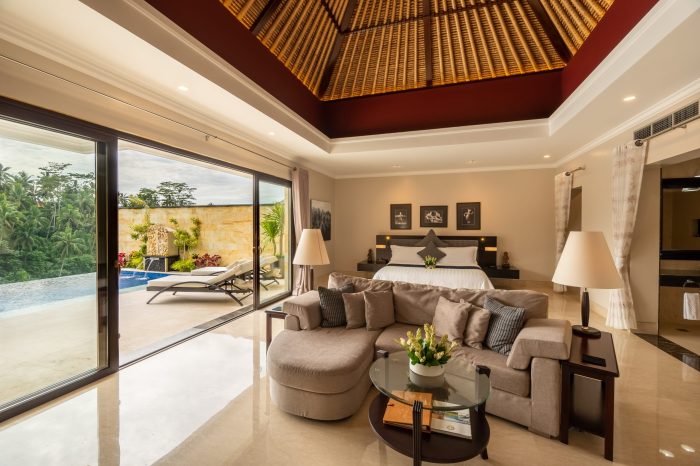
Creating a truly luxurious hotel and resort experience hinges on offering exceptional property features and amenities that go above and beyond the expected. These elements contribute significantly to guest satisfaction and brand differentiation in a highly competitive market. A thoughtful approach to design, location, and service creates an unforgettable stay.
Desirable Features and Amenities in Luxury Hotels and Resorts
Luxury accommodations are defined by more than just opulent rooms; they encompass a holistic experience. Guests expect seamless service, sophisticated design, and access to exclusive amenities. This includes spacious and well-appointed rooms and suites featuring high-end finishes, comfortable bedding, and advanced technology. Beyond the rooms, fitness centers, spas, swimming pools (both indoor and outdoor), and fine-dining restaurants are standard, but the level of quality and exclusivity is what truly sets luxury apart. Consider the Bulgari Hotel in Milan, renowned for its impeccable service and stunning design reflecting the brand’s heritage. Its spa, for instance, offers a truly unique and luxurious experience, setting a high benchmark for the industry.
Architectural and Design Elements Contributing to a Luxurious Ambiance
The architecture and interior design play a pivotal role in establishing the luxurious ambiance. Think of the use of natural materials like marble, wood, and stone, combined with bespoke furniture and artwork. High ceilings, large windows offering stunning views, and thoughtful lighting schemes all contribute to a feeling of spaciousness and elegance. A sense of privacy is crucial; this can be achieved through thoughtful room layouts, private balconies or terraces, and secluded common areas. The Ritz-Carlton hotels globally exemplify this, consistently maintaining a sophisticated and elegant design language across their properties.
Unique and Luxurious Amenities to Differentiate a Collection
Offering unique amenities is key to standing out. This goes beyond the standard spa and gym; consider experiences that cater to specific interests and desires.
| Category | Amenity | Description | Example |
|---|---|---|---|
| Personalized Service | Dedicated Concierge | A personal assistant anticipating and fulfilling guest needs. | Arranging private helicopter tours, securing exclusive restaurant reservations. |
| Wellness & Relaxation | Private Yoga Pavilion | A tranquil space for private yoga and meditation sessions. | Overlooking a scenic garden or ocean view, equipped with high-end yoga mats and props. |
| Culinary Experiences | Private Chef Dining | In-room dining prepared by a Michelin-starred chef. | Customized menus based on guest preferences and dietary restrictions. |
| Exclusive Access | Private Beach Club | Exclusive access to a private beach with personalized service. | Cabanas, butler service, curated cocktails, and water sports. |
Ideal Location and Setting for a Luxury Hotel and Resort Collection
Location is paramount. Luxury hotels and resorts often seek breathtaking scenery, whether it’s a pristine beach, a mountaintop vista, or a vibrant city center. Accessibility is also a factor; convenient access to airports and transportation links is essential. Finally, the local culture and its integration into the hotel experience should be considered. The Four Seasons resorts, for example, are strategically located in destinations renowned for their natural beauty and cultural richness, often incorporating local art and cuisine into the guest experience.
Sustainability and Responsible Tourism: Luxury Hotel And Resort Collection
Source: valenciahotelcollection.com
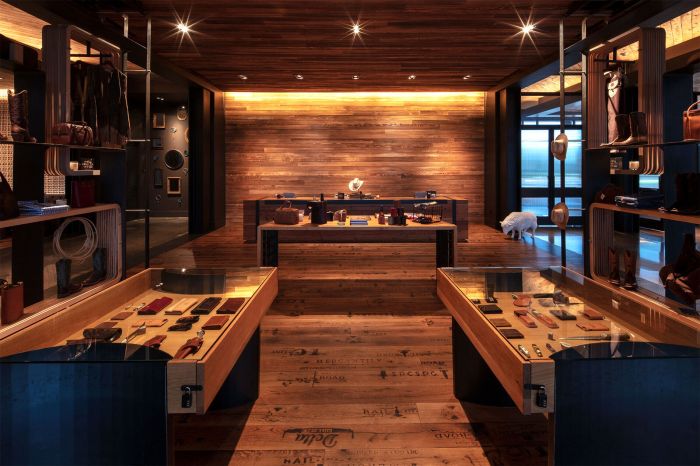
In today’s world, luxury travel is increasingly intertwined with a commitment to environmental and social responsibility. Guests are more discerning than ever, seeking experiences that align with their values, and a strong sustainability ethos is no longer a “nice-to-have” but a crucial element for success in the luxury hotel and resort sector. It’s about preserving the very environments that attract travelers and ensuring the well-being of local communities.
Luxury hotels and resorts have a significant environmental footprint, consuming considerable resources and generating waste. Embracing sustainable practices isn’t just about reducing this impact; it’s about creating a more authentic and enriching experience for guests while safeguarding the planet for future generations. This involves a holistic approach, encompassing energy efficiency, waste management, water conservation, and responsible sourcing of materials.
Examples of Sustainable Luxury Hotel Collections
Many luxury hotel collections are actively integrating sustainable practices into their operations. For example, the Four Seasons Hotels and Resorts has implemented various sustainability initiatives across its properties, including reducing water and energy consumption, sourcing local and organic food, and supporting community development projects. Similarly, the Ritz-Carlton Hotel Company has focused on minimizing its environmental impact through programs that promote energy efficiency, waste reduction, and responsible sourcing. These initiatives demonstrate that luxury and sustainability can coexist successfully. Their commitment isn’t merely a marketing tactic; it’s woven into their operational fabric.
Enhancing Guest Experience and Brand Image through Eco-Friendly Initiatives
Eco-friendly initiatives not only benefit the environment but also significantly enhance the guest experience and brand image. Guests appreciate the opportunity to stay in a property that prioritizes sustainability, often viewing it as a reflection of the hotel’s commitment to quality and ethical practices. By highlighting their sustainable efforts, luxury hotels can attract environmentally conscious travelers, building brand loyalty and a positive reputation. This can translate into increased occupancy rates, higher average daily rates, and a stronger competitive advantage. For instance, a hotel showcasing its solar panel system and locally sourced food menu not only reduces its environmental impact but also offers a unique selling point, creating a memorable and meaningful guest experience.
Hypothetical Luxury Eco-Resort: “The Emerald Isle”
Imagine “The Emerald Isle,” a hypothetical luxury eco-resort nestled amidst a lush rainforest on a secluded island. The resort’s design seamlessly integrates with its natural surroundings, using locally sourced, sustainable materials like bamboo and reclaimed wood.
- Design Features: Open-air architecture maximizes natural light and ventilation, minimizing energy consumption. Buildings are designed to blend harmoniously with the landscape, minimizing disruption to the ecosystem. The resort utilizes renewable energy sources, such as solar and wind power.
- Sustainable Practices: Water is harvested from rainwater collection systems and treated using a greywater recycling system. Waste is meticulously managed through composting and recycling programs. The resort sources food locally, supporting local farmers and reducing transportation emissions. All toiletries and amenities are organic and ethically sourced.
- Guest Experiences: Guests can participate in guided nature walks, learn about local flora and fauna, and contribute to the resort’s conservation efforts through volunteering opportunities. The resort offers educational programs on sustainability and responsible tourism. Excursions focus on experiencing the natural beauty of the island in a respectful and low-impact manner.
The Emerald Isle demonstrates that luxury and sustainability can be beautifully intertwined, creating a unique and enriching experience for guests while minimizing environmental impact and contributing to the well-being of the local community. It showcases how eco-conscious design and operational practices can enhance the guest experience, build brand loyalty, and position a luxury resort as a leader in responsible tourism.
Competitive Landscape and Future Trends
Source: cntraveler.com
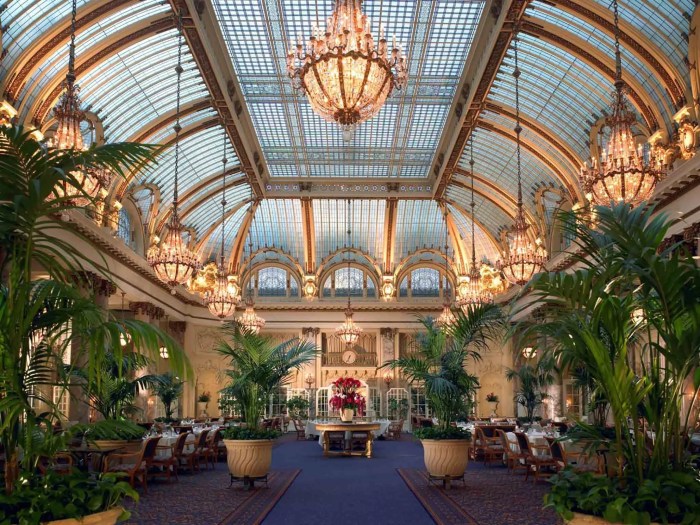
The luxury hotel and resort market is a fiercely competitive arena, dominated by a handful of powerful brands and independent players constantly vying for the discerning traveler’s attention. Understanding this landscape, along with emerging trends, is crucial for any collection hoping to thrive. Success hinges on offering unique experiences that resonate with a sophisticated clientele increasingly seeking personalization and authenticity.
The major players in this market are diverse, ranging from established global chains like Four Seasons Hotels and Resorts, Ritz-Carlton, and Mandarin Oriental, to smaller, more boutique collections focusing on specific niches or geographical locations. These collections employ various strategies, often overlapping, to attract and retain guests.
Major Players and Their Strategies
Global luxury hotel chains leverage their established brand recognition, extensive global reach, and consistent service standards to attract a wide customer base. Their strategies often center on consistent brand messaging, loyalty programs, and strategic partnerships to enhance guest experiences. In contrast, smaller, independent luxury collections often focus on unique selling propositions (USPs), such as exceptional location, hyper-personalized service, or a commitment to sustainability. For example, a collection of eco-lodges in the Amazon might emphasize its commitment to environmental conservation and immersive wildlife experiences, while a city-based collection might highlight its proximity to cultural attractions and bespoke concierge services.
Emerging Trends in Luxury Hospitality
The luxury hospitality industry is experiencing significant shifts driven by evolving guest expectations. Personalized experiences are no longer a luxury but an expectation. Guests anticipate tailored itineraries, customized room amenities, and anticipatory service based on their preferences and past interactions. Wellness tourism is another booming sector, with guests increasingly seeking destinations and experiences that promote physical and mental well-being. This translates to hotels offering comprehensive spa facilities, yoga retreats, healthy dining options, and opportunities for mindfulness and relaxation. Technological advancements are also transforming the guest experience, from contactless check-in and mobile concierge services to AI-powered personalization and smart room technology.
A Vision of the Future: Luxury Hotel and Resort Collections in 2030
Imagine a luxury resort nestled within a breathtaking natural landscape. The architecture seamlessly blends with the environment, utilizing sustainable materials and energy-efficient designs. Guests arrive via autonomous vehicles, greeted by a personalized digital concierge who anticipates their needs throughout their stay. Rooms are equipped with advanced smart technology, allowing for customized lighting, temperature, and entertainment. Wellness is integrated throughout the experience, with personalized fitness programs, on-demand meditation sessions, and access to holistic wellness practitioners. Dining experiences are hyper-personalized, with menus curated based on individual dietary needs and preferences. The resort actively promotes sustainable practices, partnering with local communities and organizations to minimize its environmental impact. This is just one example; the future of luxury hotel and resort collections will be characterized by a focus on hyper-personalization, technological integration, and a strong commitment to sustainability and authentic cultural experiences, reflecting a growing demand for meaningful and transformative travel. Think of brands like Aman Resorts, already pushing boundaries in design and experiential offerings, as a benchmark for this vision. They are leading the way in creating immersive and deeply personal experiences in unique and stunning locations.
Ending Remarks

Source: upgradedpoints.com
Ultimately, the success of a luxury hotel and resort collection hinges on a delicate balance: providing unparalleled luxury and personalized service while maintaining a commitment to sustainability and adapting to the ever-changing demands of discerning travelers. By understanding the key elements of branding, guest experience, and responsible tourism, these collections can not only thrive but also shape the future of the hospitality industry, setting new standards of excellence and leaving an enduring legacy of exceptional travel experiences. The journey towards crafting a truly unforgettable experience is a continuous evolution, one that requires innovation, dedication, and a deep understanding of the discerning traveler’s desires.