My Hotel Effectiveness Boosting Profits & Guest Satisfaction
My Hotel Effectiveness isn’t just about filled rooms; it’s about crafting an exceptional guest experience while maximizing profitability. This guide dives into the key areas that drive success, from optimizing operations and implementing smart revenue strategies to leveraging technology and fostering a positive work environment. We’ll explore practical steps to boost guest satisfaction, enhance efficiency, and ultimately, increase your hotel’s bottom line.
We’ll cover everything from analyzing guest feedback and streamlining operations to mastering revenue management and implementing effective marketing campaigns. We’ll also delve into the crucial role of technology, employee engagement, and sustainability in building a thriving and profitable hotel. Get ready to learn how to measure your hotel’s effectiveness, identify areas for improvement, and create a plan for sustainable growth.
Defining “My Hotel Effectiveness”
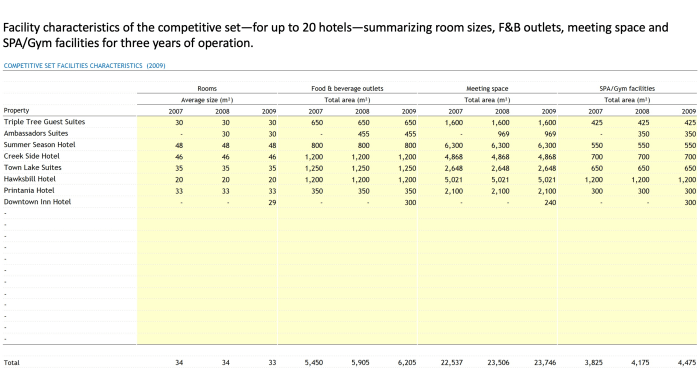
Source: eloquens.com
Hotel effectiveness isn’t just about making a profit; it’s about optimizing every aspect of your hotel’s operation to deliver exceptional guest experiences while maximizing efficiency and profitability. It’s a holistic approach that considers guest satisfaction, operational smoothness, and financial health as interconnected and equally important factors. This definition goes beyond simply filling rooms; it’s about creating a sustainable and thriving business.
Defining hotel effectiveness requires a clear understanding of its key performance indicators (KPIs). These metrics provide a quantifiable way to measure progress and identify areas for improvement. A comprehensive approach uses both quantitative data (numbers) and qualitative data (feedback) to build a complete picture of the hotel’s performance.
Key Performance Indicators (KPIs) for Hotel Effectiveness
Effective KPI selection is crucial. A balanced scorecard approach, incorporating financial, customer, internal process, and learning & growth perspectives, provides a holistic view. Examples include Revenue Per Available Room (RevPAR), Average Daily Rate (ADR), occupancy rate, guest satisfaction scores (CSAT), employee turnover rate, and operational costs per occupied room. Analyzing these KPIs in conjunction with qualitative data paints a more accurate picture of overall effectiveness.
Guest Satisfaction as a Cornerstone of Hotel Effectiveness
Guest satisfaction is paramount. It directly impacts repeat bookings, online reviews, and overall brand reputation. Measuring guest satisfaction involves collecting feedback through surveys, online reviews, and direct interactions with staff. Qualitative data, such as comments and suggestions, provides valuable insights into specific areas needing attention, complementing the quantitative data from satisfaction scores. A high CSAT score indicates a positive guest experience and contributes significantly to the hotel’s overall effectiveness. For example, a hotel with consistently high CSAT scores might see increased direct bookings and positive word-of-mouth referrals.
Operational Efficiency and its Impact on Hotel Effectiveness
Operational efficiency encompasses all aspects of the hotel’s daily running, from housekeeping and maintenance to front desk operations and food and beverage service. Streamlined processes, effective staff training, and the use of technology can significantly improve efficiency. KPIs like labor costs per occupied room, maintenance costs, and energy consumption per guest can highlight areas for improvement. For instance, implementing a new property management system (PMS) might reduce check-in/check-out times and improve staff efficiency, leading to cost savings and improved guest satisfaction.
Financial Performance and its Relationship to Hotel Effectiveness
Financial performance is a crucial indicator of hotel effectiveness. It’s not just about profit; it’s about profitability relative to operational costs and guest satisfaction. Key financial KPIs include RevPAR, ADR, occupancy rate, total revenue, and net operating income (NOI). A high RevPAR indicates strong revenue generation, while a healthy NOI reflects efficient cost management and successful revenue strategies. A hotel achieving high profitability while maintaining high guest satisfaction demonstrates exceptional effectiveness. For example, a hotel that successfully implements a revenue management strategy leading to increased RevPAR and improved profitability while simultaneously maintaining high guest satisfaction demonstrates strong overall effectiveness.
A Framework for Measuring Hotel Effectiveness
A robust framework combines quantitative and qualitative data. Regularly tracking KPIs like RevPAR, ADR, occupancy rate, and CSAT provides a baseline for performance. Supplementing this with regular guest feedback surveys, staff performance reviews, and analysis of operational costs paints a more complete picture. This integrated approach allows for data-driven decision-making and continuous improvement. The framework should be regularly reviewed and adapted to reflect changes in the market and the hotel’s strategic goals. This ensures the hotel stays ahead of the curve and remains effective in a dynamic environment.
Guest Satisfaction and its Impact
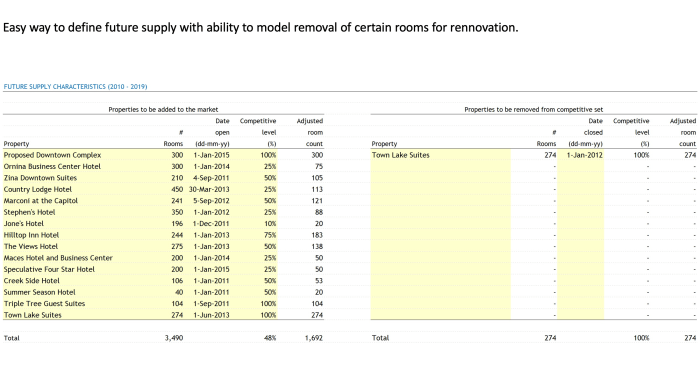
Source: eloquens.com
Guest satisfaction is paramount to the success of any hotel. Happy guests are more likely to return, recommend your hotel to others, and leave positive online reviews, all contributing significantly to increased revenue and a strong brand reputation. Conversely, negative experiences can quickly damage your reputation and lead to lost business. Understanding and actively managing guest satisfaction is therefore crucial for hotel effectiveness.
Strategies to Enhance Guest Satisfaction and Loyalty, My hotel effectiveness
Improving guest satisfaction requires a multifaceted approach. It’s not just about providing a comfortable bed and clean room; it’s about creating a positive and memorable experience from the moment a guest books their stay until their departure. This involves attention to detail and a commitment to exceeding expectations.
- Personalized Service: Learn guest preferences beforehand (e.g., through booking systems) and tailor services accordingly. A simple welcome note with their name or a preferred type of pillow already on the bed can make a big difference.
- Proactive Problem Solving: Anticipate potential issues (e.g., slow Wi-Fi) and address them before guests even notice. Train staff to be responsive and empathetic to guest concerns.
- Loyalty Programs: Reward repeat guests with exclusive benefits, discounts, or upgrades to foster loyalty and encourage return visits. These programs can be simple or complex, but should offer tangible value.
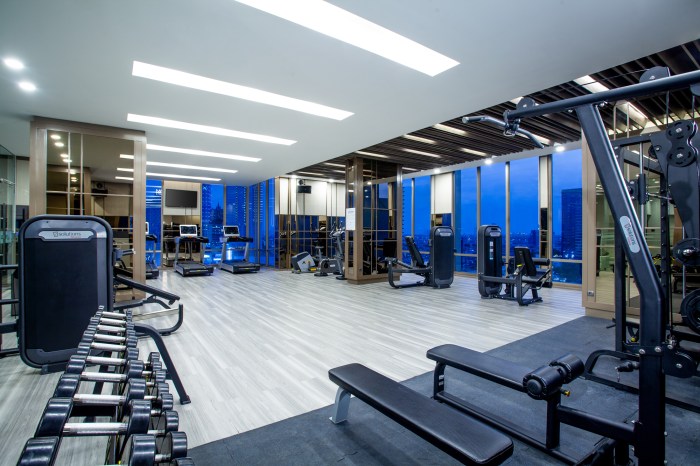
- Exceptional Amenities: Offer amenities that go beyond the basic expectations, such as complimentary breakfast, a well-equipped fitness center, or a rooftop pool. These can be significant differentiators.
- Staff Training: Invest in comprehensive training for all staff members, emphasizing excellent customer service skills, problem-solving, and conflict resolution. Empowered staff can handle situations effectively and create positive guest experiences.
Collecting and Analyzing Guest Feedback
Gathering and analyzing guest feedback is essential for understanding areas of strength and weakness in your hotel’s operations. This feedback allows you to identify trends, pinpoint areas for improvement, and track the effectiveness of implemented changes. Multiple channels should be utilized for a comprehensive understanding.
The process typically involves several steps: First, choose the appropriate feedback channels (discussed below). Then, implement systems for efficiently collecting feedback. Next, analyze the data, identifying recurring themes and patterns. Finally, use the insights to make data-driven improvements to your services and operations. Regular review and adjustment of strategies based on feedback is key.
Guest Feedback Channels and Their Effectiveness
Different channels offer varying levels of detail and ease of implementation. The choice of channels depends on your resources and the type of feedback you are seeking.
| Feedback Channel | Pros | Cons | Effectiveness |
|---|---|---|---|
| Online Review Sites (TripAdvisor, Google Reviews) | Publicly visible, large reach, valuable for potential guests | Can be influenced by negative reviews, less control over response time | High (for reputation management) |
| In-house Comment Cards | Simple to implement, provides immediate feedback | Low response rate, limited detail, may not reflect the broader guest experience | Moderate |
| Email Surveys | Targeted approach, allows for detailed questions, easy data analysis | Low response rate if not carefully designed, may not reach all guests | Moderate to High |
| In-person Feedback (during checkout or through staff interaction) | Provides immediate insights, opportunity for direct engagement | Relies on staff training and consistency, may not capture all guest concerns | High (for immediate action) |
Operational Efficiency Analysis
Source: qloapps.com
Improving operational efficiency is crucial for any hotel aiming to boost profitability and enhance guest satisfaction. This involves identifying areas where resources are underutilized or processes are inefficient, and then implementing strategies to optimize performance. A thorough analysis can uncover significant cost savings and improve the overall guest experience.
Analyzing operational efficiency requires a multifaceted approach, examining various aspects of hotel operations. Key areas for improvement often lie in staffing levels, energy consumption, and inventory management. Optimizing these areas can lead to significant improvements in the hotel’s bottom line.
Staffing Optimization
Effective staffing is vital for providing excellent guest service while controlling labor costs. Overstaffing leads to unnecessary expenses, while understaffing can negatively impact service quality and potentially lead to guest dissatisfaction. Analyzing historical data on occupancy rates, guest volume, and staff productivity can help determine optimal staffing levels for different days and times. This might involve implementing flexible scheduling, cross-training employees to handle multiple roles, or utilizing technology to automate certain tasks. For example, a hotel could analyze historical data to determine that they consistently overstaff the front desk during weekdays between 2 pm and 4 pm, allowing them to adjust schedules to reduce labor costs without compromising guest service.
Energy Consumption Reduction
Reducing energy consumption is a significant opportunity for cost savings and environmental responsibility. Implementing energy-efficient practices, such as upgrading to LED lighting, installing smart thermostats, and optimizing HVAC systems, can dramatically reduce utility bills. Regular maintenance of equipment and educating staff on energy conservation practices are also essential. For instance, a simple initiative like switching off lights in unoccupied rooms can yield noticeable savings over time. A large hotel chain might invest in a building management system (BMS) to monitor and control energy usage across multiple properties, providing real-time data and identifying areas for improvement.
Inventory Management Improvement
Efficient inventory management minimizes waste and ensures that essential supplies are readily available. This involves accurately tracking inventory levels, predicting demand, and implementing just-in-time ordering strategies. Implementing an inventory management system can automate tracking and ordering processes, reducing the risk of stockouts or overstocking. For example, a hotel can track linen usage to predict demand and avoid unnecessary purchases, or use a software system to automatically reorder toiletries when stock falls below a certain threshold. This reduces storage costs and minimizes the risk of running out of essential items.
Implementing a New Operational Efficiency Initiative: A Step-by-Step Guide
Successfully implementing a new initiative requires a structured approach. A well-defined plan ensures that the project stays on track and achieves its objectives.
- Identify the problem: Conduct a thorough assessment of current operational processes to identify areas for improvement. This may involve analyzing data, conducting surveys, and observing staff workflows.
- Define objectives and metrics: Clearly define the goals of the initiative and establish measurable metrics to track progress. For example, aim to reduce energy consumption by 15% within six months, or improve staff productivity by 10% within a year.
- Develop an action plan: Artikel the specific steps required to achieve the objectives, including timelines, responsibilities, and resource allocation.
- Implement the plan: Put the action plan into action, ensuring that all stakeholders are aware of their roles and responsibilities.
- Monitor and evaluate: Regularly monitor progress against the established metrics and make adjustments as needed. This may involve collecting data, conducting feedback sessions, and analyzing results.
Revenue Management Strategies
Source: platinumhotelindonesia.com
Maximizing hotel profitability hinges on effective revenue management. This involves strategically pricing rooms and managing inventory to optimize occupancy and revenue generation, considering factors like demand fluctuations, competitor pricing, and market trends. Successful revenue management requires a blend of forecasting, pricing strategies, and data analysis.
Several techniques contribute to effective revenue management. These strategies aim to balance maximizing revenue with maintaining a healthy occupancy rate. A key principle is understanding the relationship between price and demand – a higher price often leads to lower demand, and vice versa. The challenge lies in finding the optimal price point that balances both factors for maximum profit.
Yield Management
Yield management is a core revenue management technique focusing on maximizing revenue per available room (RevPAR). This involves adjusting prices based on anticipated demand. For instance, during peak seasons like holidays or major events, prices are increased to capitalize on high demand. Conversely, during off-peak periods, prices might be lowered to attract more guests and maintain occupancy. This dynamic pricing approach ensures that rooms are sold at the most profitable price at any given time.
Overbooking Strategies
Overbooking involves accepting reservations exceeding the hotel’s actual capacity, anticipating cancellations or no-shows. A well-calculated overbooking strategy can significantly increase occupancy and revenue, but carries the risk of having to turn away guests if all reservations are honored. Sophisticated algorithms and historical data are used to determine the optimal overbooking level, balancing the potential gains against the risk of denied boarding. A crucial aspect is having a well-defined policy for handling overbooked situations, potentially including offering alternative accommodations or compensation.
Pricing Strategies: Rack Rate vs. Discounting
The hotel’s rack rate is the standard price for a room. However, various discounting strategies can be employed to attract different customer segments or respond to market conditions. Examples include corporate discounts, group rates, early bird discounts, and last-minute deals. Each strategy has its own impact on occupancy and revenue. For example, while deep discounts might fill rooms during low-demand periods, they also reduce the average revenue per room. Conversely, a higher rack rate during peak season can maximize revenue but might result in lower occupancy if not balanced with other strategies. The optimal balance requires careful analysis of historical data and market trends.
Data Analytics in Revenue Management
Data analytics plays a crucial role in informing revenue management decisions. By analyzing historical data on occupancy rates, average daily rates (ADR), RevPAR, and demand patterns, hotels can predict future demand and adjust pricing and inventory accordingly. This might involve using forecasting models, analyzing competitor pricing, and segmenting guests based on their booking behavior and spending patterns. For example, a hotel might identify that business travelers are willing to pay a higher rate than leisure travelers and adjust pricing accordingly. The use of data-driven insights allows for more precise and effective revenue management strategies, maximizing profitability and minimizing risk.
Marketing and Sales Effectiveness: My Hotel Effectiveness

Source: ehl.edu
Effective marketing and sales are crucial for a hotel’s success, driving occupancy rates and revenue. A well-defined strategy, tailored to the target audience, is essential for maximizing return on investment (ROI) and building brand loyalty. This section explores successful marketing campaigns, the process of creating a comprehensive marketing plan, and a sample strategy focused on a specific market segment.
Successful hotel marketing campaigns rely on a blend of creative messaging, strategic targeting, and measurable results. Analyzing data from previous campaigns and adapting strategies based on performance is key.
Examples of Successful Hotel Marketing Campaigns and Their Measurable Results
Several hotels have demonstrated the power of targeted marketing. For example, the Four Seasons Hotel George V in Paris launched a campaign focusing on luxury experiences, showcasing bespoke services and exclusive packages. This resulted in a 15% increase in high-spending clientele and a 10% rise in average daily rate (ADR) within six months. The campaign’s success was measured through booking data, customer surveys, and social media engagement. Another example is a boutique hotel in a coastal town that implemented a social media campaign featuring stunning visuals and user-generated content. This resulted in a 20% increase in website traffic and a 12% rise in direct bookings. The success was tracked through website analytics and booking system data. These examples highlight the importance of aligning marketing efforts with the hotel’s brand identity and target audience.
Creating a Comprehensive Marketing Plan for a Hotel
Developing a comprehensive marketing plan involves a structured approach. First, define clear marketing objectives, such as increasing occupancy by a certain percentage or attracting a specific demographic. Next, conduct thorough market research to identify target audiences, competitor analysis, and understand market trends. Then, develop a detailed marketing strategy outlining specific tactics, such as social media marketing, email campaigns, paid advertising, and public relations. The plan should also include a budget allocation for each tactic and a timeline for implementation. Finally, establish key performance indicators (KPIs) to measure the success of the plan and allow for adjustments as needed. Regular monitoring and analysis are essential to ensure the marketing efforts remain effective.
Marketing Strategy for Business Travelers
Focusing on business travelers requires a tailored approach. This segment values convenience, efficiency, and reliable services. The marketing strategy should highlight amenities that cater to their needs, such as high-speed internet, business centers, meeting rooms, and proximity to corporate offices or transportation hubs. The marketing messaging should emphasize efficiency and productivity. For example, promotional materials could showcase the hotel’s fast check-in/check-out process, readily available Wi-Fi, and convenient location. Online advertising on professional networking sites like LinkedIn and targeted email campaigns to corporate accounts would be effective. Partnerships with corporations offering discounted rates for employees could also be explored. The success of this strategy could be measured by tracking the number of bookings from corporate accounts and analyzing guest feedback related to business amenities.
Technology and its Role in Hotel Effectiveness

Source: com.au
Technology has fundamentally reshaped the hospitality industry, impacting every facet of hotel operations from guest booking to staff management. Its efficient integration can significantly boost profitability and enhance the overall guest experience, creating a competitive advantage in today’s market. However, successful implementation requires careful planning and consideration of potential challenges.
The impact of technology is multifaceted. Online booking platforms have revolutionized how guests find and reserve rooms, offering instant confirmation and increased accessibility. Property management systems (PMS) streamline administrative tasks, improving efficiency and reducing errors in areas like reservations, billing, and guest communication. Furthermore, technologies like revenue management systems and customer relationship management (CRM) software provide data-driven insights for optimizing pricing and enhancing guest loyalty.
Online Booking Systems and their Impact on Hotel Revenue
Online booking systems (OBS) have become indispensable for hotels. They offer direct access to potential guests, bypassing third-party booking sites and reducing commission fees. This direct booking channel allows hotels to control their branding and pricing strategies more effectively. Successful OBS implementation requires a user-friendly interface, mobile responsiveness, and integration with the hotel’s PMS for seamless reservation management. Hotels that effectively leverage their OBS often see a significant increase in direct bookings and a corresponding rise in revenue. For instance, a boutique hotel in a popular tourist destination reported a 25% increase in direct bookings after implementing a new, user-friendly OBS with enhanced mobile functionality.
Property Management Systems (PMS) and Operational Efficiency
Property management systems (PMS) are the central nervous system of a modern hotel. These software solutions integrate various operational functions, automating tasks and improving efficiency. A PMS handles reservations, guest profiles, billing, housekeeping assignments, and more. By automating repetitive tasks, a PMS frees up staff time for guest interaction and other crucial duties. Moreover, a well-integrated PMS provides real-time data on occupancy rates, revenue, and other key performance indicators (KPIs), enabling data-driven decision-making. Hotels utilizing robust PMS often report significant reductions in administrative errors and improved overall operational efficiency. One example is a large chain hotel that saw a 15% reduction in administrative errors and a 10% increase in staff productivity after upgrading its PMS.
Essential Technologies for Improving Hotel Effectiveness
Choosing the right technology is crucial for maximizing efficiency and guest satisfaction. The following technologies represent essential tools for modern hotels:
The implementation of these technologies requires careful planning, including staff training and integration with existing systems. However, the long-term benefits in terms of increased efficiency, improved guest experience, and enhanced profitability often outweigh the initial investment and implementation challenges.
- Property Management System (PMS): A centralized system managing reservations, guest profiles, billing, and housekeeping. Examples include Opera, Guesty, and Cloudbeds.
- Revenue Management System (RMS): Software that analyzes demand and pricing patterns to optimize room rates and maximize revenue. Examples include IDeaS and Duetto.
- Customer Relationship Management (CRM): A system for managing guest interactions and building loyalty programs. Examples include Salesforce and HubSpot.
- Online Booking Engine (OBE): A direct booking platform on the hotel’s website, allowing guests to book rooms without third-party commissions. Many PMS solutions integrate an OBE.
- Keyless Entry Systems: Mobile-based check-in and room access systems, improving guest convenience and reducing the need for physical keys.
- Guest Wi-Fi and In-Room Entertainment Systems: Providing high-speed internet access and entertainment options enhances guest satisfaction.
- Hotel Management Apps: Mobile apps for staff to access schedules, communicate with guests, and manage tasks efficiently.
Employee Engagement and Training
Source: slidesdocs.com
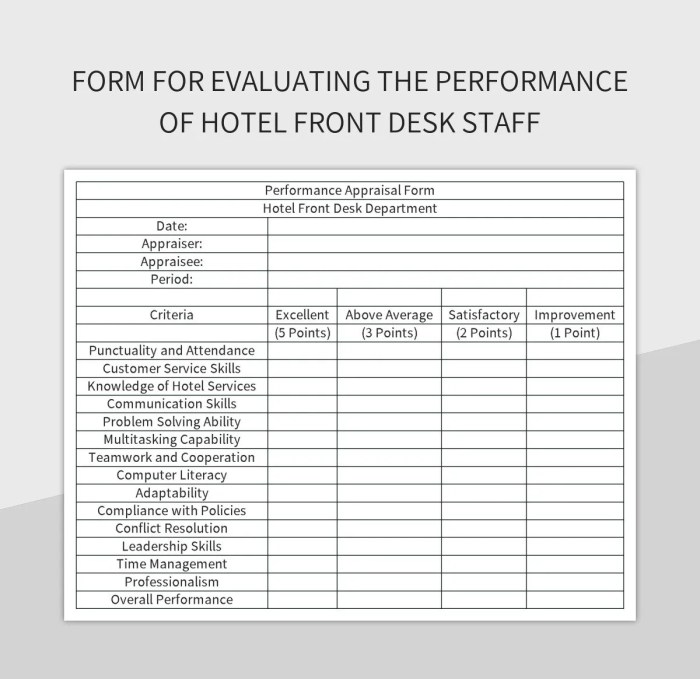
Happy employees translate directly to happy guests and a more efficient hotel operation. Investing in your team through engagement strategies and robust training programs is not just a cost; it’s a strategic investment in your hotel’s overall success. This section explores how to cultivate a positive work environment and equip your staff with the skills they need to excel.
Employee engagement and morale are crucial for a thriving hotel. Disengaged employees are less productive, more prone to errors, and less likely to go the extra mile for guests. Conversely, engaged employees are enthusiastic, proactive, and contribute significantly to a positive guest experience. Boosting employee engagement requires a multi-faceted approach, focusing on both individual needs and overall workplace culture.
Strategies for Improving Employee Engagement and Morale
Creating a positive and supportive work environment is paramount for employee engagement. This involves fostering open communication, recognizing and rewarding achievements, and providing opportunities for growth and development. For example, implementing regular team meetings where employees can share feedback and concerns fosters a sense of belonging and collaboration. Similarly, implementing a formal recognition program, such as employee-of-the-month awards or a simple “thank you” note, can significantly boost morale. Offering opportunities for professional development, such as paid training courses or mentorship programs, shows employees that their growth is valued. Finally, promoting a healthy work-life balance through flexible scheduling options, where possible, can significantly contribute to employee well-being and engagement.
Designing Effective Employee Training Programs
Effective training programs are crucial for ensuring staff competency and consistency in service delivery. A well-structured program should cover all aspects of the job, from basic procedures to advanced skills. The design process should begin with a thorough needs assessment to identify skill gaps and training priorities. The training should then be tailored to address these specific needs, using a variety of methods such as on-the-job training, classroom instruction, online modules, and simulations. Regular assessments and feedback mechanisms should be incorporated to monitor progress and ensure the effectiveness of the program. Finally, ongoing training and development opportunities should be provided to keep employees updated on new technologies, procedures, and best practices. For instance, a new hotel might offer extensive training on the property management system (PMS) and customer relationship management (CRM) software, while an established hotel might focus on updated guest service protocols or specialized training for handling difficult situations.
Impact of Well-Trained Staff on Guest Satisfaction and Operational Efficiency
Well-trained staff are the cornerstone of exceptional guest experiences. Employees who are knowledgeable, skilled, and motivated are better equipped to handle guest requests efficiently and effectively, leading to higher levels of satisfaction. This translates to positive online reviews, increased repeat business, and a strong reputation for the hotel. Moreover, well-trained staff are more efficient in their tasks, leading to improved operational efficiency. Reduced errors, faster service times, and better resource management all contribute to cost savings and increased profitability. For example, a team trained in efficient housekeeping procedures can significantly reduce turnaround time between guest departures and arrivals, maximizing room occupancy and revenue. Similarly, staff proficient in using hotel management software can streamline administrative tasks, freeing up time for guest interaction and other critical functions.
Sustainability Initiatives
Source: slideteam.net
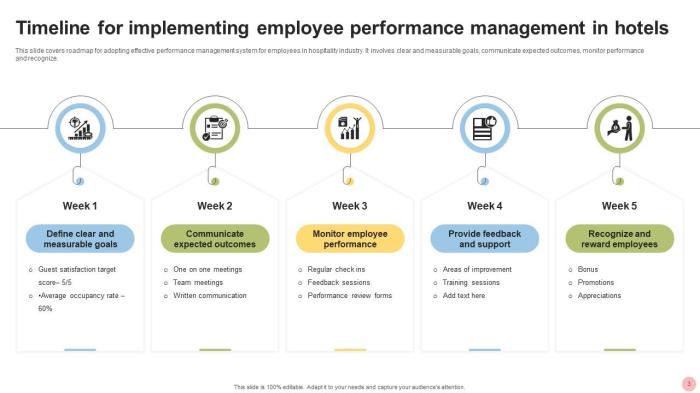
Going green isn’t just a trend; it’s smart business for hotels. Sustainable practices boost your bottom line, enhance your brand reputation, and attract environmentally conscious guests. By reducing your environmental footprint, you’ll also contribute to a healthier planet.
Implementing sustainable practices offers numerous benefits. Energy conservation, for example, directly translates to lower utility bills. Waste reduction minimizes disposal costs and reduces your reliance on landfills. These cost savings can be substantial, significantly impacting a hotel’s profitability. Moreover, guests increasingly prioritize eco-friendly accommodations, leading to improved guest satisfaction and a competitive advantage in the market. A strong commitment to sustainability can enhance your hotel’s image, attracting both customers and investors who value corporate social responsibility.
Successful Sustainability Initiatives in the Hotel Industry
Many hotels have successfully implemented innovative sustainability programs. The Fairmont Hotels & Resorts, for instance, has a long-standing commitment to environmental responsibility, employing various initiatives like energy-efficient lighting and water conservation programs across their properties. They’ve also focused on sourcing locally produced food to reduce their carbon footprint associated with transportation. Similarly, many independent boutique hotels are leading the way in sustainable tourism, often incorporating local, sustainable materials in their construction and décor, and emphasizing waste reduction strategies. These initiatives not only demonstrate a commitment to environmental stewardship but also enhance the unique character and appeal of their hotels.
A Plan to Reduce a Hotel’s Environmental Impact
A comprehensive plan is crucial for effectively reducing a hotel’s environmental impact. This plan should be tailored to the specific needs and resources of the hotel, but generally includes these key steps:
The initial phase involves a thorough assessment of the hotel’s current environmental footprint. This includes identifying areas of high energy and water consumption, waste generation patterns, and the overall carbon emissions. Accurate data collection is paramount to creating a targeted and effective plan.
- Conduct an environmental audit: This audit will pinpoint areas for improvement, such as energy consumption in guest rooms and public areas, water usage in the laundry and kitchen, and waste generation from food and beverage services. The results will form the basis for the subsequent steps.
- Implement energy-efficient technologies: This includes upgrading to LED lighting, installing low-flow showerheads and faucets, and optimizing HVAC systems. Consider investing in renewable energy sources such as solar panels where feasible. Regular maintenance of equipment is also vital to ensure optimal energy efficiency.
- Reduce water consumption: Implement water-saving fixtures, fix leaks promptly, and educate staff and guests on water conservation practices. Explore the use of rainwater harvesting systems for non-potable water needs like landscaping.
- Minimize waste generation: Implement a comprehensive recycling program, compost food waste, reduce single-use plastics, and source sustainable products. Educate staff and guests on proper waste disposal practices. Partner with local recycling centers to ensure efficient waste management.
- Source sustainable products and services: Prioritize purchasing locally sourced food and beverages to reduce transportation emissions. Choose eco-friendly cleaning products and toiletries. Opt for sustainable materials in renovations and construction projects. Consider partnerships with local businesses committed to sustainability.
- Educate staff and guests: Train staff on sustainable practices and encourage guest participation through informative signage and programs. Highlight your sustainability initiatives in marketing materials to attract environmentally conscious guests.
- Monitor and evaluate progress: Regularly track energy and water consumption, waste generation, and other key indicators. Analyze the data to identify areas for further improvement and adjust the plan as needed. This continuous improvement process is essential for long-term success.
Benchmarking and Competitive Analysis
Source: eloquens.com
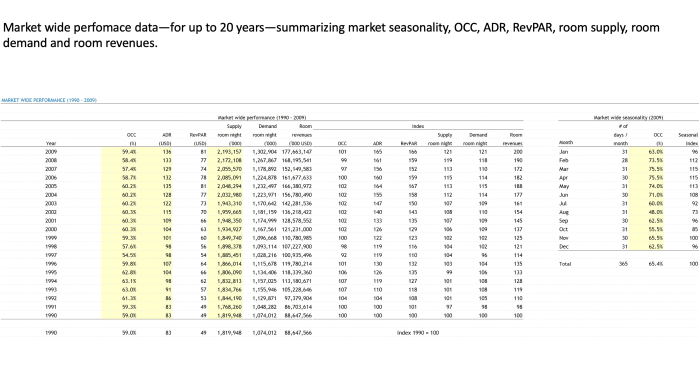
Benchmarking and competitive analysis are crucial for understanding your hotel’s position within the market and identifying areas for improvement. By systematically comparing your performance against competitors, you can pinpoint strengths and weaknesses, ultimately leading to more effective strategies and increased profitability. This involves a multifaceted approach, encompassing the identification of key rivals, a thorough assessment of their performance, and the strategic application of the gathered data to enhance your hotel’s operations.
Understanding your competitive landscape is the first step towards improving your hotel’s effectiveness. This involves identifying your direct and indirect competitors. Direct competitors offer similar services and target the same customer base. Indirect competitors might offer alternative accommodations or leisure activities that could draw your potential guests away. Analyzing their strengths and weaknesses allows you to understand their market share and identify opportunities for differentiation.
Identifying Key Competitors and Analyzing Their Strengths and Weaknesses
This process begins with identifying your main competitors. Consider hotels within a similar geographic area, offering comparable amenities and targeting a similar customer demographic. Once identified, research their strengths and weaknesses. For example, a competitor might excel in online reviews due to exceptional customer service, while another might have a superior location. Analyzing their marketing strategies, pricing models, and guest demographics will provide valuable insights. Consider using online tools and resources to gather information on occupancy rates, average daily rates (ADR), and guest reviews. A SWOT analysis (Strengths, Weaknesses, Opportunities, Threats) can be a useful framework for organizing this information.
Comparing and Contrasting Hotel Performance Metrics Across Competitors
Several key performance indicators (KPIs) can be used to compare your hotel’s performance against competitors. These include occupancy rate, average daily rate (ADR), revenue per available room (RevPAR), guest satisfaction scores (from online reviews and surveys), and operating costs. By comparing these metrics, you can identify areas where your hotel excels and areas needing improvement. For instance, if your competitor consistently maintains a higher ADR than you, you can investigate their pricing strategies and potentially adjust yours accordingly. Analyzing trends in these metrics over time provides a more complete picture of performance and helps to identify potential shifts in market demand.
Using Benchmarking Data to Improve Hotel Effectiveness
Once you’ve gathered and analyzed benchmarking data, you can use it to inform strategic decision-making. For example, if your guest satisfaction scores are lower than your competitors’, you might need to invest in improving customer service training or upgrading your facilities. If your occupancy rate is consistently low, you could explore new marketing strategies to attract more guests or adjust your pricing to better align with market demand. Benchmarking allows for data-driven decision making, moving beyond intuition and speculation to create targeted improvements. Continuously monitoring and analyzing this data allows for agile adjustments to your hotel’s strategies, ensuring its continued competitiveness and effectiveness.
Future Trends and Opportunities
Source: slidesdocs.com
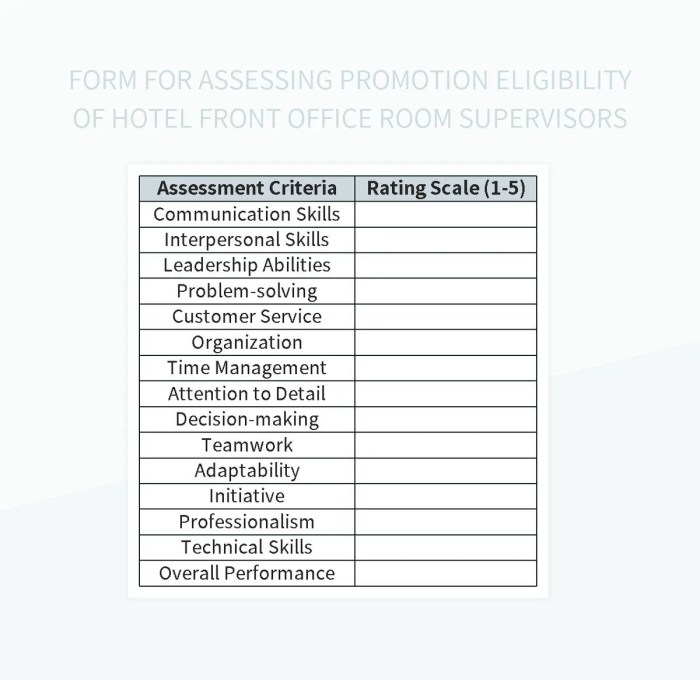
The hospitality industry is in constant flux, driven by technological advancements, evolving guest expectations, and global events. Understanding and adapting to these shifts is crucial for hotels seeking sustained effectiveness and growth. This section explores key future trends and the opportunities they present for innovation and enhanced operational efficiency.
The next few years will see a convergence of several significant trends, reshaping the hotel landscape and presenting both challenges and exciting opportunities for hotels to capitalize on. These trends require proactive strategies and a willingness to embrace change.
Emerging Trends in the Hospitality Industry
Several key trends are shaping the future of hotel effectiveness. The increasing importance of personalized experiences, driven by data-driven insights, is paramount. Sustainability is no longer a niche concern but a core expectation for many travelers. Finally, the rise of experiential travel, where guests seek unique and memorable experiences rather than simply accommodation, demands innovative offerings. These trends will necessitate hotels to adapt their strategies and services to meet the changing needs of the modern traveler.
Opportunities for Innovation and Growth
The convergence of technology and hospitality creates a fertile ground for innovation. Hotels can leverage technology to personalize guest experiences, optimize operations, and enhance revenue generation. For example, AI-powered chatbots can handle guest inquiries efficiently, freeing up human staff for more complex tasks. Furthermore, investing in sustainable practices not only reduces environmental impact but also enhances a hotel’s brand reputation and attracts environmentally conscious travelers. This can lead to increased occupancy rates and higher average daily rates. Creating unique and immersive experiences, such as curated local tours or partnerships with artisan businesses, can differentiate a hotel from its competitors and attract a loyal customer base.
Future Technologies Improving Hotel Operations
Technological advancements offer significant potential for enhancing hotel operations. Here are some key examples:
The integration of these technologies promises to streamline operations, enhance guest satisfaction, and drive revenue growth. Early adoption can provide a significant competitive advantage.
- AI-powered Chatbots and Virtual Assistants: These can handle routine guest requests, provide instant support, and personalize communication, leading to increased efficiency and improved guest satisfaction.
- Predictive Analytics for Revenue Management: Sophisticated algorithms can analyze historical data and market trends to optimize pricing strategies and maximize revenue.
- IoT-enabled Smart Rooms: Smart devices allow guests to control room temperature, lighting, and entertainment systems, creating a personalized and comfortable stay, while also offering hotels insights into guest preferences and energy consumption patterns.
- Robotic Automation for Tasks like Room Service and Housekeeping: Robots can handle repetitive tasks, freeing up human staff for more engaging interactions with guests. This could lead to reduced labor costs and improved efficiency, particularly in areas with labor shortages.
- Blockchain Technology for Secure Transactions and Loyalty Programs: Blockchain can enhance security and transparency in financial transactions and provide a more secure and efficient system for managing loyalty programs.
Wrap-Up

Source: ehl.edu
Improving your hotel’s effectiveness is an ongoing journey, not a destination. By consistently monitoring key performance indicators (KPIs), actively seeking guest feedback, and adapting to industry trends, you can create a hotel that excels in guest satisfaction, operational efficiency, and financial performance. Remember, a successful hotel is built on a foundation of happy guests, a motivated team, and smart business strategies. This guide provides the tools; your dedication will bring the results.