Priceline Reservations Your Guide to Booking
Priceline reservations offer a unique way to book travel, known for its “Express Deals” and often lower prices. This guide will walk you through the entire process, from finding the perfect hotel to navigating customer service, covering everything from booking methods to understanding potential hidden costs. We’ll compare Priceline to competitors, analyze customer reviews, and provide tips for a smooth and satisfying travel experience.
We’ll delve into the intricacies of Priceline’s pricing model, exploring factors like location, demand, and the type of accommodation. You’ll learn about various payment options, cancellation policies, and how to budget effectively for your trip. We’ll also examine Priceline’s user interface and customer service, offering suggestions for improvement and highlighting key features to watch out for.
Priceline Reservation Process
Source: thepointsinsider.com
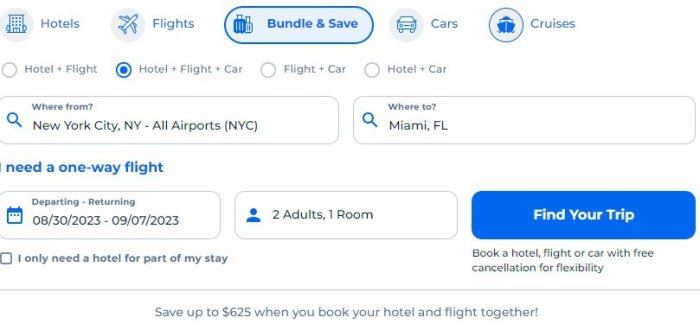
Priceline is a popular online travel agency offering a wide range of accommodation options and deals. Understanding its reservation process can help you find the best value for your trip. This guide will walk you through the steps, explaining different features and comparing it to a competitor.
Types of Accommodations Offered on Priceline
Priceline offers a diverse selection of accommodations to suit various budgets and travel styles. These include hotels, ranging from budget-friendly options to luxury resorts. You’ll also find motels, bed and breakfasts, and vacation rentals, providing flexibility in choosing your preferred type of lodging. The platform often showcases various star ratings and amenities to help you make informed decisions.
Understanding Priceline’s Express Deals
Priceline’s Express Deals present a unique booking experience. You select a location, star rating, and desired amenities, but the specific hotel name is revealed only after booking. The advantage is often significantly lower prices compared to booking a known hotel directly. However, the disadvantage is the lack of knowing the exact hotel beforehand; this might be a concern for those who have preferences for specific hotel brands or amenities. Weigh the potential savings against the uncertainty before opting for an Express Deal.
Using the Priceline Mobile App for Reservations
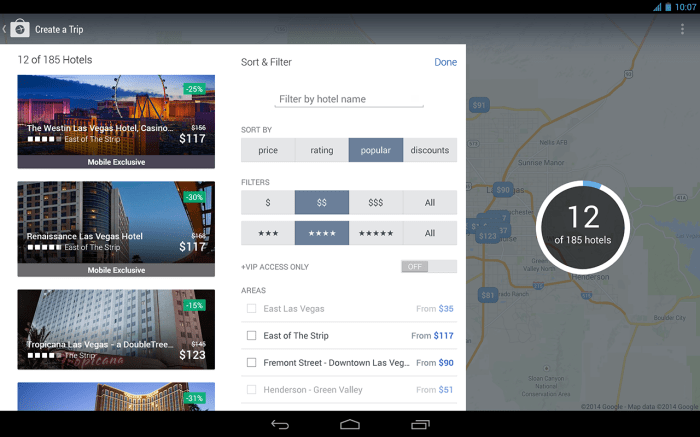
The Priceline mobile app simplifies the booking process. First, download and install the app from your device’s app store. Then, create an account or log in. Next, enter your desired travel dates and destination. Browse available accommodations, filter by price, star rating, and amenities. Once you’ve selected your accommodation, review the details and proceed to checkout, entering your payment information and completing the booking. The app provides real-time updates and allows for easy management of your reservations.
Comparison of Priceline and Expedia Booking Processes
This table compares the booking processes of Priceline and Expedia, highlighting key similarities and differences.
| Feature | Priceline | Expedia | Notes |
|---|---|---|---|
| Search Functionality | Offers Express Deals, Name Your Own Price, and standard hotel searches. | Offers standard hotel searches, package deals, and flight+hotel bundles. | Both offer robust search filters. |
| Price Transparency | Express Deals lack upfront hotel disclosure. | Shows hotel names and prices upfront. | Transparency varies significantly between platforms. |
| User Interface | Generally considered user-friendly, but Express Deals can be confusing for first-time users. | Known for its intuitive and well-organized interface. | Subjective, user experience may vary. |
| Customer Support | Offers various support channels, including phone, email, and online help. | Similar to Priceline, offering multiple support channels. | Both provide adequate customer support. |
Priceline Pricing and Payment Methods
Source: sempreatual.com
Priceline’s pricing model is dynamic, meaning prices fluctuate based on several factors. Understanding these factors and Priceline’s payment and cancellation policies is key to booking a cost-effective trip. This section will break down the intricacies of Priceline’s pricing, payment options, and cancellation policies, helping you navigate the process smoothly and avoid unexpected expenses.
Factors Influencing Priceline Hotel Prices
Several factors contribute to the price you see on Priceline. Demand is a major player; prices tend to be higher during peak travel seasons and popular events. The hotel’s location, amenities (think swimming pools, spas, or on-site restaurants), and overall star rating also influence pricing. The type of room you select (e.g., single, double, suite) will naturally affect the cost. Finally, the length of your stay impacts the overall price; longer stays often result in slightly lower per-night rates. For example, a beachfront hotel in Miami during spring break will likely be much more expensive than the same hotel in the off-season.
Priceline Payment Options
Priceline offers a variety of secure payment methods. These typically include major credit and debit cards (Visa, Mastercard, American Express, Discover), and sometimes PayPal. The specific options available might vary slightly depending on your location and the booking details. It’s generally recommended to use a credit card for added purchase protection. Paying with a credit card also allows you to accumulate rewards points.
Priceline Cancellation Policies and Fees
Priceline’s cancellation policies vary significantly depending on the hotel and the specific rate you book. Some rates are fully refundable, allowing you to cancel without penalty up to a certain point before your arrival. Others are non-refundable, meaning you forfeit the entire cost if you cancel. Always check the cancellation policy *before* confirming your booking; this information is usually clearly stated during the booking process. Late cancellations or no-shows will almost certainly result in fees, often equal to the total cost of your stay.
Potential Hidden Costs Associated with Priceline Reservations
While Priceline displays the base room price upfront, it’s crucial to be aware of potential additional costs. These might include resort fees (common in Las Vegas or other resort destinations), taxes (which vary by location and hotel), and parking fees. Some hotels also charge extra for amenities like Wi-Fi, which might be included at other hotels. Always review the complete pricing breakdown before finalizing your booking to avoid surprises. For instance, a seemingly low price might be significantly increased by substantial resort fees.
Sample Budget for a Priceline Hotel Reservation
Let’s imagine a three-night stay in a mid-range hotel in Chicago.
| Item | Estimated Cost |
|---|---|
| Base Room Rate (Priceline) | $150/night x 3 nights = $450 |
| Taxes (estimated 10%) | $45 |
| Resort Fee (if applicable) | $25/night x 3 nights = $75 |
| Parking (if needed) | $20/night x 3 nights = $60 |
| Total Estimated Cost | $650 |
Remember to always check the final price breakdown before confirming your booking to avoid unexpected expenses.
Customer Reviews and Ratings on Priceline
Source: gta5-mods.com
Priceline, like other online travel agencies, relies heavily on customer reviews to build trust and inform potential users. Understanding the distribution of ratings and the common themes within reviews is crucial for both Priceline and its customers. This section will analyze Priceline’s review system, comparing it to others and examining the typical feedback patterns.
Priceline Star Rating Distribution
Analyzing Priceline’s star rating distribution reveals a general trend. While the exact percentages fluctuate, a significant portion of reviews typically fall within the 3- to 4-star range, indicating a mixed experience for many users. A smaller, but still substantial, percentage falls into the 1- to 2-star range, highlighting areas where Priceline needs improvement. The highest percentage of 5-star ratings often reflects positive experiences with deals and specific hotels. A hypothetical example might show 30% of reviews at 4 stars, 25% at 3 stars, 20% at 5 stars, 15% at 2 stars, and 10% at 1 star. These numbers would vary depending on the time of year and specific hotel data.
Categorization of Customer Reviews
Customer reviews on Priceline are often categorized around several key themes. Cleanliness is a major concern, with reviews frequently mentioning the condition of rooms, bathrooms, and overall hygiene. Location is another critical factor, with users commenting on proximity to attractions, transportation, and safety. Hotel service, including staff friendliness, responsiveness, and efficiency, also features prominently in reviews. Other recurring themes include value for money, accuracy of the online description, and the overall booking process itself. For instance, a review might praise a hotel’s excellent location but criticize its outdated facilities.
The Priceline Review Submission Process
Leaving a review on Priceline is generally straightforward. After completing a stay, users usually receive an email invitation to submit a review. This invitation often includes a link to a dedicated page where users can rate their stay (typically using a star rating system) and provide a written review. The process usually involves selecting a star rating, choosing from pre-selected categories to tag the review (e.g., cleanliness, location), and then writing a detailed description of the experience. Priceline often requires users to verify their stay before publishing the review to prevent fake or misleading feedback.
Comparison with Other Travel Booking Sites
Priceline’s review system shares similarities with other major travel booking sites like Expedia, Booking.com, and TripAdvisor. All platforms utilize star ratings and allow for written reviews, often categorized by theme. However, differences may exist in the prominence given to reviews, the verification process, and the ease of leaving a review. For example, some sites may prioritize verified reviews more prominently, while others may have a more streamlined review submission process. The specific features and emphasis on reviews vary between sites.
Visual Representation of Review Distribution
A bar chart could visually represent the distribution of positive and negative reviews. The horizontal axis would show the star ratings (1 to 5 stars), and the vertical axis would represent the percentage or number of reviews for each rating. The bars representing 4 and 5 stars would be significantly longer than those representing 1 and 2 stars, reflecting a higher proportion of positive feedback. The length of each bar would directly correspond to the percentage of reviews within that specific star rating category, giving a clear picture of the overall customer sentiment.
Priceline’s Customer Service
Source: alamy.com
Navigating the world of travel deals can sometimes be tricky, and when issues arise, having reliable customer support is crucial. Priceline, like any large online travel agency, offers various avenues for customers to seek assistance, but the quality of that assistance can vary. This section explores Priceline’s customer service channels, shares examples of both positive and negative experiences, examines their response times and issue resolution, and compares their service to a competitor.
Priceline Customer Support Channels
Priceline provides several ways to contact customer support, catering to different preferences. Customers can typically reach out via phone, email, and through their website’s help center. The availability and responsiveness of these channels can, however, fluctuate depending on factors like time of day and the complexity of the issue. The website’s help center often provides self-service options, such as FAQs and troubleshooting guides, which can resolve simpler problems quickly.
Positive and Negative Customer Service Experiences
Positive experiences often involve quick resolution of simple issues, such as correcting minor booking errors or providing clarification on booking details. For instance, a customer might have accidentally booked the wrong dates and Priceline’s customer service promptly adjusted the reservation without additional fees. Conversely, negative experiences frequently center around complex issues, such as disputes over cancellations, refunds for unforeseen circumstances, or difficulties with poorly communicated third-party vendor policies. One common complaint involves lengthy hold times on the phone or slow response times to emails, particularly during peak travel seasons. Another frequent negative experience stems from difficulty reaching a live agent, being routed through automated systems that fail to resolve the issue.
Priceline’s Response Time and Resolution of Customer Issues
Priceline’s response time varies greatly. Simple inquiries via the website’s help center might be resolved instantly, while more complex problems requiring phone calls or emails can take several days or even weeks to fully resolve. The resolution of customer issues also depends heavily on the nature of the problem and the specific agent handling the case. Some customers report satisfactory resolutions, while others express frustration with inadequate solutions or a lack of empathy from customer service representatives. For example, a customer might receive a prompt refund for a cancelled flight due to airline issues, while another customer might face prolonged delays in receiving a refund for a hotel cancellation, even if the cancellation was within the hotel’s cancellation policy.
Comparison with a Competitor: Expedia
Compared to Expedia, Priceline’s customer service often receives mixed reviews. While both companies offer multiple contact channels, Expedia’s customer service is frequently praised for its more proactive and helpful approach to resolving complex issues. Many users report shorter wait times and more effective solutions when contacting Expedia compared to Priceline. However, this is a generalization and individual experiences can vary significantly.
Hypothetical Customer Service Interaction
Imagine Sarah booked a flight to Hawaii through Priceline. Upon arrival at the airport, she discovers the flight is overbooked, and she’s been bumped to a later flight, missing her connecting flight. She calls Priceline’s customer service. After a 30-minute wait on hold, she speaks with an agent who expresses empathy and assures her they will work to rebook her on the next available flight and potentially offer compensation for the inconvenience, such as a voucher for a future booking. The agent then diligently works to rebook her flight and follows up via email with confirmation of the new booking and details about the compensation offered. This hypothetical scenario showcases a positive interaction, contrasting with the negative experiences of lengthy hold times and unhelpful agents that some customers report.
Priceline’s User Interface and Experience: Priceline Reservations
Source: googleusercontent.com
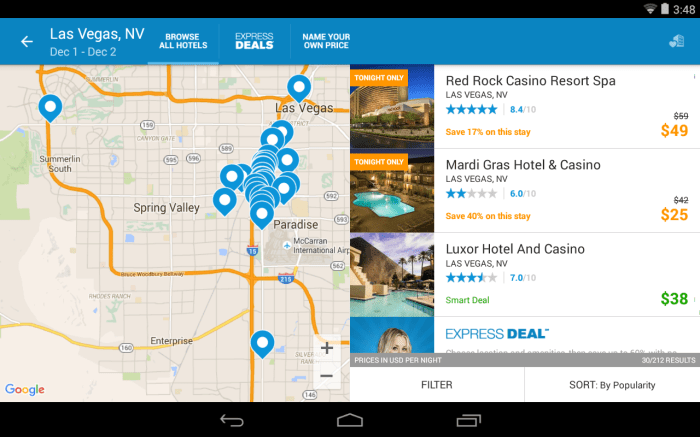
Priceline, like many online travel agencies, aims for a straightforward booking experience. However, the effectiveness of this goal varies depending on the user’s familiarity with the platform and the specific features they’re trying to access. The overall user experience is a blend of intuitive design in some areas and frustrating complexity in others.
Navigating the website and app involves a mix of streamlined processes and potential pitfalls. Finding flights or hotels is generally easy, especially for those comfortable with online booking. However, understanding the nuances of Priceline’s “Express Deals” and other opaque pricing models can be challenging for first-time users. The mobile app, while functional, sometimes lacks the visual clarity and intuitive navigation of competing apps.
Areas for Improvement in Priceline’s User Interface
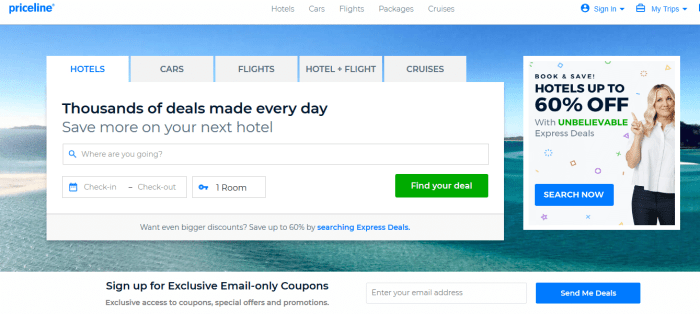
Priceline’s interface could benefit from several improvements to enhance usability. Key areas include simplifying the presentation of “Express Deals” information, providing clearer explanations of fees and taxes upfront, and improving the overall visual design to make it more modern and less cluttered. The search filters could also be more refined and intuitive, allowing for more precise control over search results. Inconsistencies in design elements across different sections of the site and app create a disjointed user experience.
Comparison of Priceline’s User Interface with a Competitor
Compared to Expedia, for instance, Priceline’s interface feels less polished and modern. Expedia often presents information more concisely and visually appealingly. While both platforms offer similar functionalities, Expedia’s interface generally feels more intuitive and user-friendly, especially for complex searches involving multiple destinations or travelers. The visual hierarchy and information architecture of Expedia’s platform tend to be more effective in guiding users through the booking process.
Features Enhancing and Hindering User Experience on Priceline, Priceline reservations
Several features either enhance or detract from the overall user experience. The “Express Deals” feature, while offering potential savings, can be confusing due to the lack of transparency regarding the specific hotel until after booking. This opacity can be a major hindrance for users prioritizing specific amenities or locations. Conversely, the ability to filter search results by price, dates, and other criteria is a significant enhancement, streamlining the search process. The integration of customer reviews and ratings is also helpful in making informed decisions. However, the sometimes overwhelming amount of information presented can be overwhelming and distracting.
Suggestions to Improve the User Experience on Priceline
To improve the overall user experience, Priceline could implement several changes:
- Simplify the presentation of “Express Deals” information, providing clearer visuals and more upfront detail about potential hotels.
- Improve the visual design of the website and app, adopting a more modern and less cluttered aesthetic.
- Enhance the search filters, allowing for more granular control over search results.
- Streamline the booking process, reducing the number of steps required to complete a reservation.
- Improve the mobile app’s navigation and visual clarity.
- Provide more prominent and clear displays of all fees and taxes upfront.
- Implement a more robust help and support system, making it easier for users to find answers to their questions.
Conclusion
Source: nabewise.com
Booking travel should be exciting, not stressful. By understanding Priceline’s reservation process, pricing strategies, and customer service policies, you can confidently navigate the platform and secure great deals on your next getaway. Remember to always read the fine print, compare prices with other sites, and utilize the available resources to make the most informed decision. Happy travels!