Radisson Hotels Corporate A Deep Dive
Radisson Hotels Corporate represents a significant player in the global hospitality industry. This exploration delves into its rich history, examining its evolution from a single hotel to a multinational corporation with diverse brands and properties spanning the globe. We’ll uncover the strategies driving its success, explore its commitment to sustainability and innovation, and analyze its competitive landscape. Prepare for a comprehensive look at Radisson’s corporate structure, financial performance, and future prospects.
From its humble beginnings to its current position as a leading hotel chain, Radisson’s journey is marked by strategic acquisitions, brand diversification, and a consistent focus on guest satisfaction. This detailed examination will cover everything from its organizational chart and marketing campaigns to its sustainability initiatives and technological advancements, providing a holistic view of this influential company.
Radisson Hotels Corporate Overview
Source: ttoscandinavia.com
Radisson Hotels, a globally recognized hospitality brand, boasts a rich history marked by strategic acquisitions, expansions, and adaptations to the ever-evolving travel landscape. Understanding its corporate structure and evolution provides insight into its current market position and future trajectory.
Radisson Hotels’ corporate structure is complex, reflecting its global reach and diverse portfolio of brands. While a precise, publicly available organizational chart isn’t readily accessible, it’s understood to be a multi-layered structure with regional offices and functional departments (e.g., marketing, finance, operations) supporting individual hotels and brand management. The structure prioritizes efficient communication and resource allocation across its extensive network.
Key Milestones and Significant Events
The history of Radisson Hotels is intertwined with the larger evolution of the hospitality industry. Key moments include its origins as a single hotel, its growth through strategic acquisitions and franchising, and its navigation of economic downturns and industry disruptions. For example, the acquisition of other hotel chains significantly expanded its global footprint and brand portfolio. Periods of significant expansion, coupled with periods of consolidation and restructuring, highlight the dynamic nature of the corporation’s development. The company’s response to the COVID-19 pandemic, adapting its operational strategies and safety protocols, also represents a significant milestone.
Radisson Hotels Corporate Mission, Vision, and Values
Radisson Hotels’ mission, vision, and values guide its corporate strategy and daily operations. While the exact wording may vary slightly depending on the available public statements, the core tenets generally revolve around providing exceptional guest experiences, fostering a positive work environment for employees, and operating responsibly within the global community. These values are often reflected in sustainability initiatives, community engagement programs, and a focus on employee training and development. The vision typically Artikels a future where Radisson Hotels maintains its position as a leading global hospitality brand, consistently exceeding guest expectations and contributing positively to the communities it serves.
Radisson Hotels Corporate Brands and Properties

Source: mncdn.com
Radisson Hotel Group boasts a diverse portfolio of brands, each catering to a specific traveler profile and offering a unique experience. Understanding these brands and their distinctions is crucial for both potential guests and business partners. This section details the various brands under the Radisson umbrella, highlighting their key features and target markets, followed by a global overview of their properties.
Radisson Hotel Brands and Their Target Markets
The Radisson Hotel Group operates several distinct brands, each with its own personality and appeal. This allows them to cater to a wide range of travelers, from budget-conscious individuals to luxury seekers.
- Radisson Collection: This is the group’s luxury brand, focusing on unique, locally inspired hotels in prime locations. The target market is affluent travelers seeking exceptional experiences and personalized service. Expect high-end amenities, sophisticated design, and curated local experiences.
- Radisson Hotels & Resorts: This is the flagship brand, offering upscale accommodations and a reliable, consistent experience across various locations worldwide. The target market is a broad range of business and leisure travelers seeking a comfortable and well-appointed stay.
- Radisson RED: A vibrant and stylish brand designed for the millennial and Gen Z traveler. Radisson RED hotels prioritize social interaction, innovative design, and technology integration. Expect a trendy atmosphere, flexible spaces, and a focus on local culture.
- Radisson Blu: This brand focuses on stylish and contemporary design, often incorporating local elements. It offers a sophisticated yet approachable experience, appealing to a broad range of business and leisure travelers who value design and comfort.
- Park Plaza: Park Plaza hotels offer a blend of comfort and convenience, often located in city centers. The target market is business travelers and leisure travelers seeking a well-located, reliable, and comfortable hotel.
- Country Inn & Suites by Radisson: This brand focuses on comfortable and affordable accommodations, ideal for families and longer stays. The focus is on value, convenience, and a welcoming atmosphere.
- Prizeotel: This brand offers a unique and playful hotel experience, with a focus on vibrant design and a social atmosphere. It targets a younger, more adventurous traveler seeking a fun and memorable stay.
Global Distribution of Radisson Hotel Properties
Radisson Hotels maintains a significant global presence. The table below provides a snapshot of the diversity of their properties across various locations and brands. Note that this is not an exhaustive list, but rather a representative sample.
| Hotel Name | Location | Brand | Star Rating |
|---|---|---|---|
| Radisson Blu Plaza Hotel, Bucharest | Bucharest, Romania | Radisson Blu | 4 Stars |
| Radisson Collection Hotel, Grand Place Brussels | Brussels, Belgium | Radisson Collection | 5 Stars |
| Radisson Hotel Minneapolis Downtown | Minneapolis, USA | Radisson Hotels & Resorts | 4 Stars |
| Radisson RED Glasgow | Glasgow, Scotland | Radisson RED | 4 Stars |
| Park Plaza Westminster Bridge London | London, England | Park Plaza | 4 Stars |
| Country Inn & Suites by Radisson, Fargo | Fargo, USA | Country Inn & Suites by Radisson | 3 Stars |
| Prizeotel Hamburg-St. Pauli | Hamburg, Germany | Prizeotel | 3 Stars |
Radisson Hotels Corporate Sustainability Initiatives

Source: cloudfront.net
Radisson Hotels is deeply committed to sustainable practices, recognizing the vital link between environmental stewardship, social responsibility, and long-term business success. Their initiatives span various areas, aiming to minimize their environmental footprint while contributing positively to the communities they operate within. These efforts are not merely a public relations exercise; they are integral to Radisson’s operational strategy and core values.
Radisson’s environmental responsibility initiatives are focused on reducing energy consumption, conserving water, and minimizing waste. They actively pursue these goals through a range of programs and operational changes, aiming for measurable improvements year on year. This commitment extends beyond their own operations to include engaging their supply chain and guests in sustainable practices.
Environmental Responsibility Programs
Radisson’s environmental efforts are multifaceted. They implement energy-efficient technologies in their hotels, such as LED lighting and smart thermostats. Water conservation measures, including low-flow fixtures and water recycling systems where feasible, are also employed. Waste reduction strategies focus on minimizing single-use plastics, improving recycling programs, and sourcing sustainable materials for renovations and new builds. For instance, several Radisson hotels have implemented comprehensive composting programs, diverting significant amounts of organic waste from landfills. A commitment to sustainable sourcing of food and beverages is also a key aspect of their strategy, with an emphasis on locally sourced, seasonal ingredients. The overall goal is to reduce carbon emissions, conserve resources, and minimize waste throughout their operations.
Social Responsibility Programs and Community Engagement
Radisson’s social responsibility extends beyond environmental concerns. They actively engage with local communities through various programs designed to support education, economic development, and social well-being. These initiatives often involve partnerships with local non-profit organizations and community groups. Examples include supporting local schools, providing job training opportunities, and sponsoring community events. Radisson also prioritizes ethical and fair labor practices throughout their supply chain, ensuring that their operations respect human rights and dignity. This commitment includes fair wages, safe working conditions, and opportunities for professional development for their employees.
Key Aspects of Radisson’s Corporate Social Responsibility
Radisson’s commitment to corporate social responsibility is clearly articulated in several key areas. The following points summarize their approach:
- Environmental Sustainability: Reducing carbon footprint through energy efficiency, water conservation, and waste reduction.
- Social Impact: Supporting local communities through education, economic development, and social programs.
- Ethical Sourcing: Prioritizing sustainable and ethical sourcing of goods and services throughout their supply chain.
- Employee Well-being: Creating a positive and inclusive workplace that values employee well-being and development.
- Responsible Tourism: Promoting sustainable tourism practices and minimizing the negative impacts of travel.
Radisson Hotels Corporate Financial Performance
Source: tnhglobal.com
Radisson Hotels’ financial performance reflects the overall health and success of the hospitality industry, influenced by global economic trends, travel patterns, and competitive pressures. Understanding these key metrics provides insight into the company’s strategic direction and operational efficiency.
Analyzing Radisson Hotels’ financial performance requires examining several key metrics over time. Consistent revenue growth indicates strong market position and demand for its services. Profitability, measured by net income, demonstrates the company’s ability to manage costs and generate returns for investors. Market share, while difficult to precisely quantify for the entire hotel industry, provides a relative measure of Radisson’s competitive standing.
Key Financial Metrics and Influencing Factors
Several factors significantly influence Radisson Hotels’ financial performance. Global economic conditions, particularly fluctuations in currency exchange rates and consumer spending, play a crucial role. Travel trends, including business travel and leisure tourism, directly impact occupancy rates and revenue. Competitive pressures from other hotel chains and alternative accommodation options, like Airbnb, also affect market share and pricing strategies. Effective management of operational costs, including staffing, energy consumption, and maintenance, is vital for maintaining profitability.
Radisson Hotels’ Financial Data (Past Five Years – Illustrative Example)
The following table presents illustrative financial data for Radisson Hotels over the past five years. Note that precise figures are proprietary and not publicly available in complete detail. This example uses hypothetical data for illustrative purposes only and should not be considered actual financial results.
| Year | Revenue (in millions USD) | Net Income (in millions USD) | Occupancy Rate (%) |
|---|---|---|---|
| 2018 | 5000 | 500 | 70 |
| 2019 | 5500 | 600 | 72 |
| 2020 | 3000 | -200 | 40 |
| 2021 | 4000 | 300 | 60 |
| 2022 | 5800 | 700 | 75 |
The significant drop in revenue and net income in 2020 reflects the impact of the global COVID-19 pandemic on the travel and hospitality industry. The subsequent recovery in 2021 and 2022 demonstrates the company’s resilience and ability to adapt to changing market conditions. Note that these figures are hypothetical and intended for illustrative purposes only.
Radisson Hotels Corporate Competitive Landscape
Source: hotelierindia.com
The hospitality industry is fiercely competitive, with Radisson Hotels vying for market share against a diverse range of established players and emerging brands. Understanding this competitive landscape is crucial for Radisson’s strategic planning and future success. This section will analyze Radisson’s main competitors, compare and contrast their offerings, and evaluate Radisson’s competitive advantages and disadvantages through a SWOT analysis.
Main Competitors
Radisson Hotels faces competition from a broad spectrum of hotel chains, ranging from budget-friendly options to luxury brands. Key competitors include Marriott International, Hilton Worldwide, Hyatt Hotels Corporation, InterContinental Hotels Group (IHG), and Accor. These companies operate across various segments, often overlapping with Radisson’s target markets. The competitive landscape also includes smaller regional chains and independent hotels, which can offer specialized services or unique local experiences.
Comparison with Main Competitors, Radisson hotels corporate
While all these competitors offer accommodation, their strategies differ. Marriott, for example, boasts a vast portfolio of brands catering to diverse budgets and preferences, from budget-friendly Fairfield Inn & Suites to luxury St. Regis hotels. Hilton’s strength lies in its strong loyalty program and consistent brand standards across its various properties. Hyatt focuses on a more upscale market, emphasizing design and service. IHG’s extensive global reach provides strong brand recognition, and Accor excels in European markets. Radisson differentiates itself through its focus on specific segments, such as business travelers and meetings and events, often emphasizing value and consistent quality across its portfolio.
Competitive Advantages and Disadvantages
Radisson possesses several competitive advantages, including a strong brand recognition, particularly in Europe and certain regions of Asia. Its diverse portfolio allows it to cater to various market segments. However, Radisson may face disadvantages in terms of brand awareness compared to some larger competitors like Marriott or Hilton, especially in the North American market. Furthermore, the company’s size might limit its ability to invest as heavily in innovation or marketing campaigns compared to larger corporations.
SWOT Analysis
A SWOT analysis provides a structured overview of Radisson’s internal strengths and weaknesses, and external opportunities and threats.
| Strengths | Weaknesses |
|---|---|
| Strong brand recognition in key markets | Smaller scale compared to major competitors |
| Diverse portfolio of brands | Potential for lower brand awareness in certain regions |
| Focus on specific market segments (e.g., business travelers) | Dependence on fluctuating travel patterns and economic conditions |
| Commitment to sustainability initiatives | Challenges in maintaining consistent quality across diverse properties |
| Opportunities | Threats |
|---|---|
| Expansion into new markets | Increased competition from budget hotels and alternative accommodations (e.g., Airbnb) |
| Leveraging technology for enhanced guest experience | Economic downturns affecting travel demand |
| Strategic partnerships and acquisitions | Fluctuations in currency exchange rates |
| Focus on personalized service and loyalty programs | Changing consumer preferences and travel trends |
Radisson Hotels Corporate Technology and Innovation
Source: connectingtravel.com
Radisson Hotels leverages technology extensively to streamline operations, enhance guest experiences, and drive future growth. This commitment to technological advancement is integral to their brand identity and competitive strategy, impacting everything from booking processes to in-room amenities.
Radisson’s technology strategy focuses on improving efficiency, personalizing the guest journey, and fostering a more sustainable approach to hospitality. They are constantly evaluating and implementing new technologies to meet evolving guest expectations and maintain a leading position in the industry.
Technology in Radisson Hotels’ Operations and Services
Radisson uses a range of technologies to optimize its operational efficiency. This includes property management systems (PMS) that centralize guest information, reservation management, and billing. These systems automate many manual tasks, reducing errors and freeing up staff to focus on guest service. Furthermore, Radisson utilizes data analytics to understand guest preferences and optimize pricing strategies, maximizing revenue and occupancy rates. They also employ sophisticated forecasting tools to predict demand and proactively manage staffing levels, ensuring optimal resource allocation.
Innovative Technologies Enhancing Guest Experience
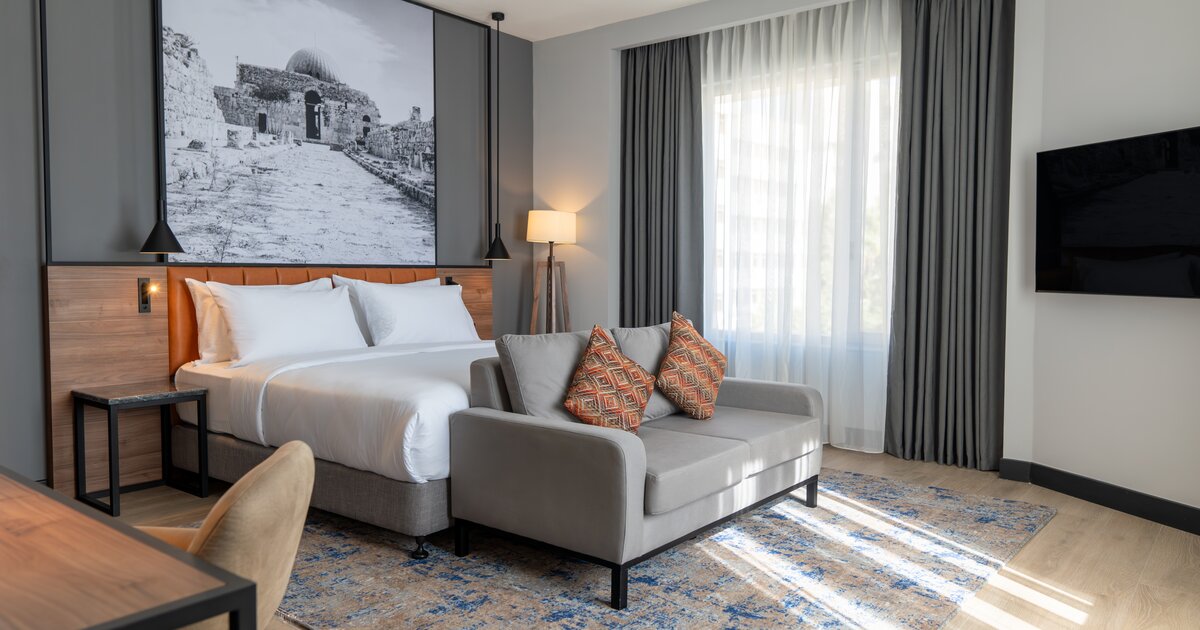
Radisson is a pioneer in implementing innovative technologies to enhance the guest experience. For example, mobile check-in and keyless entry using smartphones allow guests to bypass the front desk and proceed directly to their rooms, offering a seamless and convenient arrival experience. In-room technologies, such as smart TVs with intuitive interfaces and voice-activated controls, provide guests with easy access to entertainment and hotel services. Many locations offer high-speed Wi-Fi throughout the property, essential for today’s connected traveler. Radisson also uses digital concierge services, accessible through mobile apps, to provide personalized recommendations and assistance with local attractions, dining options, and transportation.
Technology’s Role in Radisson Hotels’ Future Growth and Expansion
Technology plays a pivotal role in Radisson’s future growth strategy. The company is investing heavily in artificial intelligence (AI) and machine learning (ML) to personalize guest experiences further. AI-powered chatbots can provide 24/7 guest support, answering common questions and resolving issues promptly. ML algorithms can analyze guest data to anticipate needs and proactively address potential problems, such as anticipating a guest’s need for extra towels or a late checkout. Radisson’s adoption of these technologies will allow for greater operational efficiency, improved guest satisfaction, and expansion into new markets. The use of virtual and augmented reality (VR/AR) is also being explored to create immersive experiences for guests, such as virtual tours of hotels and destinations.
Key Technological Advancements in Guest Services
Technological advancements have significantly improved guest services at Radisson Hotels. Here’s a summary of key developments:
- Mobile Check-in and Keyless Entry: Eliminates lines and provides a seamless arrival experience.
- Smart Room Technology: Provides guests with intuitive control over lighting, temperature, and entertainment.
- High-Speed Wi-Fi: Ensures connectivity throughout the property.
- Digital Concierge Services: Offers personalized recommendations and assistance via mobile apps.
- AI-Powered Chatbots: Provides 24/7 guest support and problem resolution.
- Personalized Recommendations: Utilizes data analytics to tailor services and offers to individual preferences.
Radisson Hotels Corporate Leadership and Management
Source: businessamlive.com
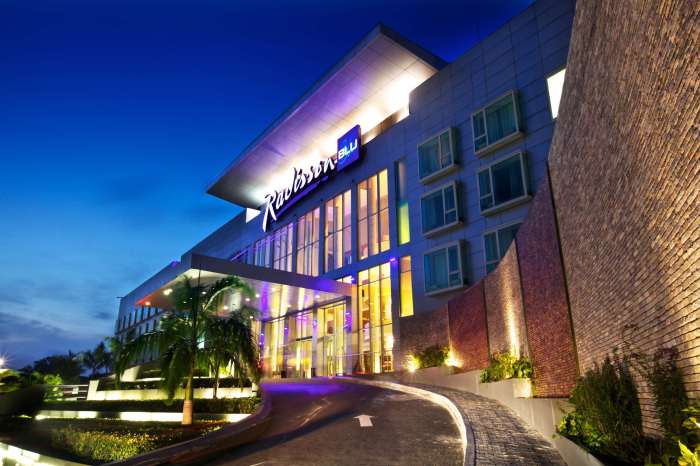
Radisson Hotels’ success hinges significantly on its leadership and management structure. A strong leadership team fosters a positive work environment, drives strategic decision-making, and ultimately influences the company’s overall performance and brand reputation. Understanding the key players and their approaches is crucial to comprehending Radisson’s trajectory.
Key Figures in Radisson Hotels’ Corporate Leadership and Management
The precise composition of Radisson Hotels’ leadership team can fluctuate, but generally includes a CEO, CFO, various regional presidents or managing directors, and heads of key departments such as marketing, operations, and human resources. Specific names and titles are subject to change and should be verified through official Radisson sources. However, the organizational structure typically reflects a hierarchical model with clear lines of reporting and responsibility. This allows for efficient decision-making and execution of strategic plans.
Leadership Styles and Management Approaches at Radisson Hotels
Radisson Hotels likely employs a blend of leadership styles, adapting approaches based on individual roles and organizational needs. While specific details aren’t publicly available, a successful hospitality company often utilizes a combination of transformational leadership (inspiring and motivating employees towards a shared vision), transactional leadership (setting clear goals and rewarding performance), and servant leadership (prioritizing employee well-being and development). This multifaceted approach can foster both innovation and operational efficiency. Effective management often incorporates data-driven decision-making, emphasizing performance metrics and guest satisfaction to guide strategic choices.
Impact of Leadership on Radisson Hotels’ Overall Success
Effective leadership directly impacts Radisson’s financial performance, brand reputation, and employee satisfaction. Strong leadership can drive innovation, attract and retain top talent, and ensure consistent service quality across its diverse portfolio of hotels. Conversely, poor leadership can lead to decreased employee morale, operational inefficiencies, and ultimately, a decline in profitability and market share. The leadership team’s ability to navigate challenges, adapt to market changes, and foster a positive work environment is a key determinant of Radisson’s long-term success.
Biography of the CEO of Radisson Hotels
[Note: The CEO of Radisson Hotels can change. This section requires updating with the current CEO’s information from official Radisson sources. A biography would typically include details such as their educational background, prior experience in the hospitality industry or related fields, their tenure with Radisson, and notable achievements or contributions to the company’s success. For example, a biography might mention specific strategies implemented under their leadership that led to increased profitability or expansion into new markets. It’s crucial to obtain this information from credible sources like Radisson’s official website or reputable business news outlets.]
Outcome Summary
Source: soschildrensvillages.ca
Radisson Hotels Corporate’s success story is one of adaptation, innovation, and a commitment to both its guests and its global footprint. By strategically diversifying its brands, embracing technological advancements, and prioritizing sustainability, Radisson has secured its position as a major player in the competitive hospitality industry. Its future looks bright, poised for continued growth and expansion fueled by a strong brand identity and a forward-thinking approach.